Finding Atlanta’s historic 19th century photography studios
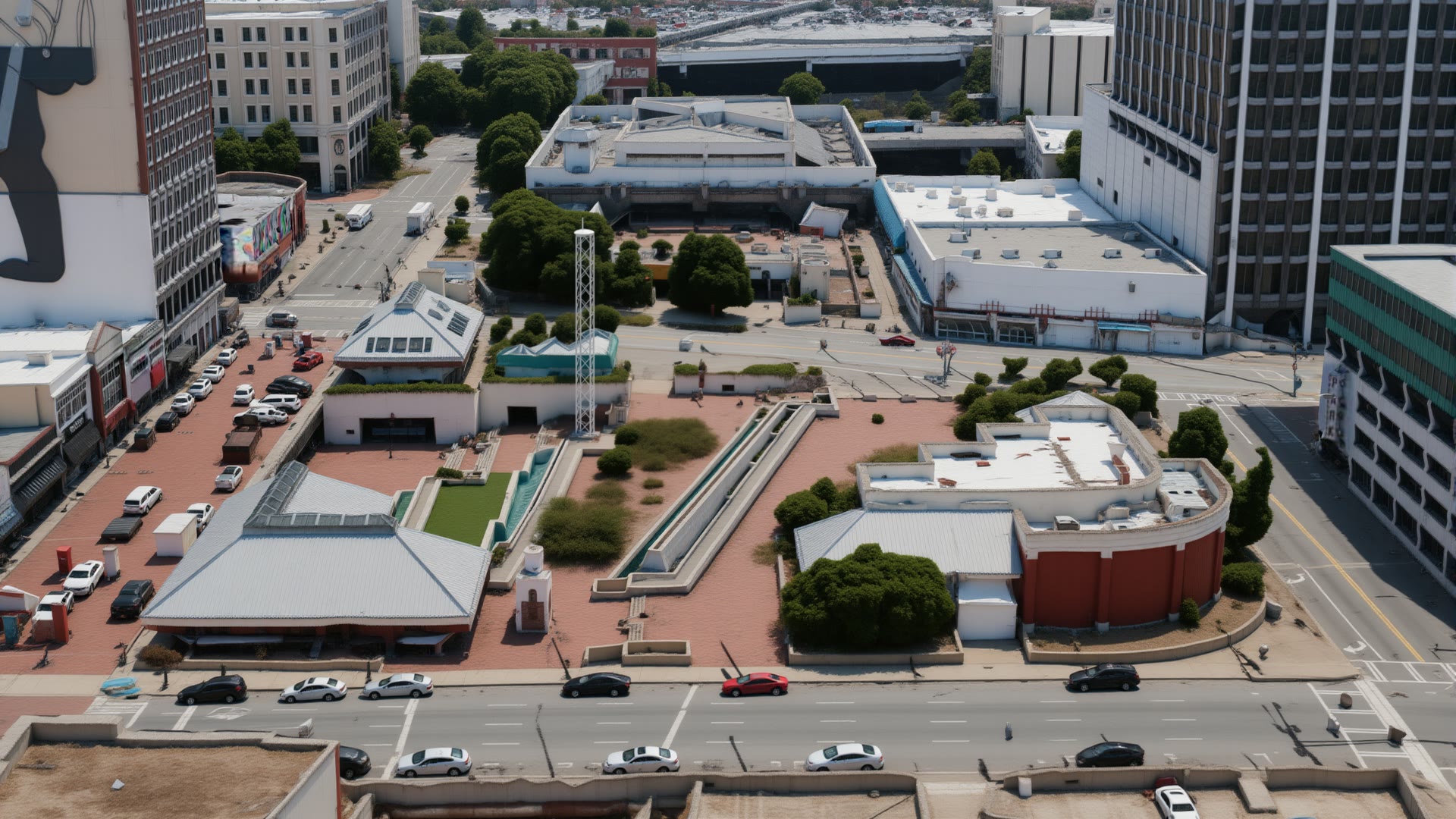
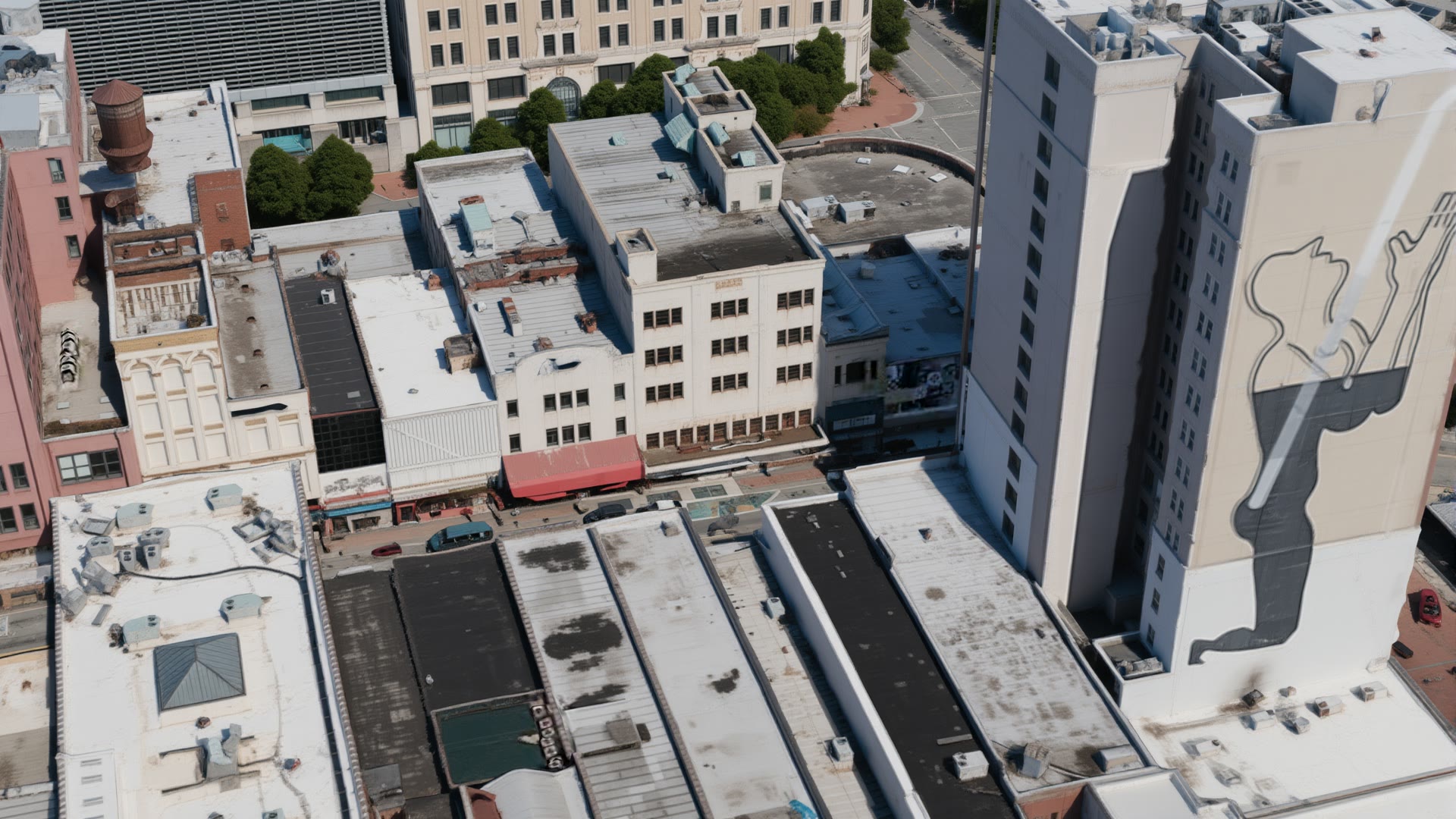
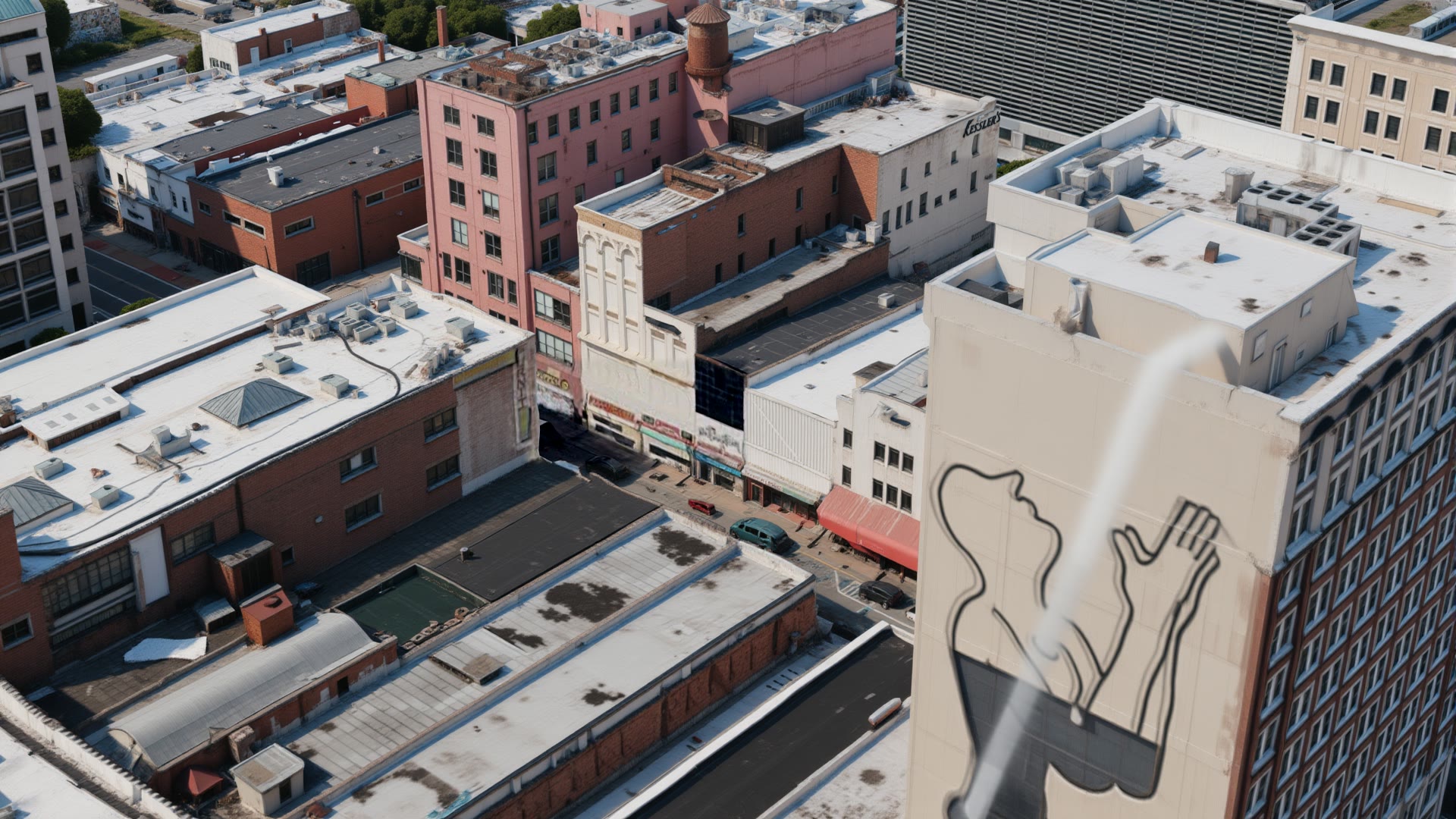
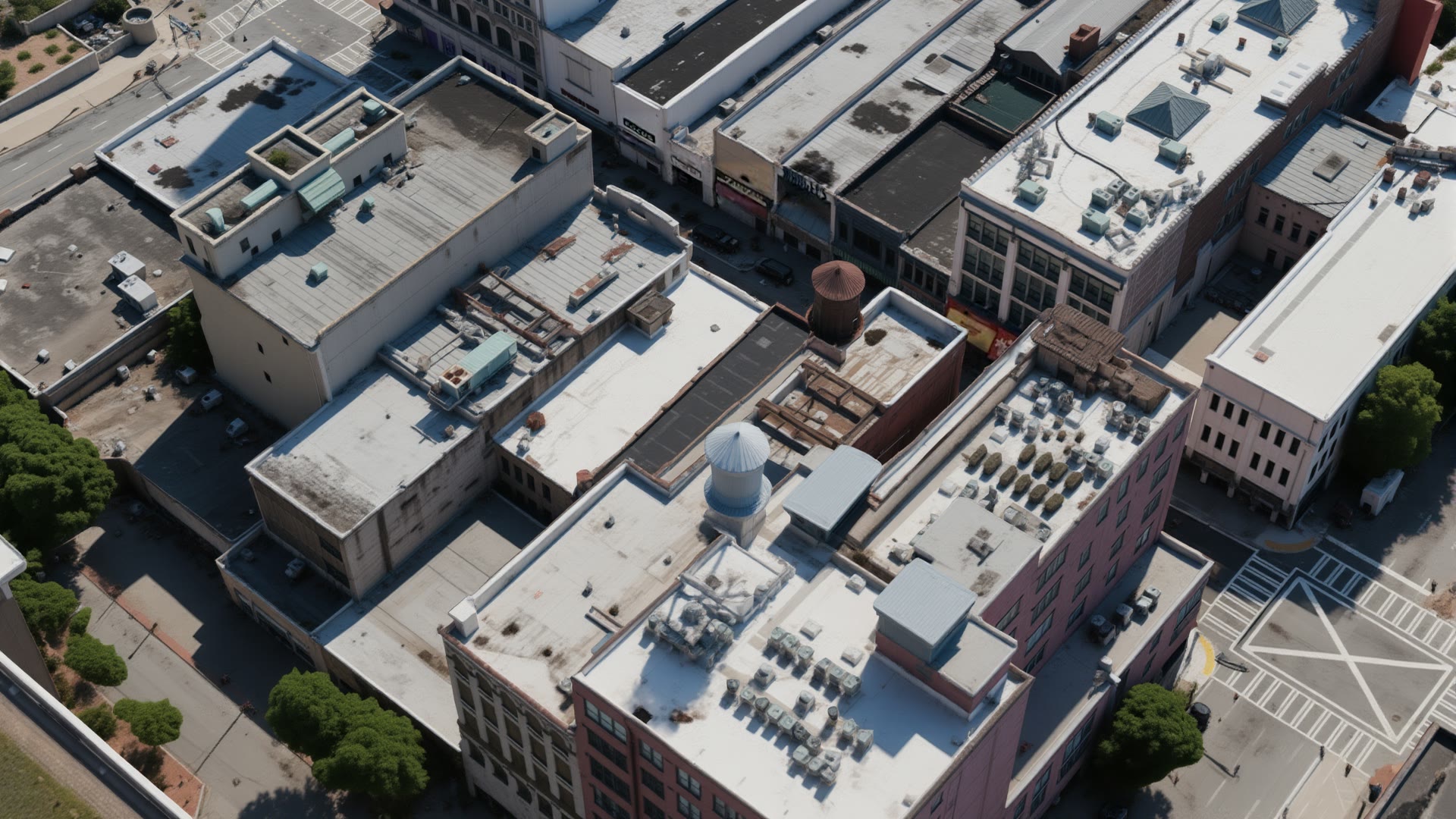
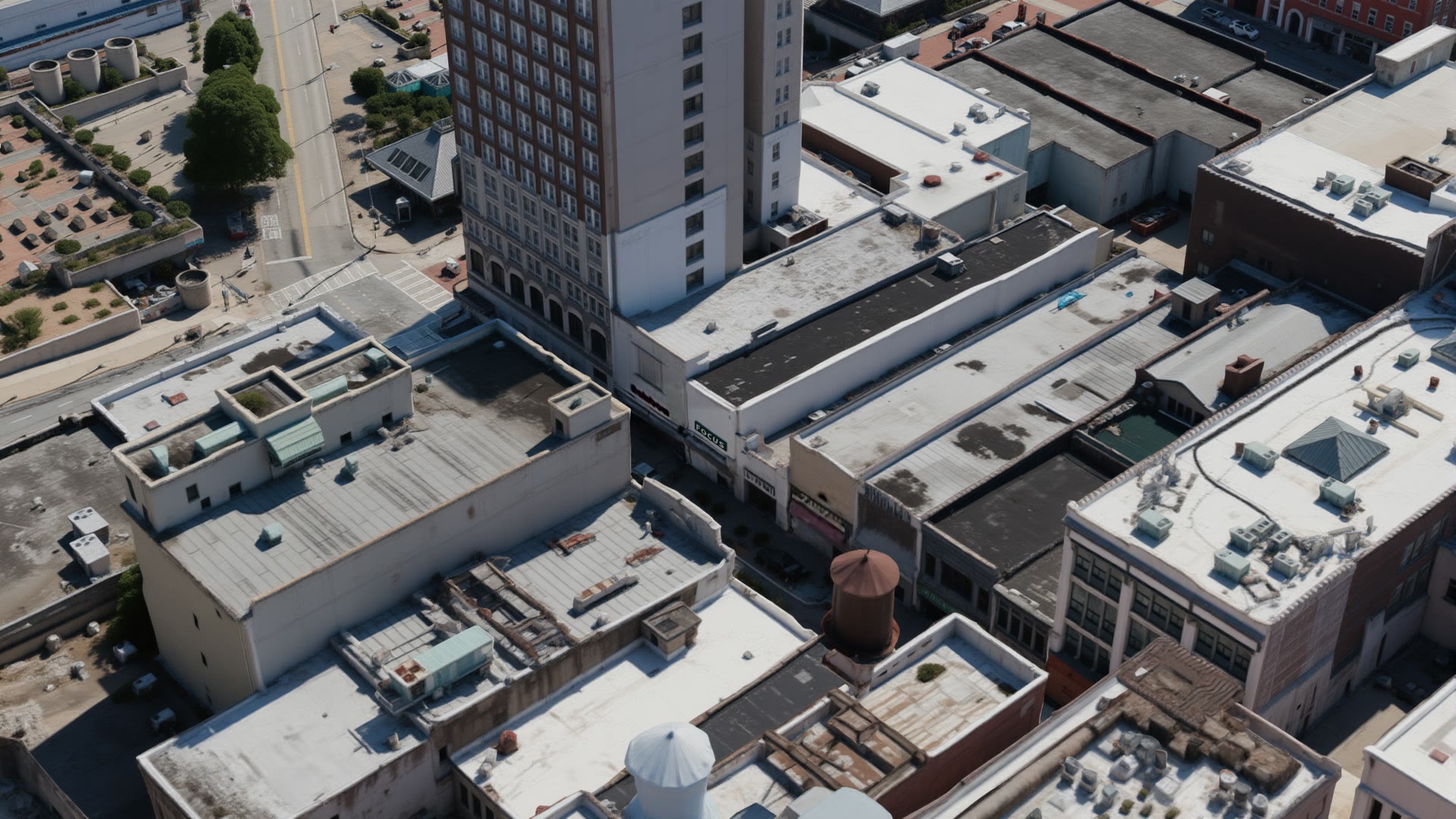
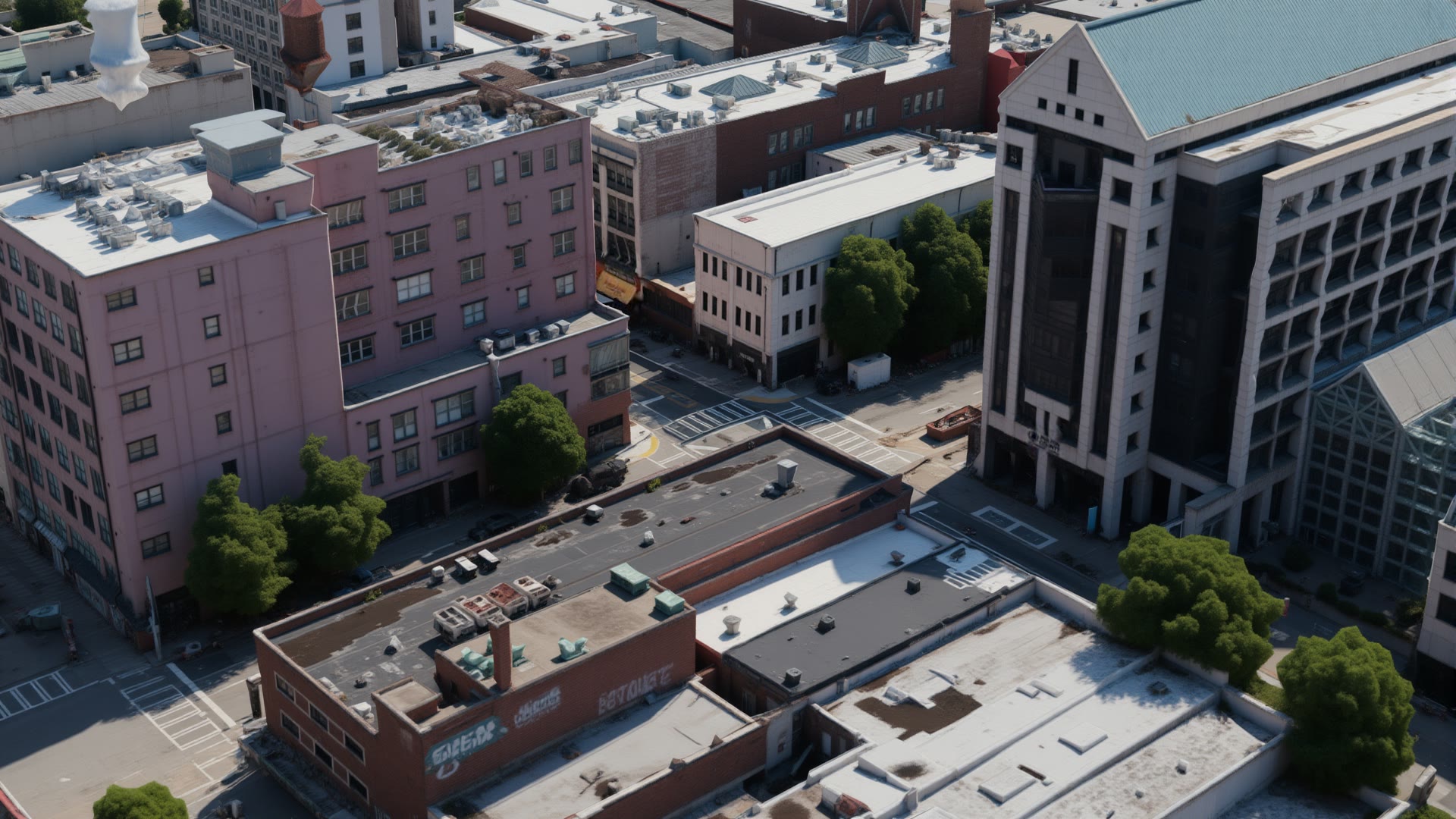
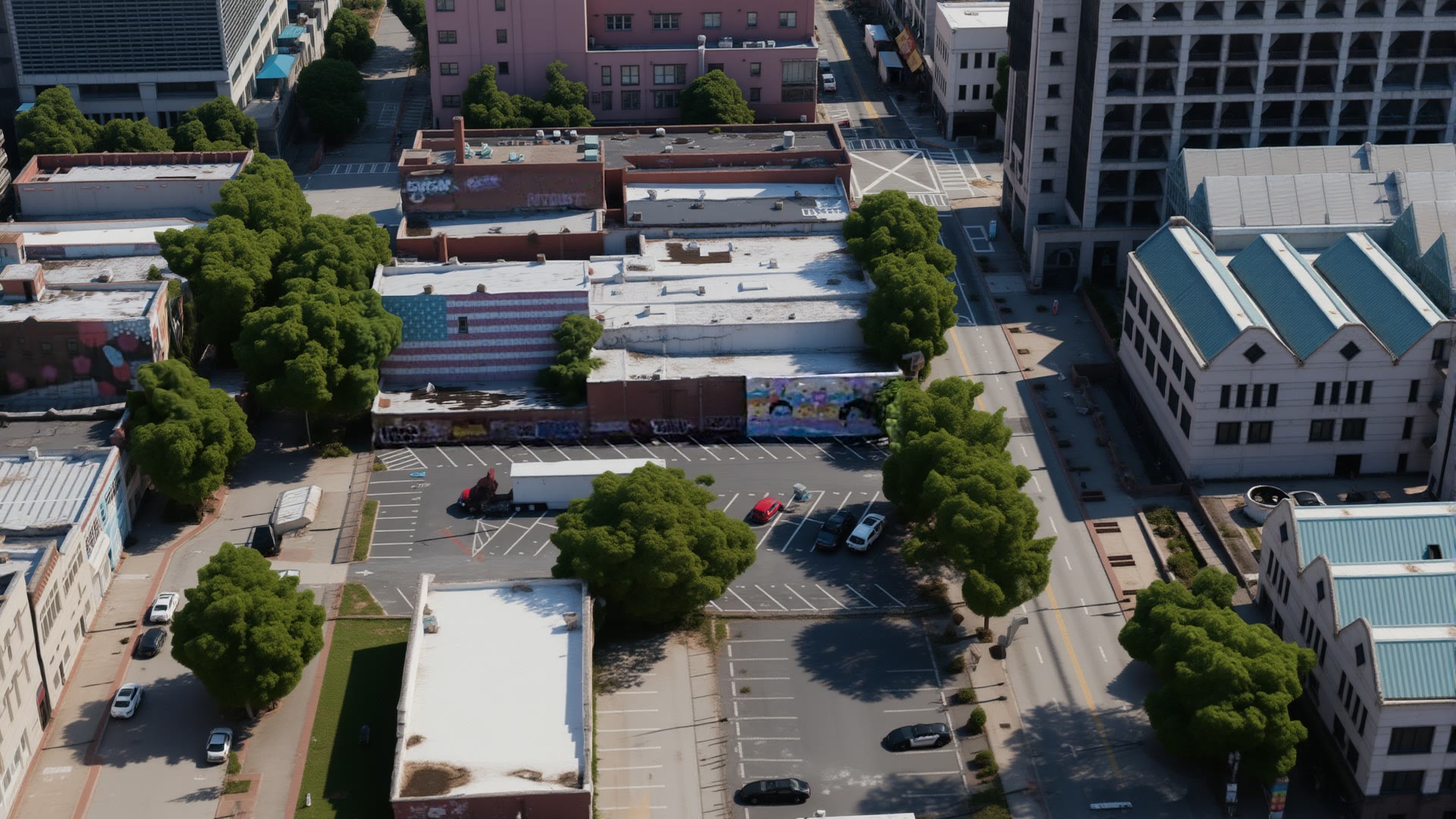
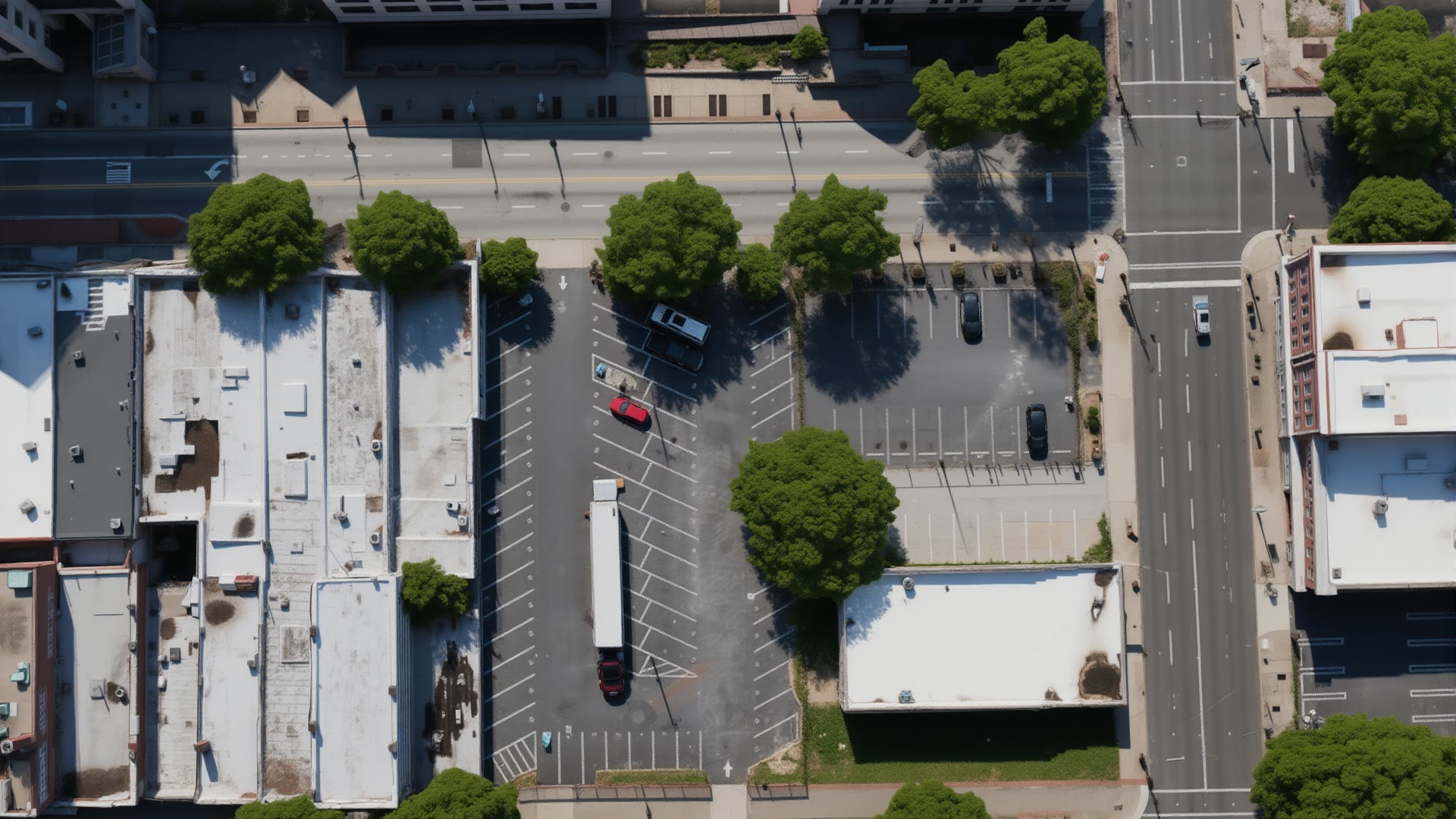
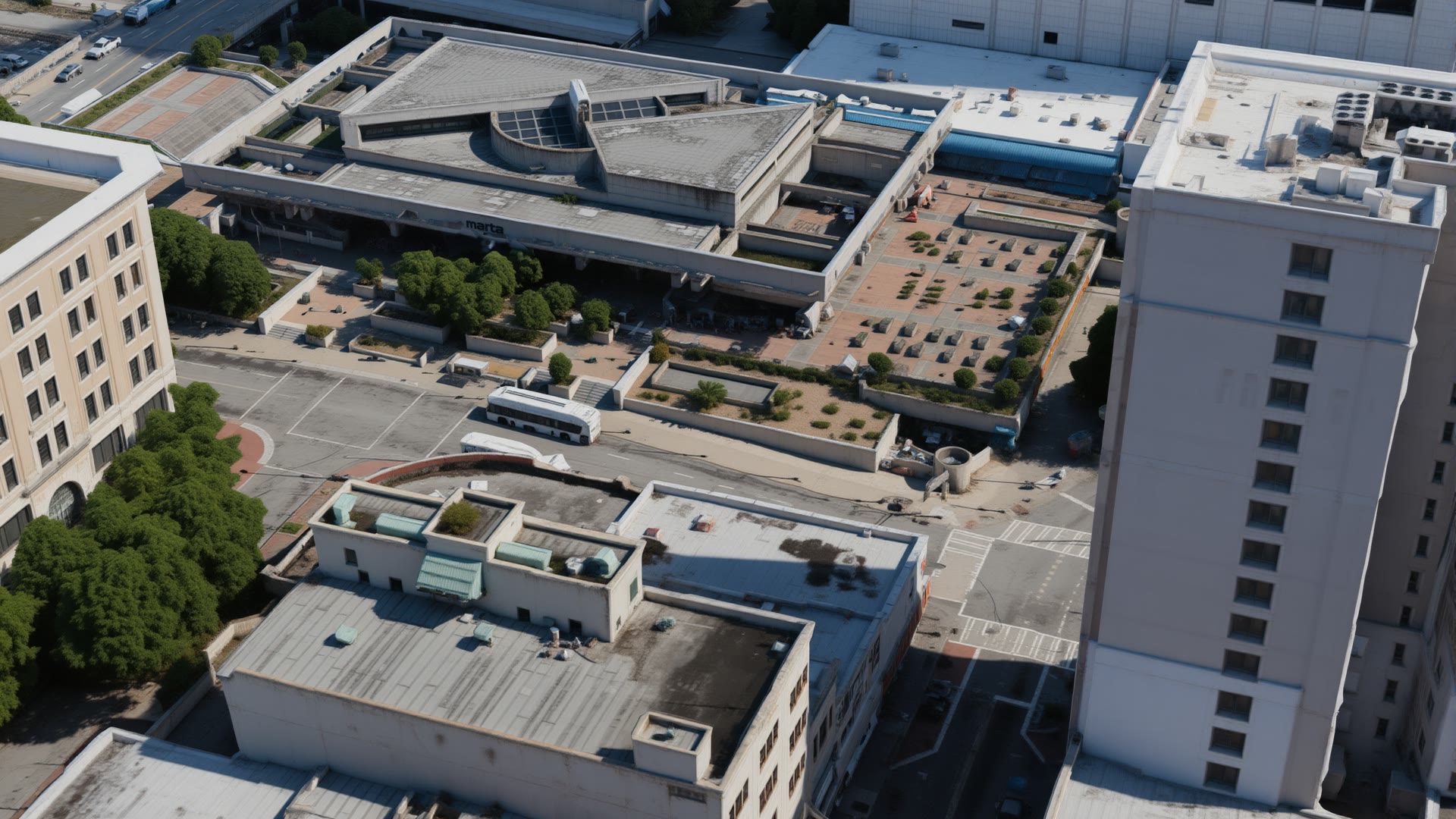
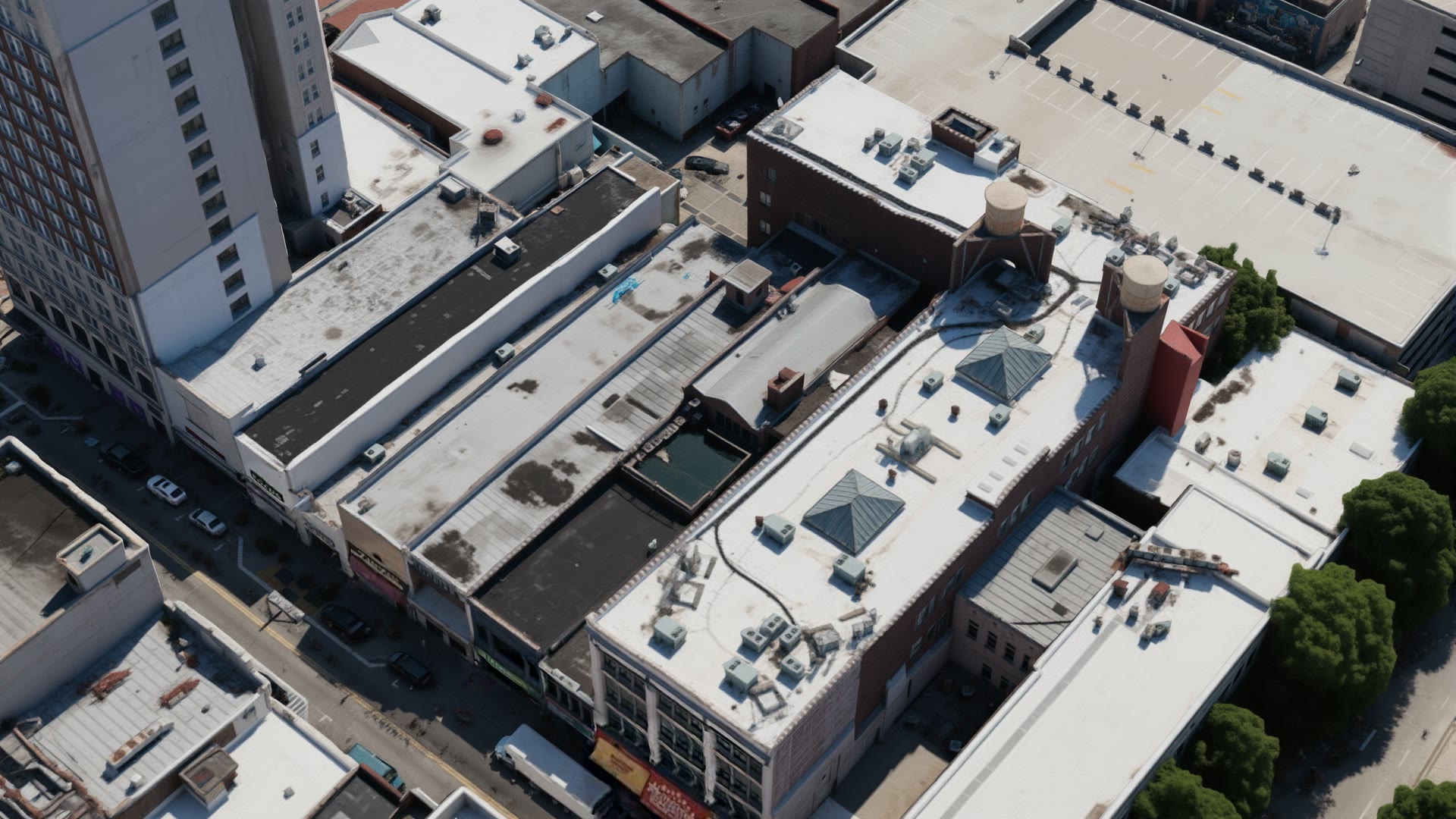
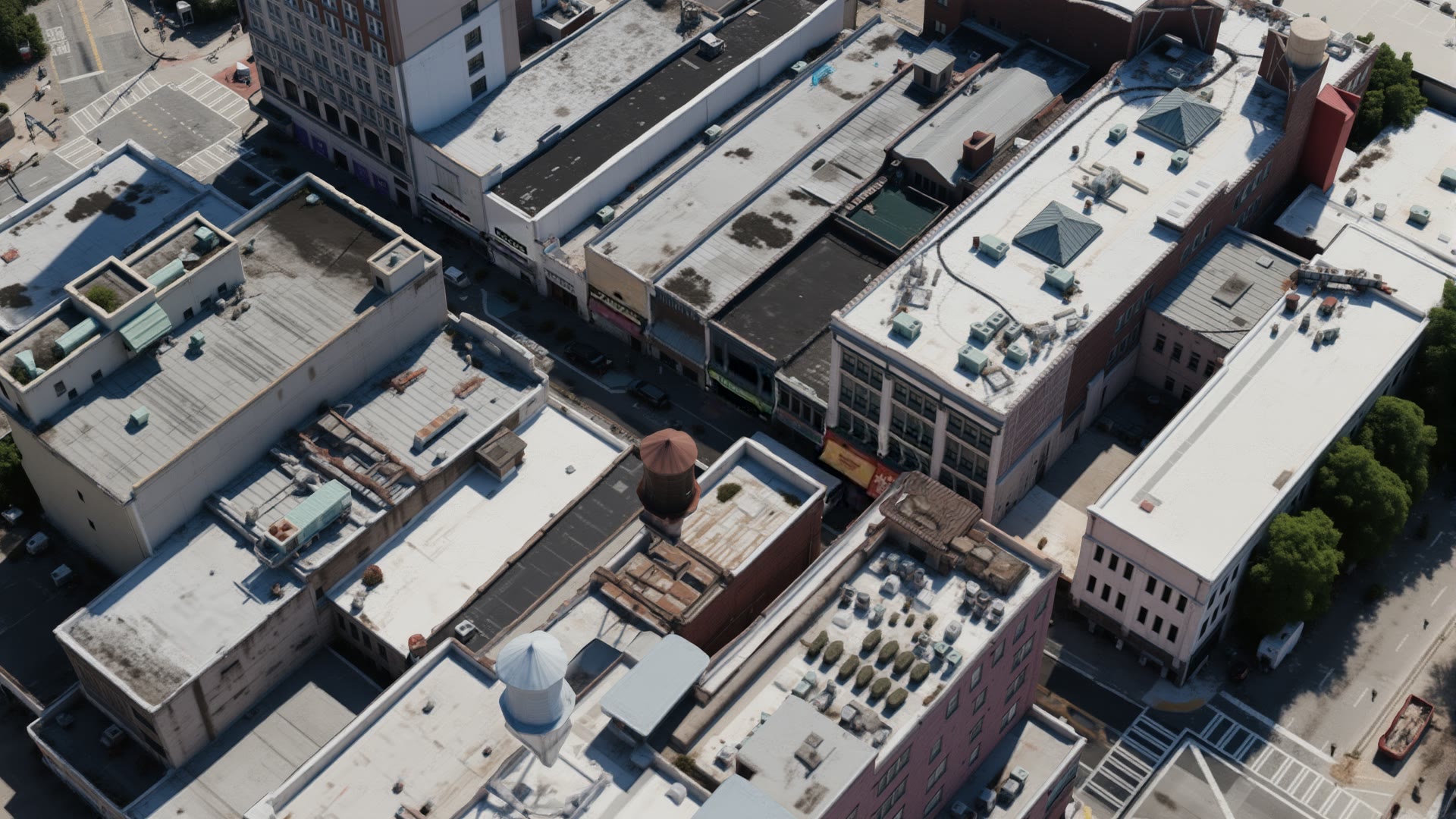
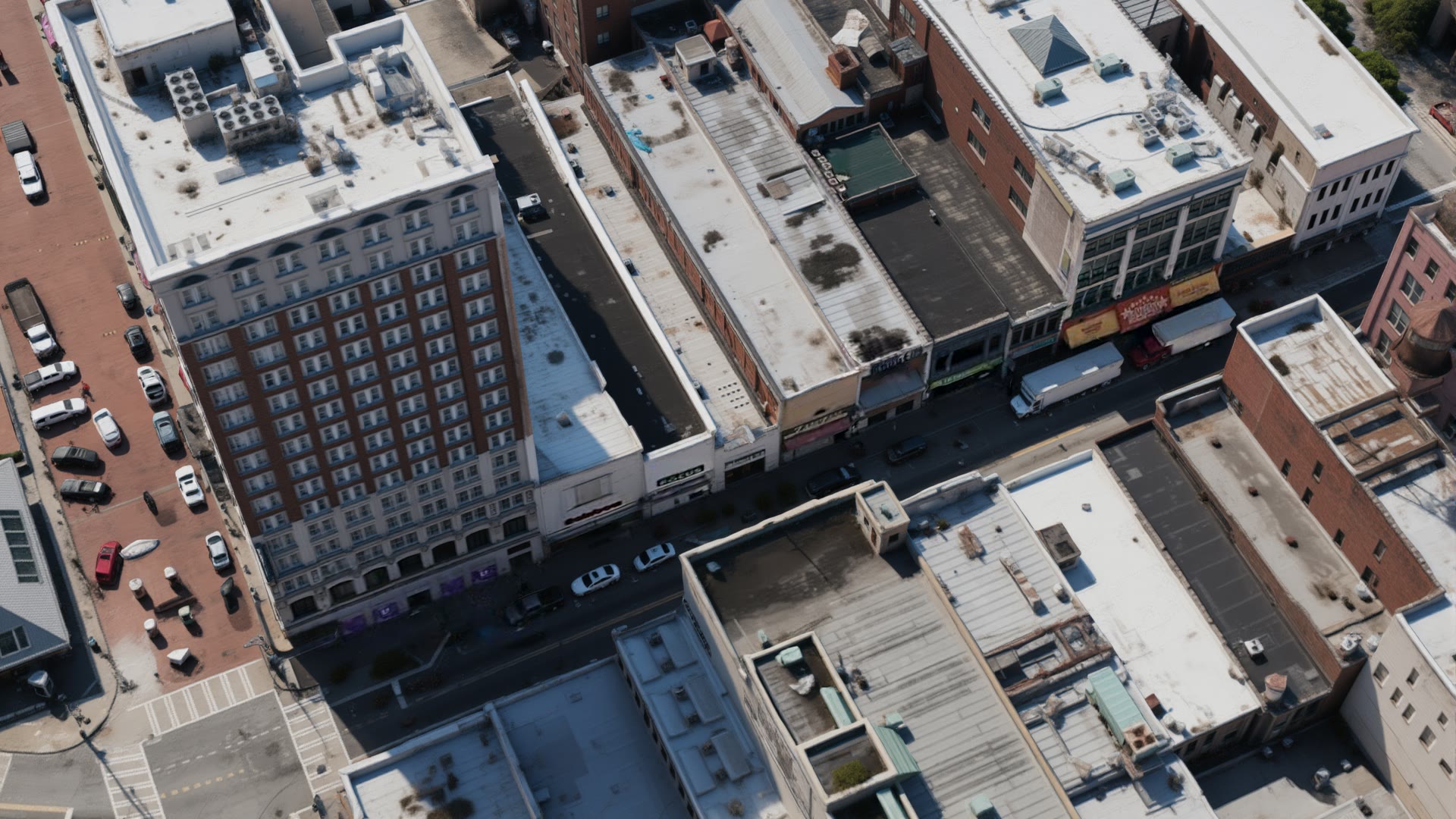
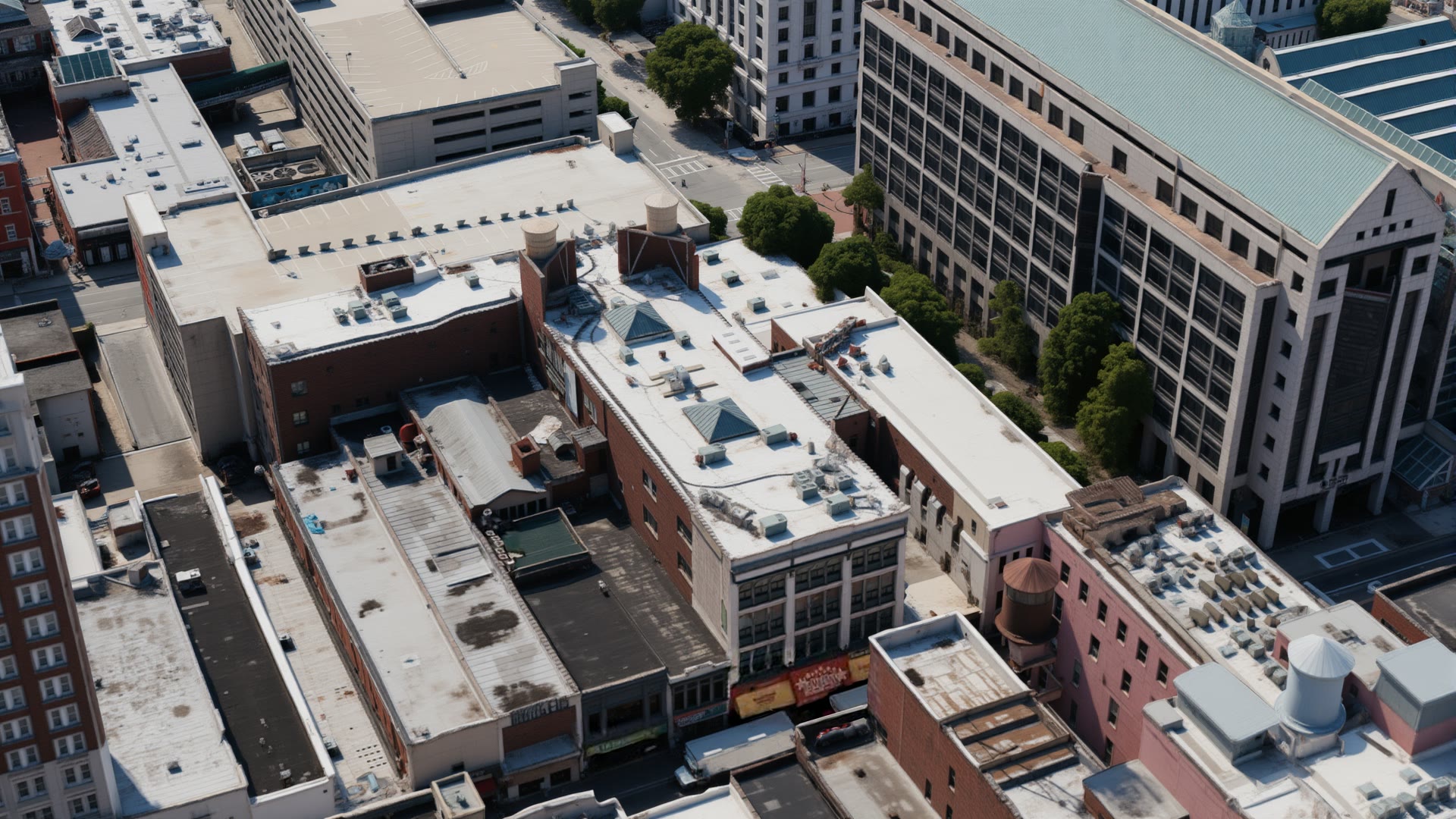
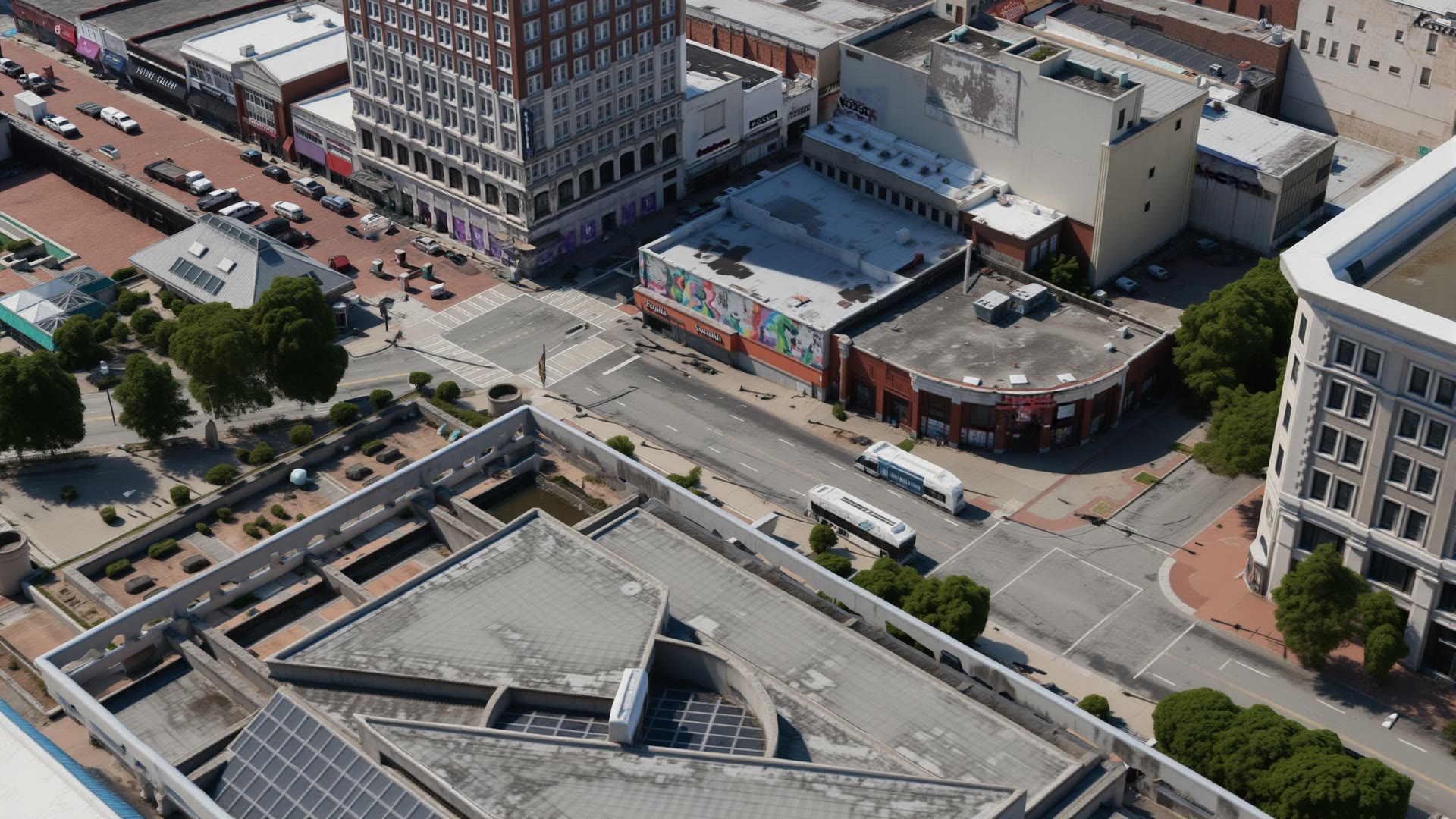
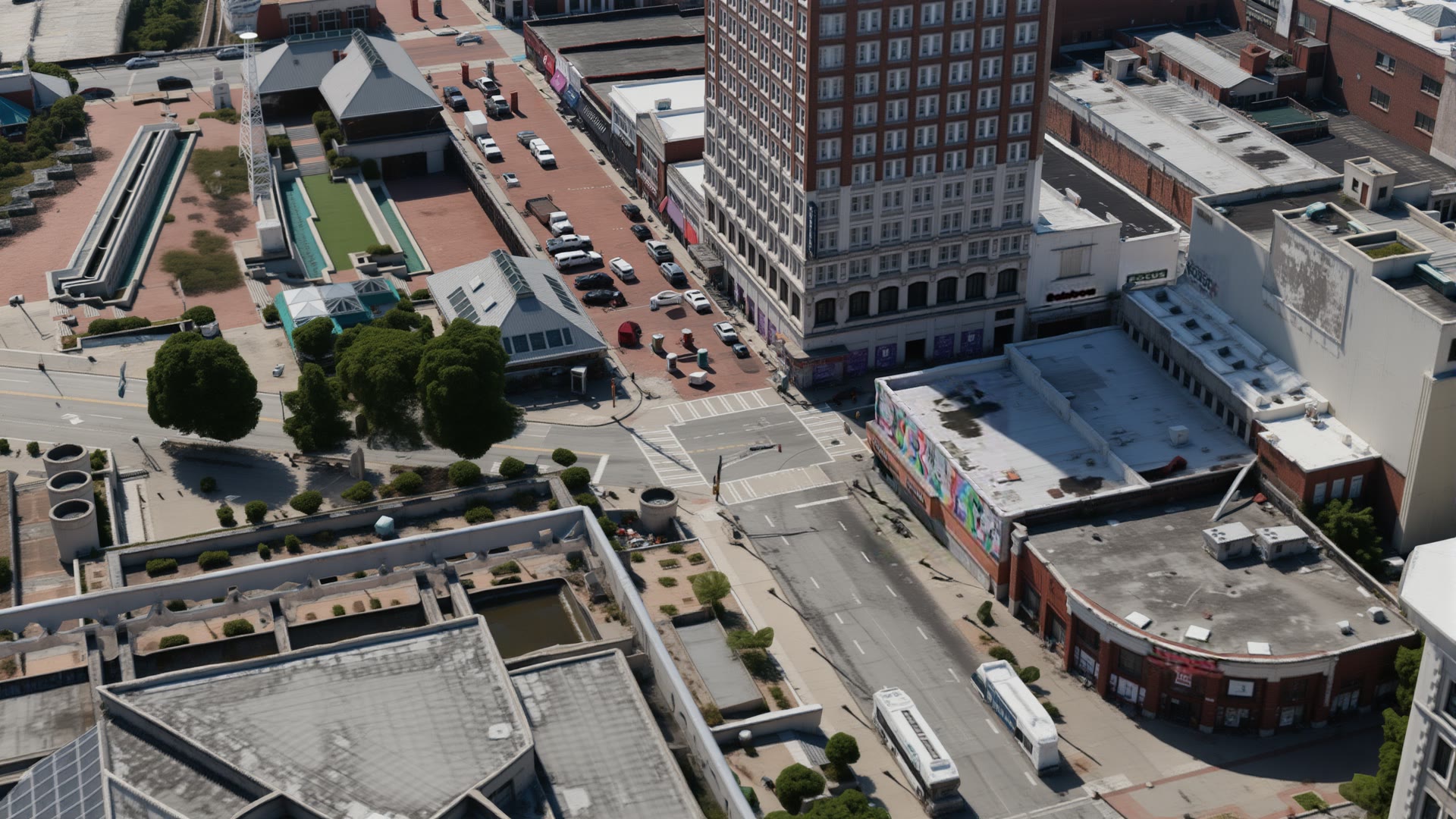
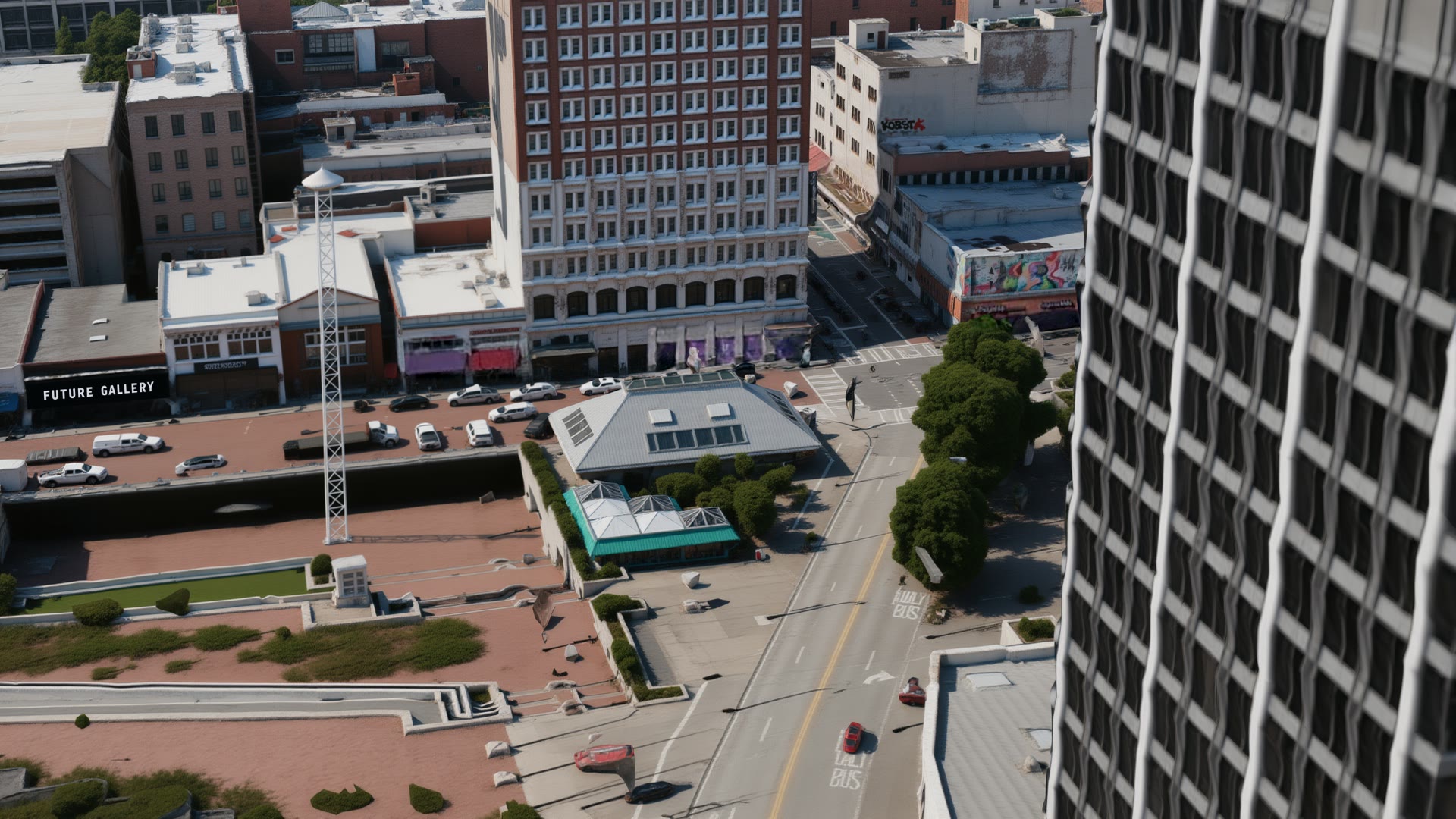
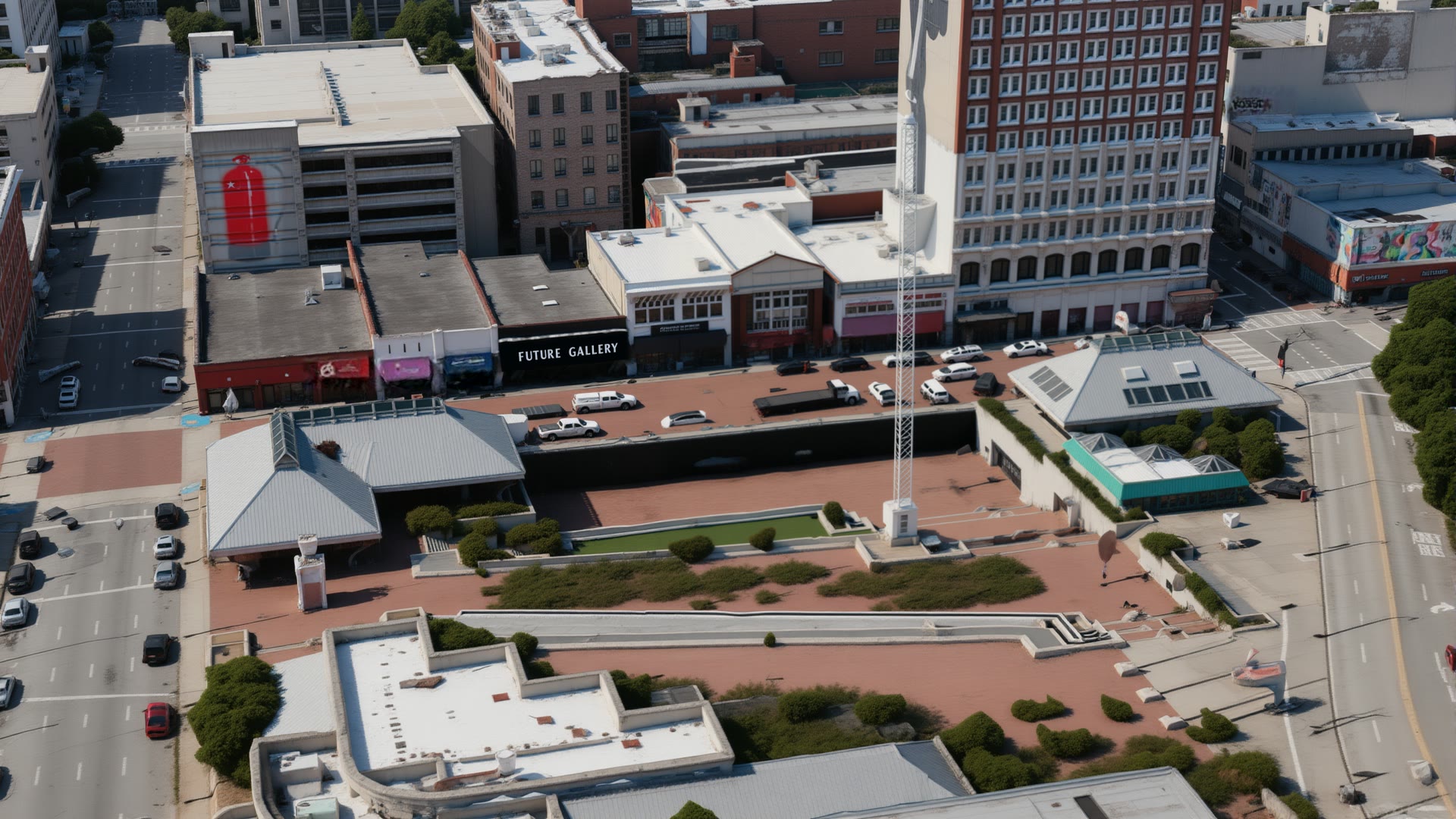
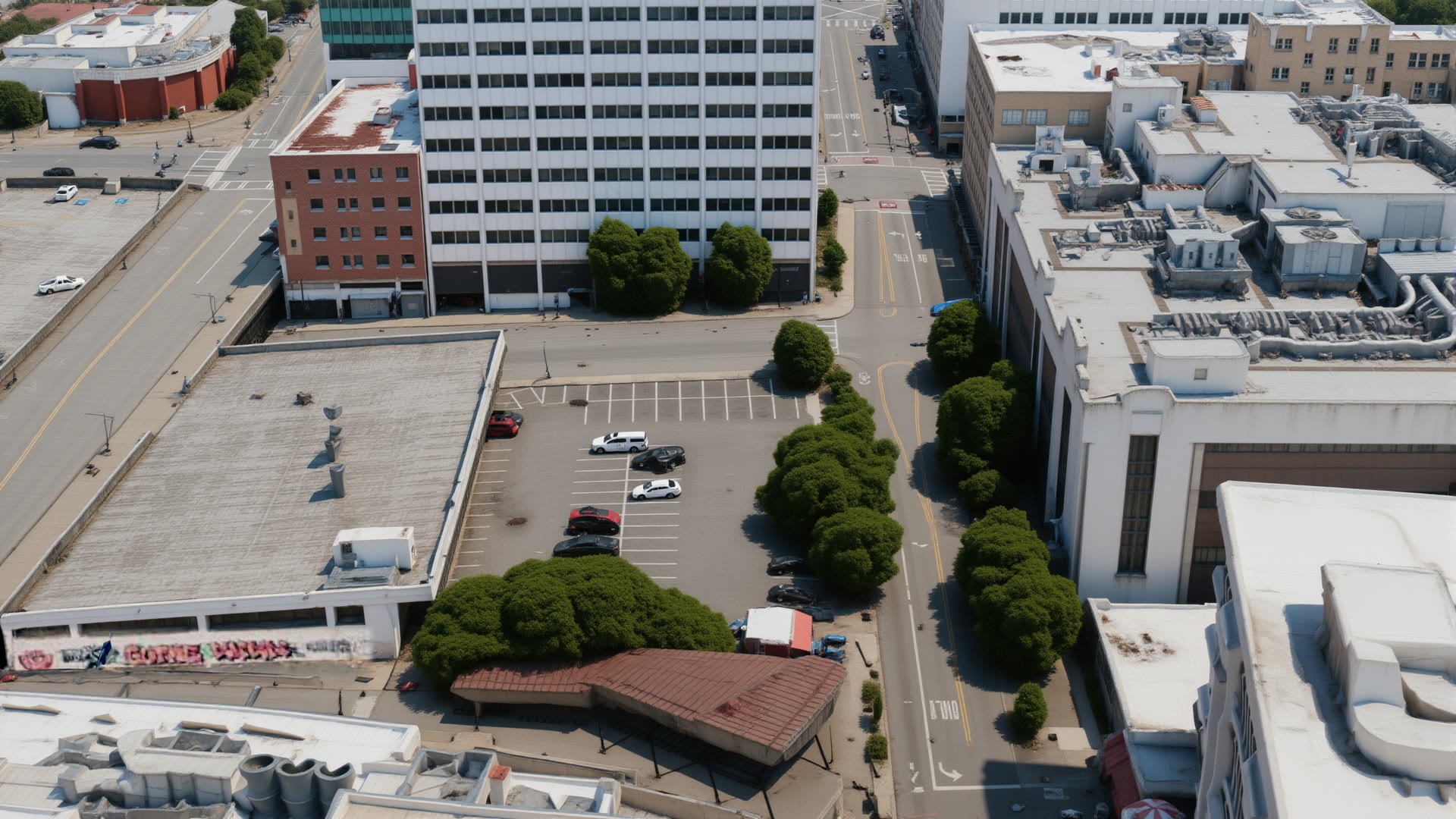
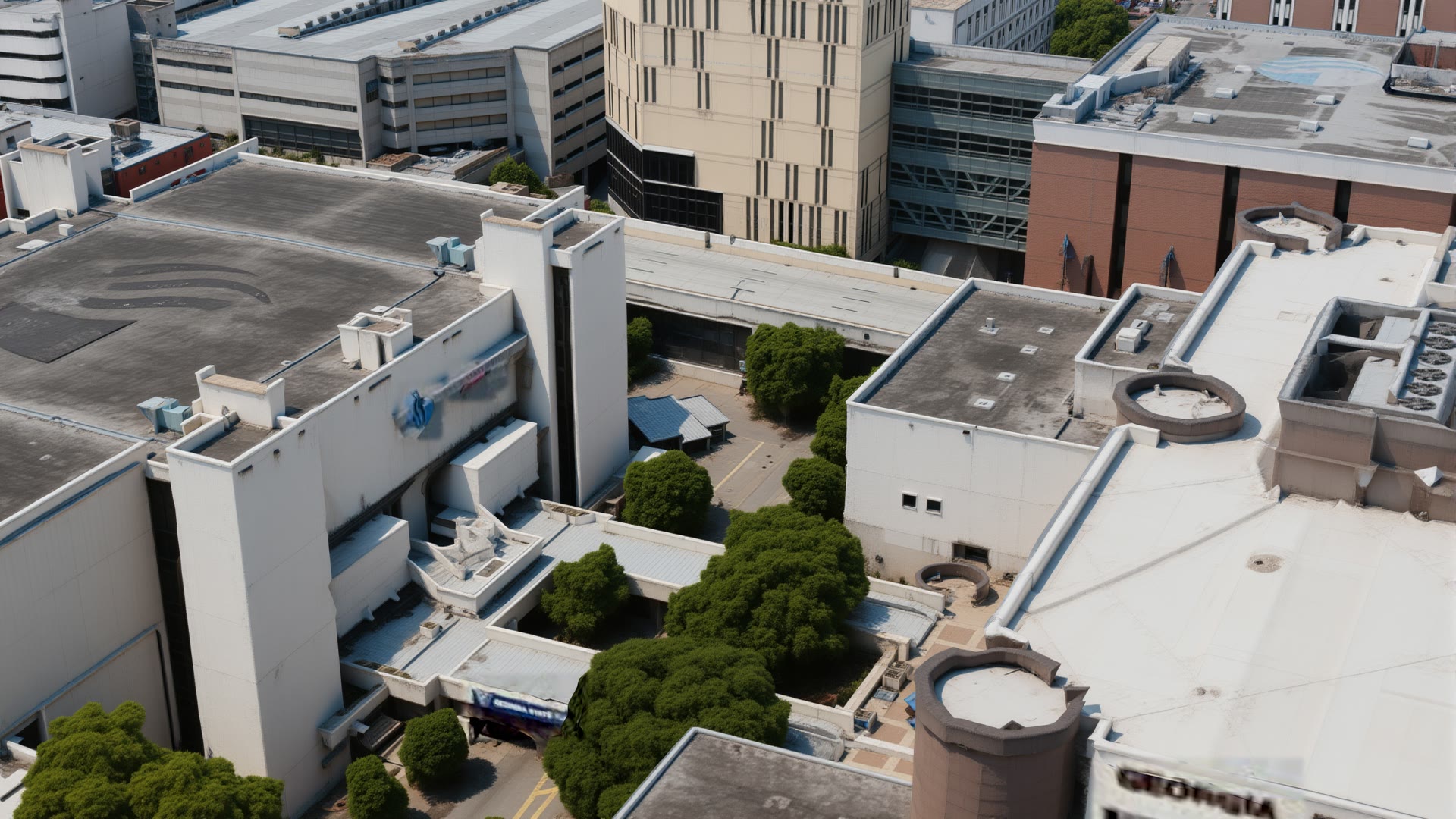
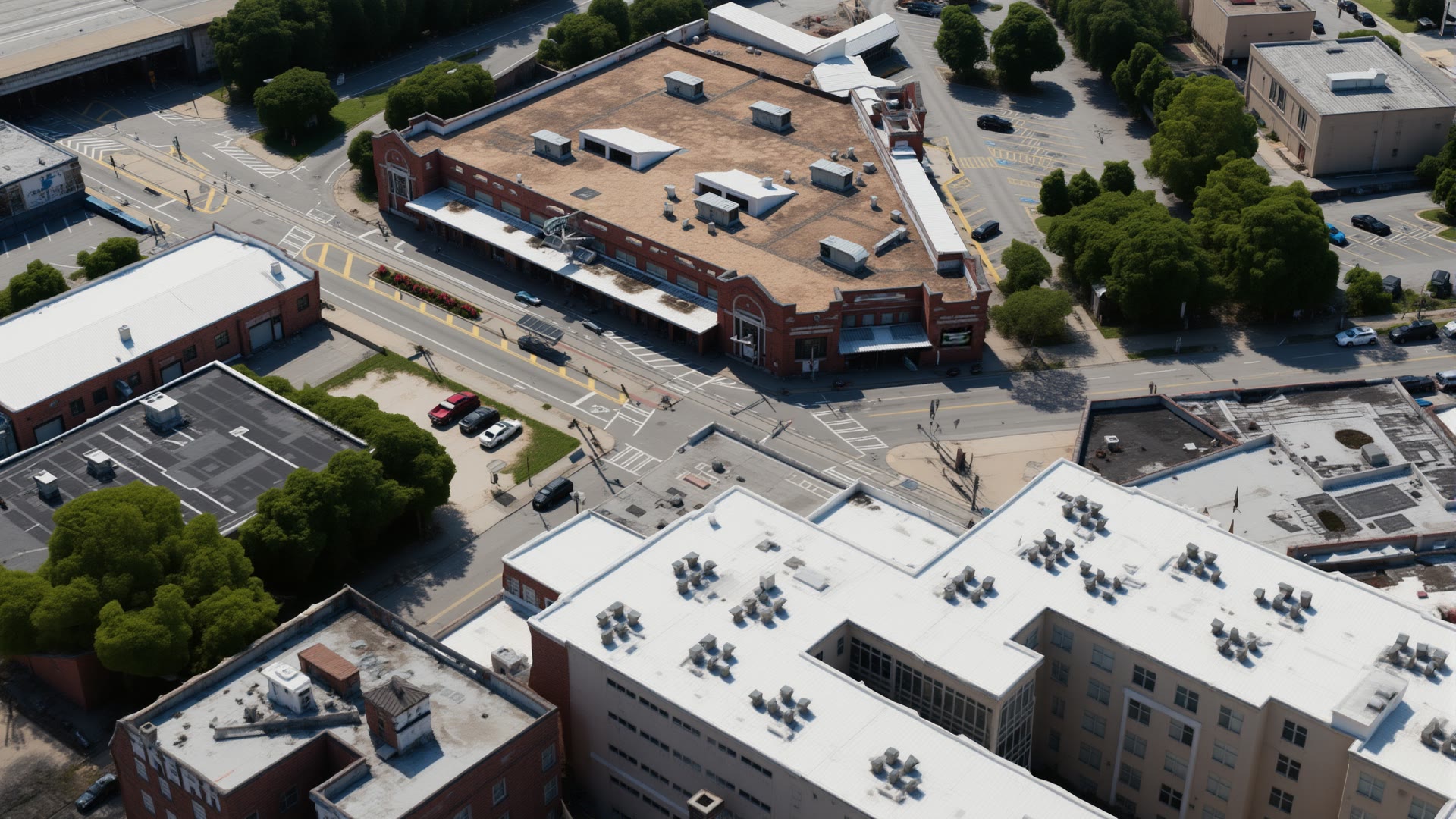
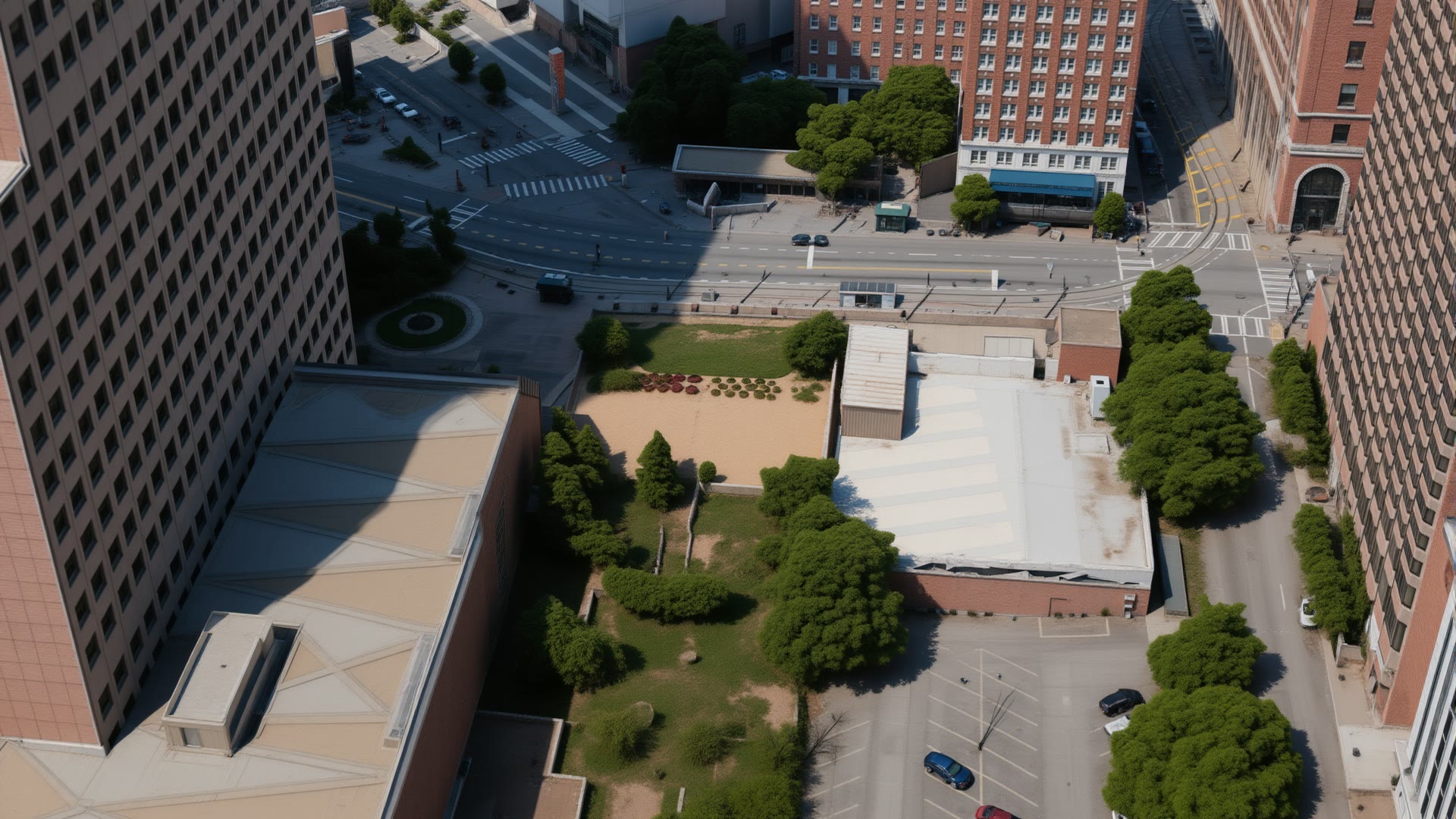
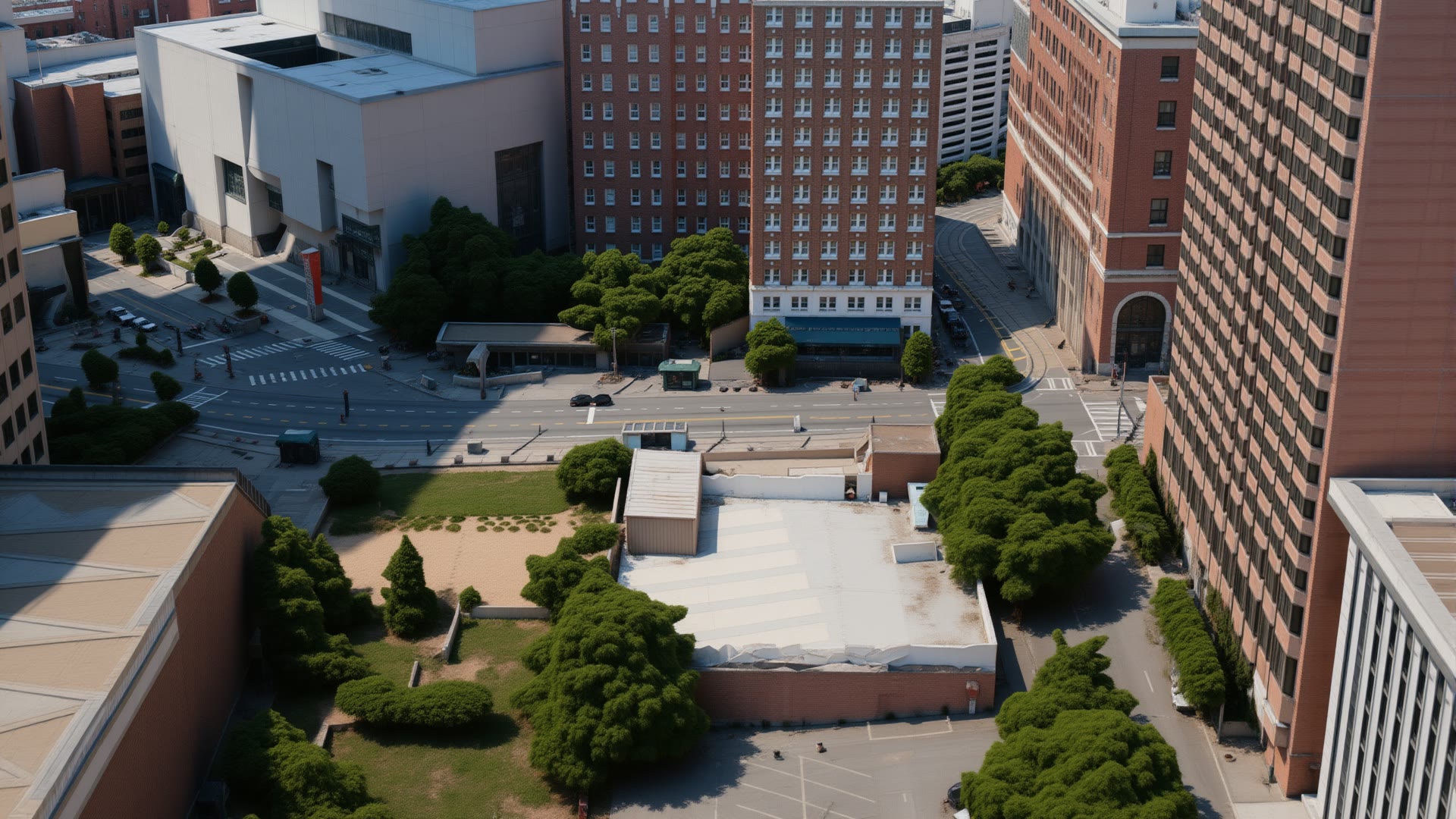
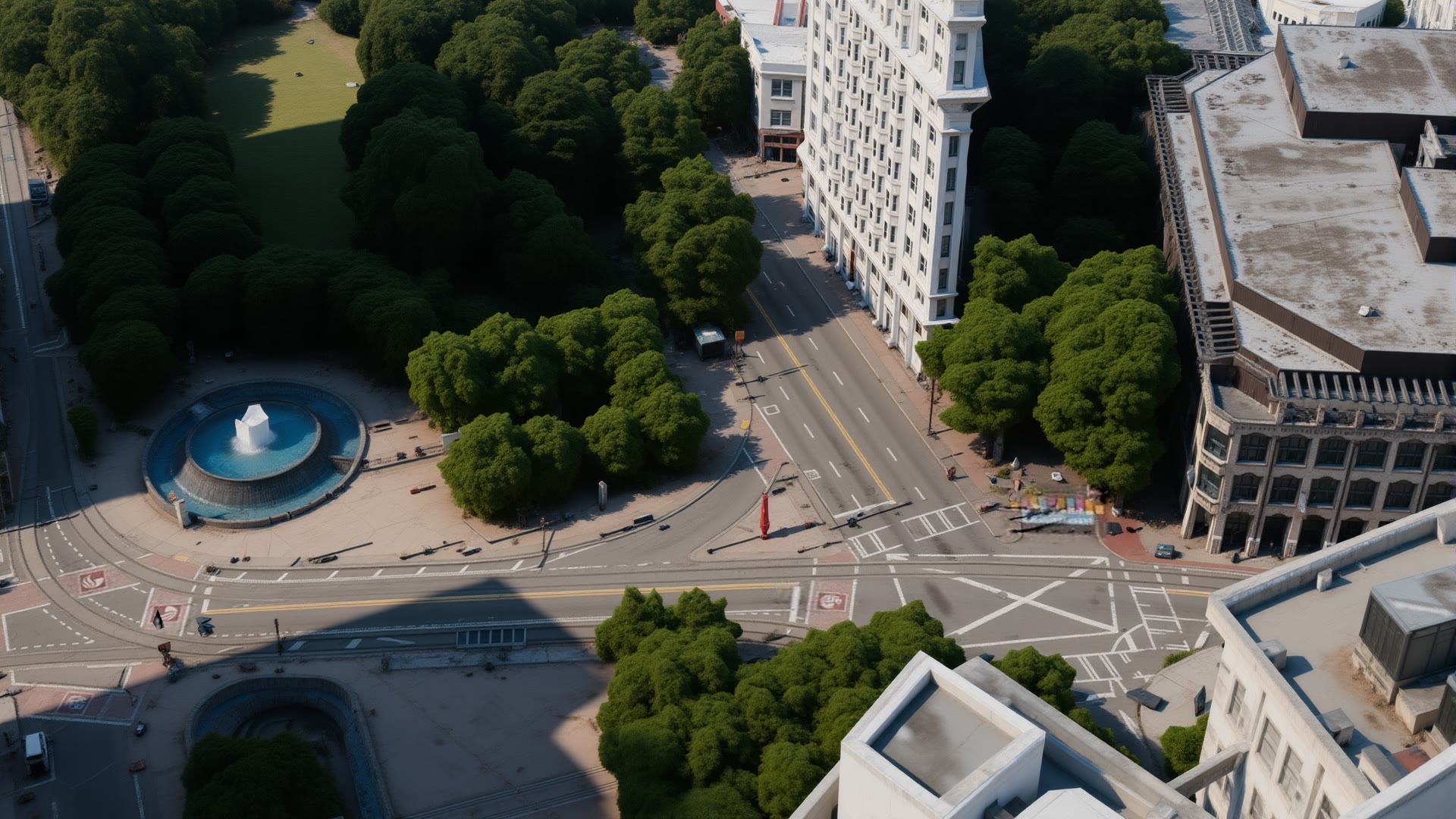
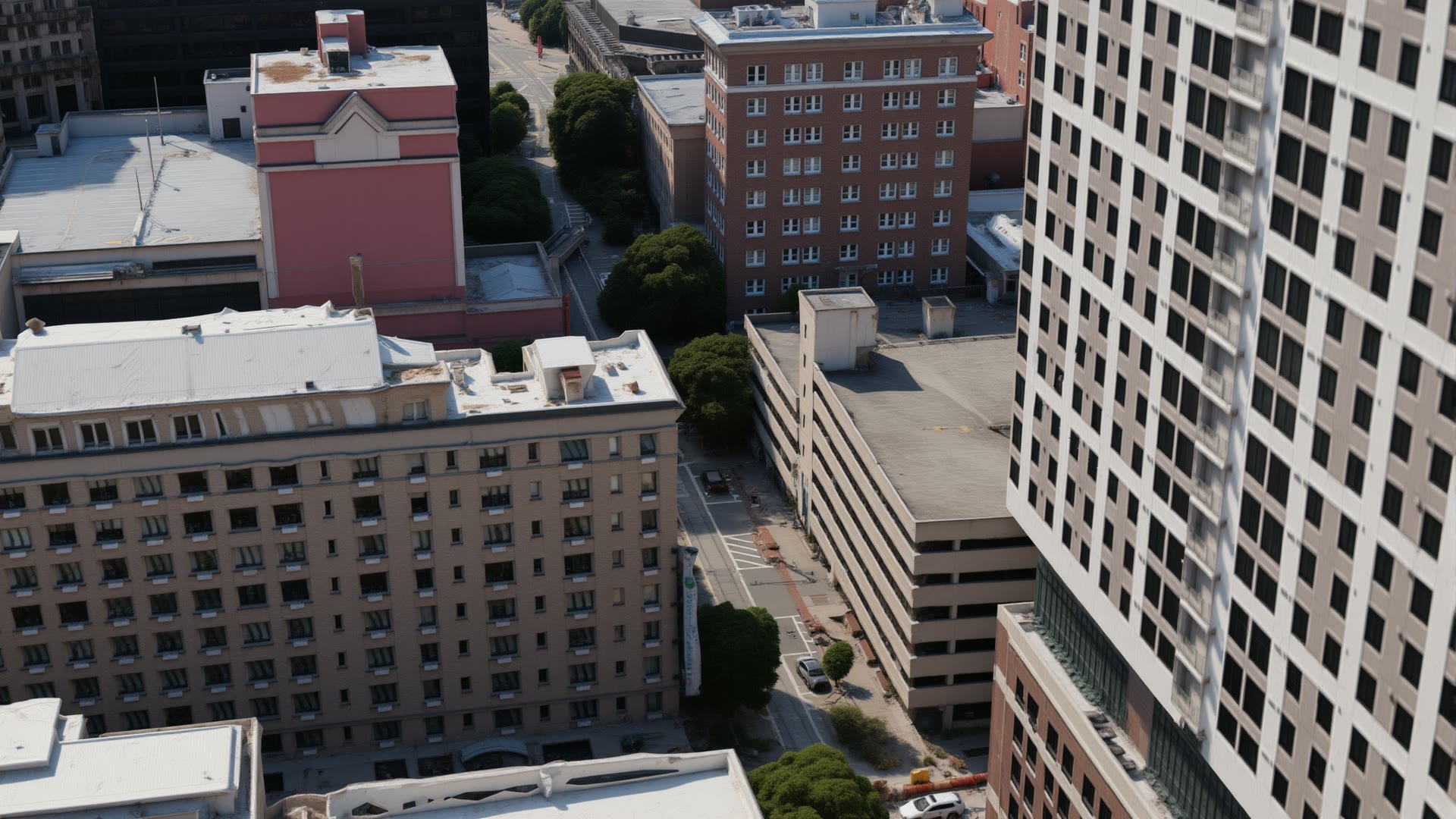
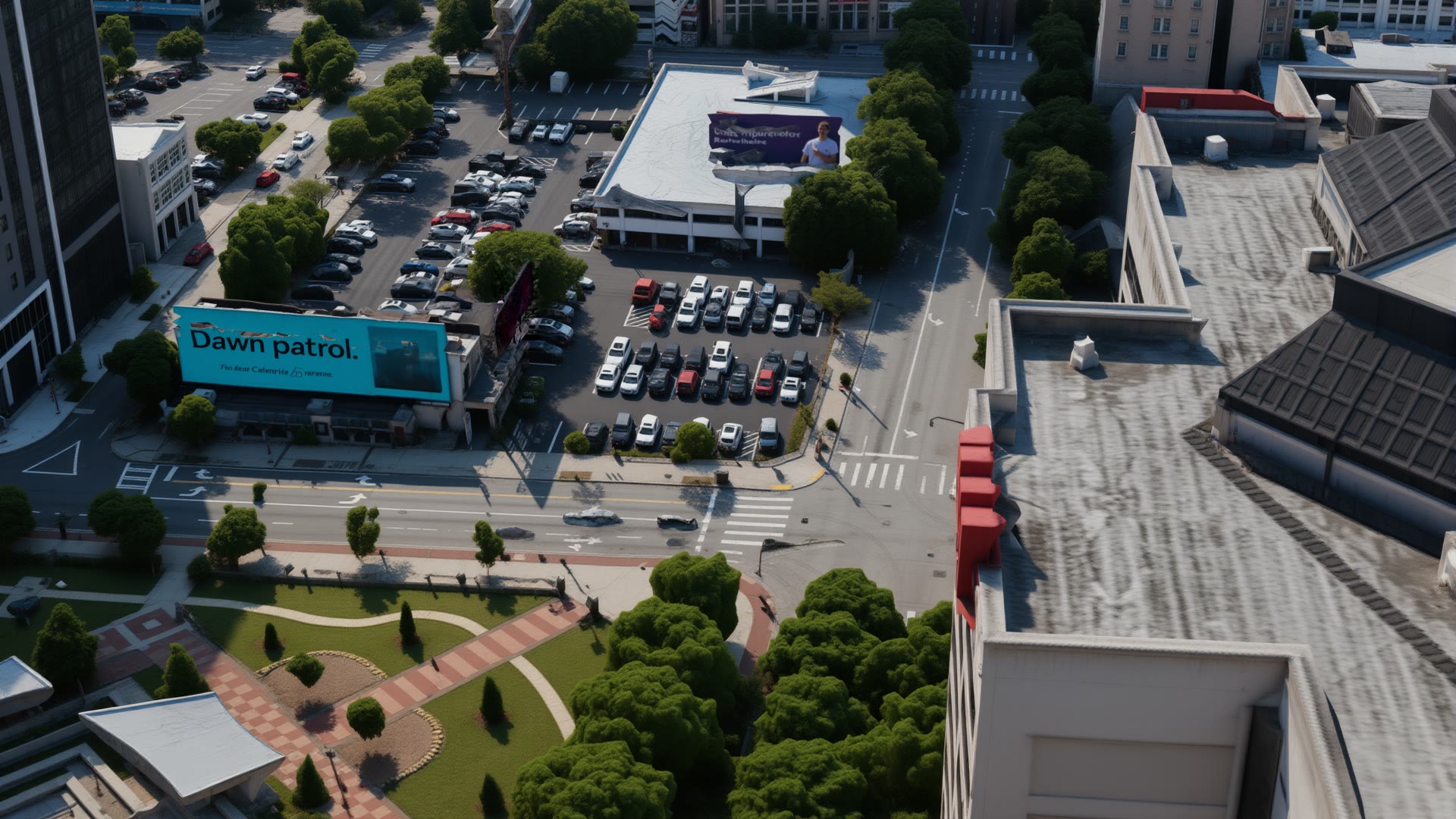
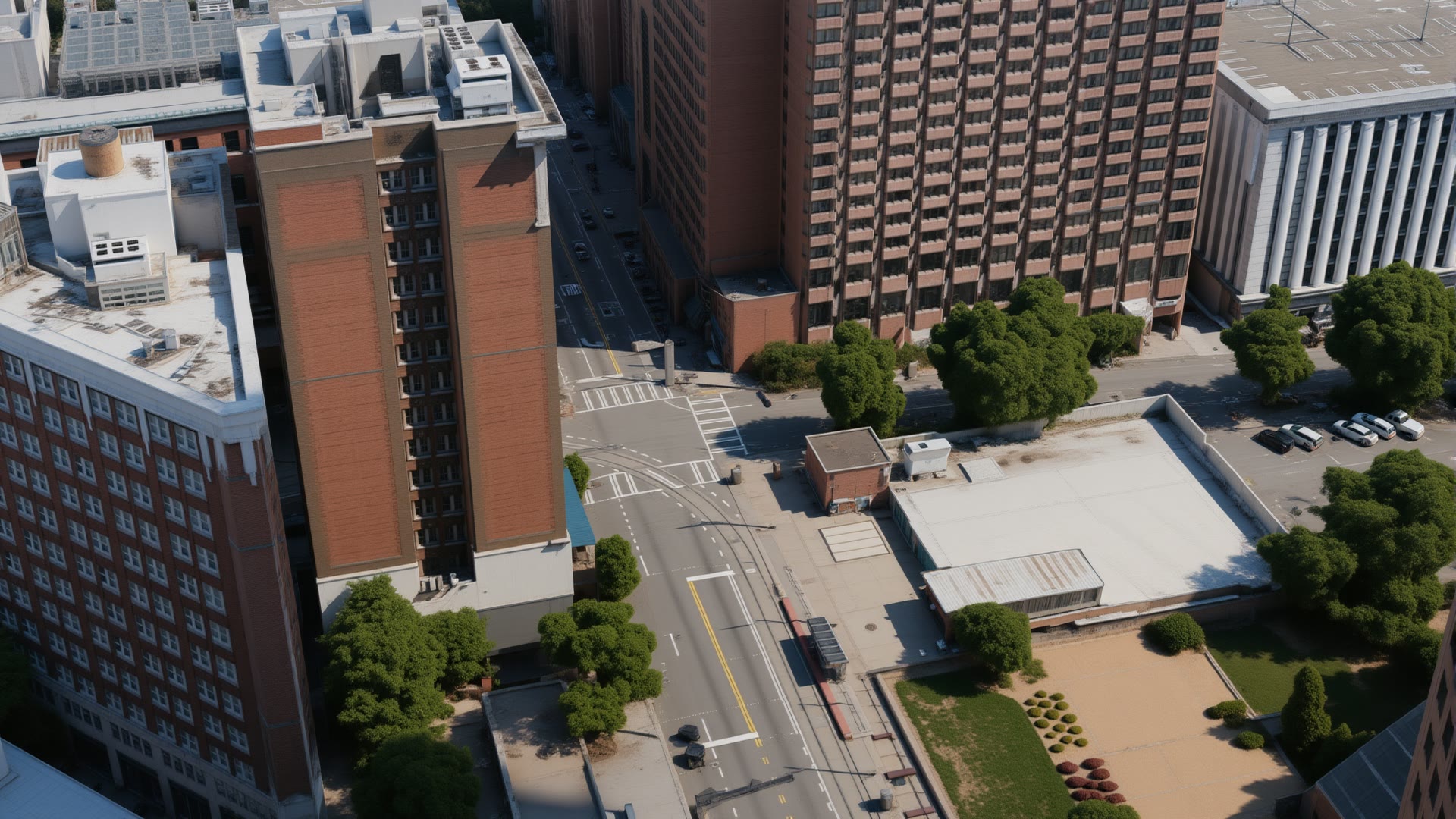
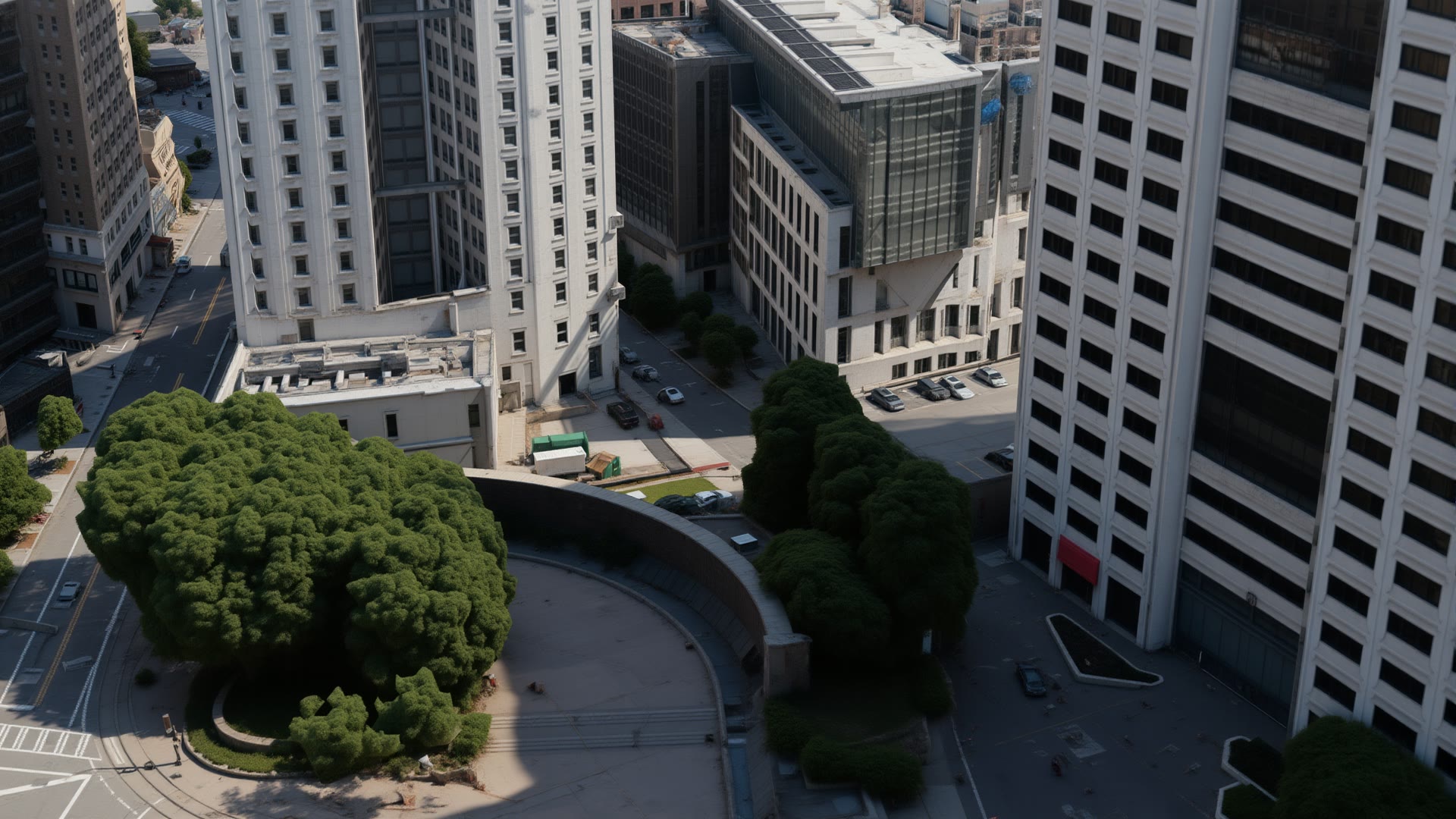
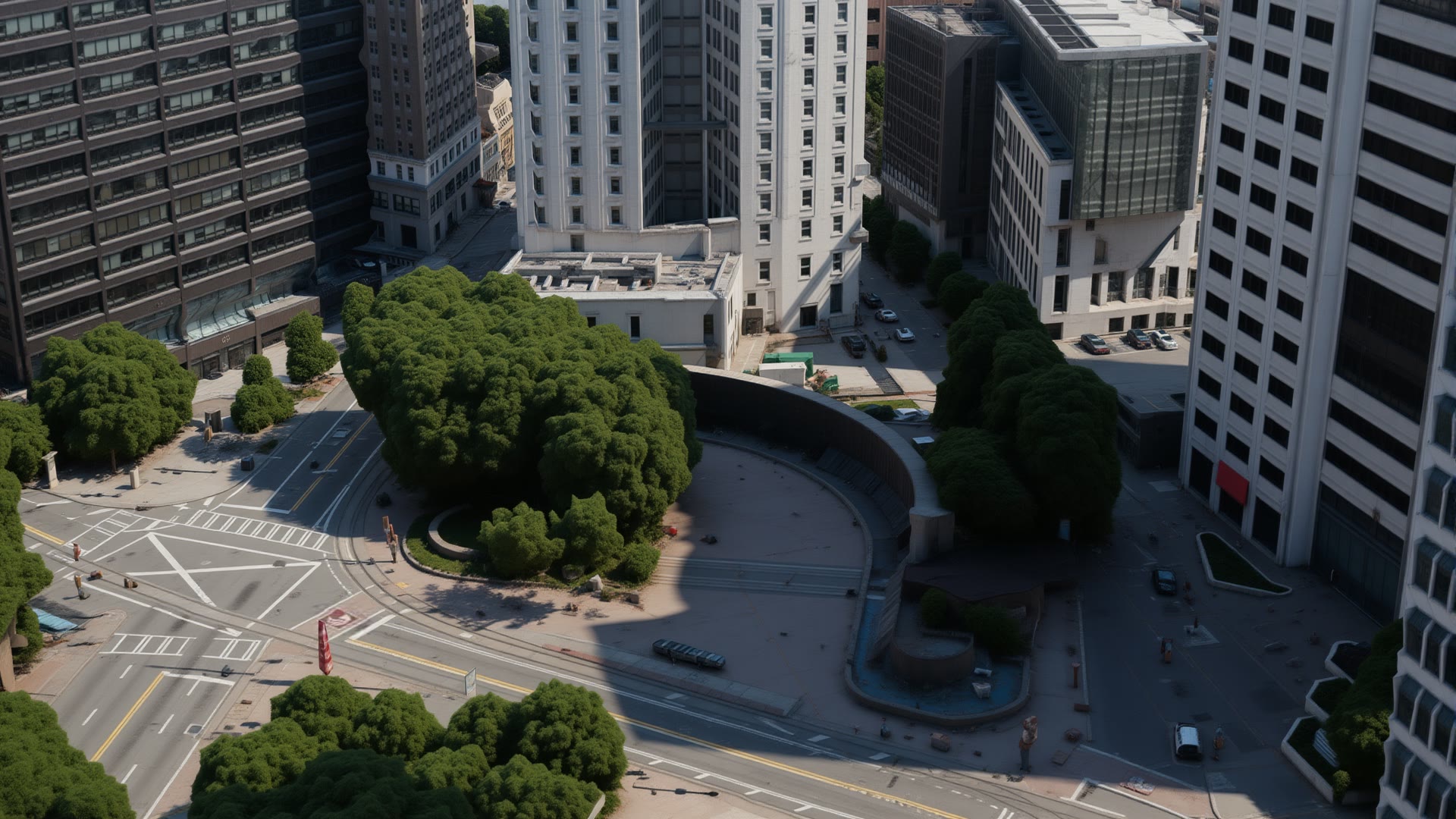
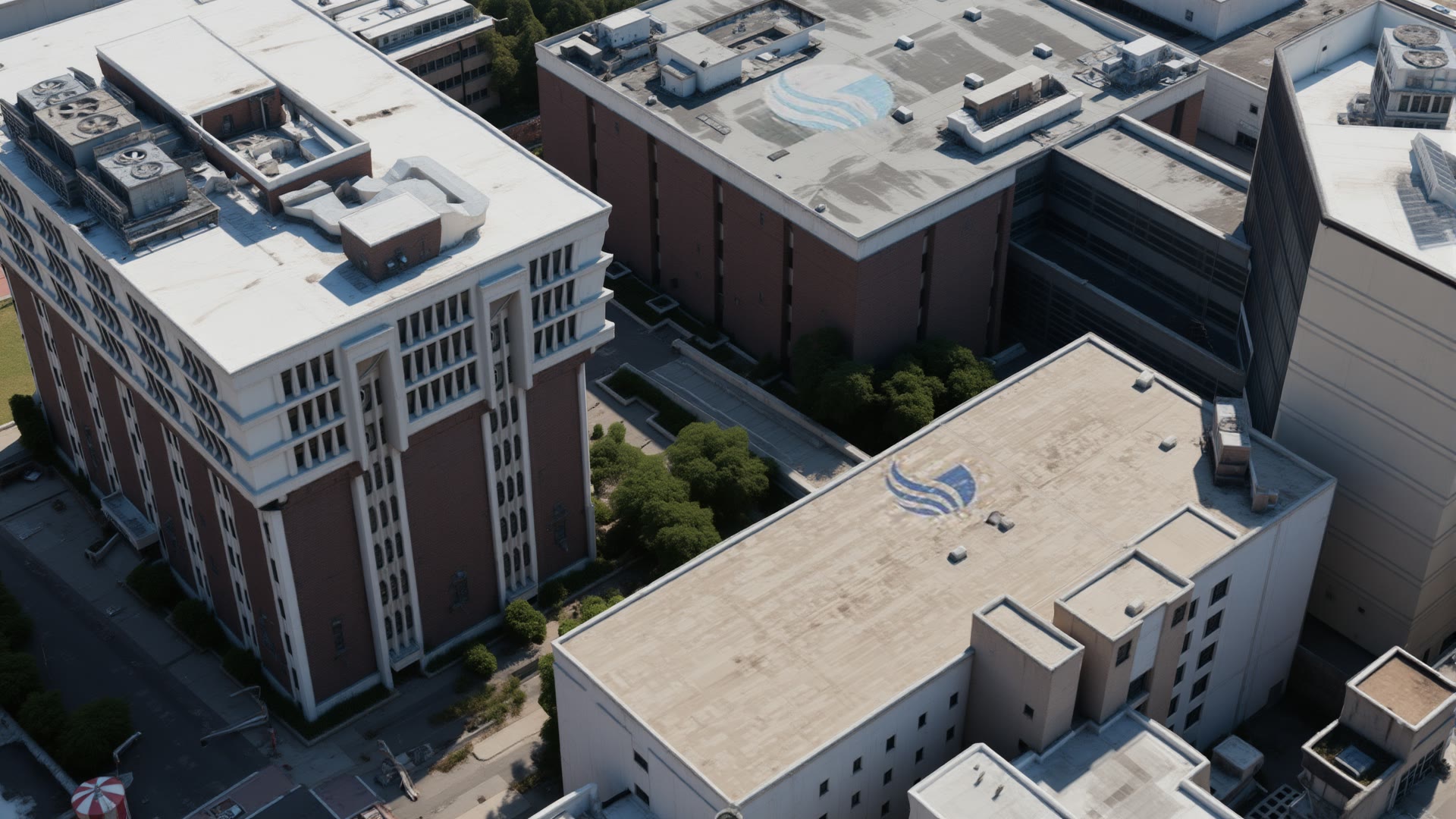
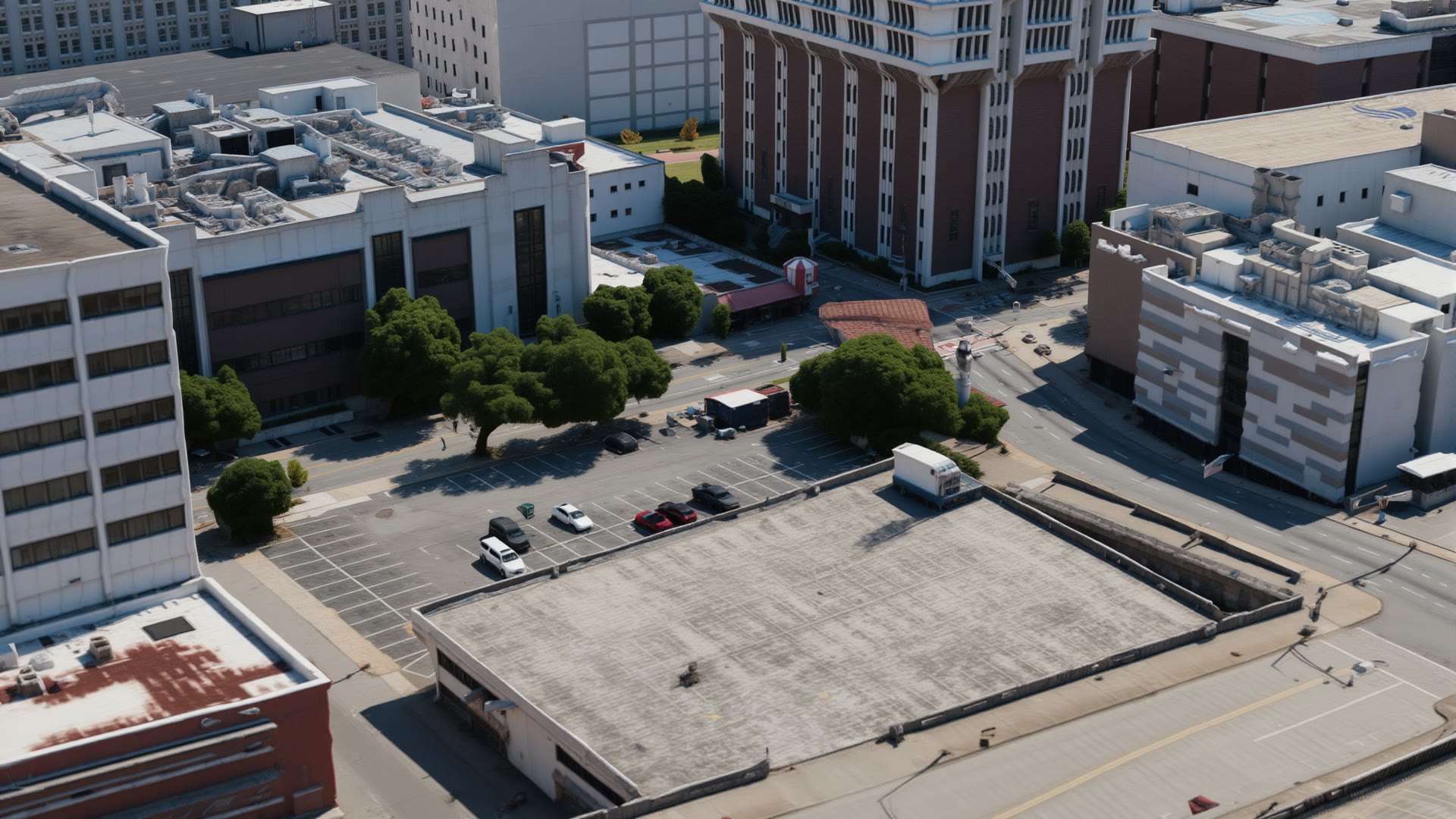
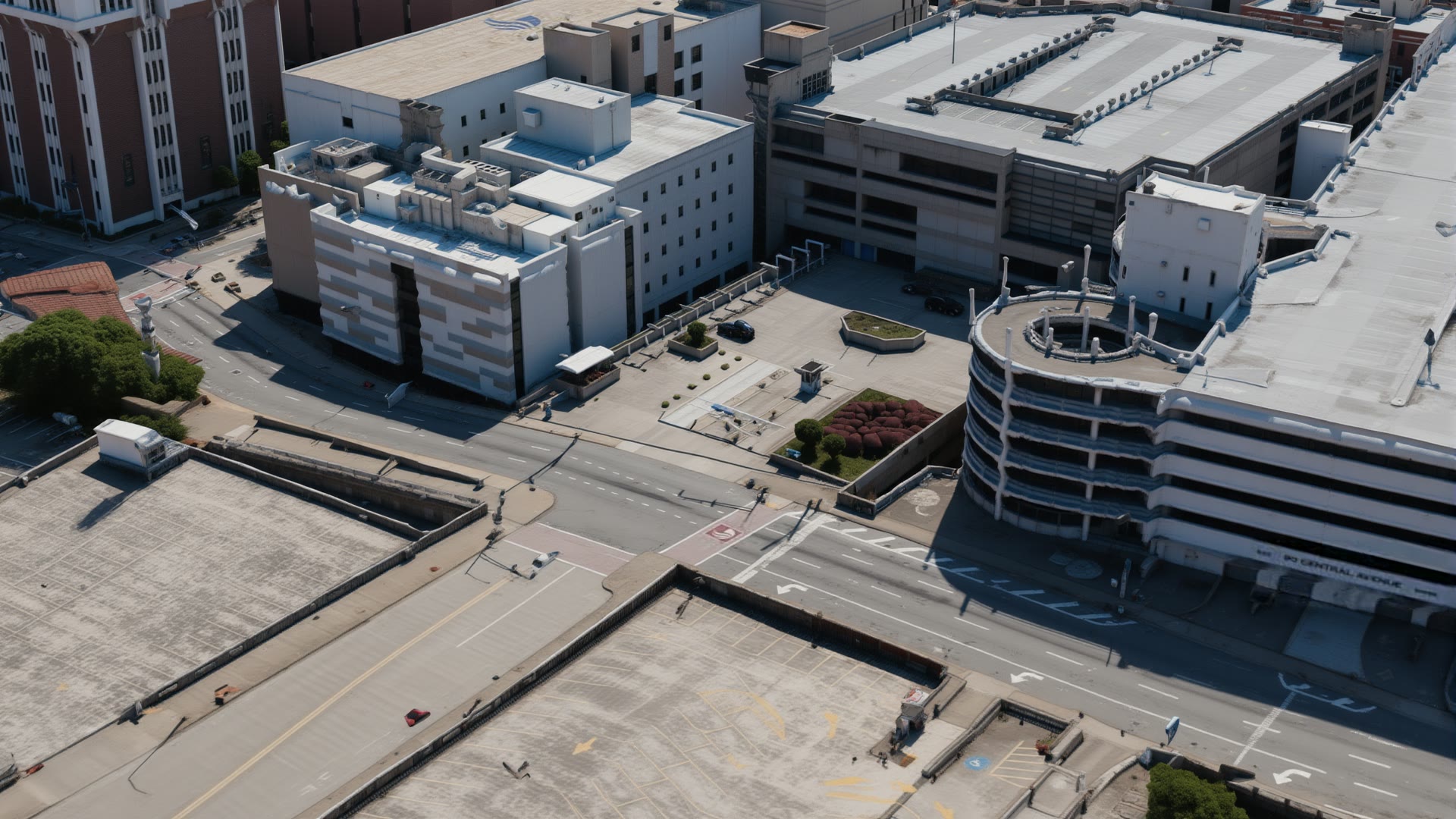
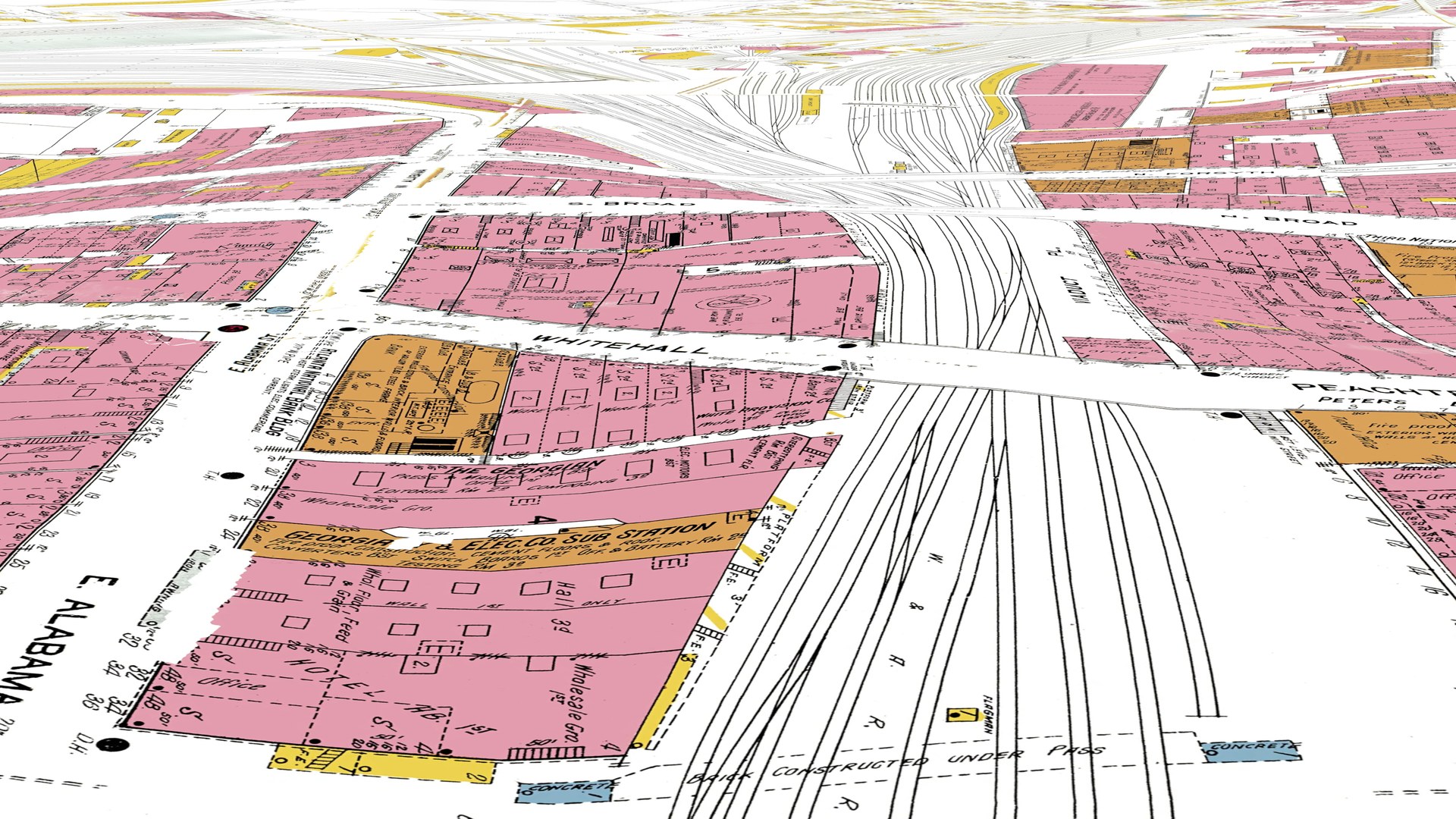
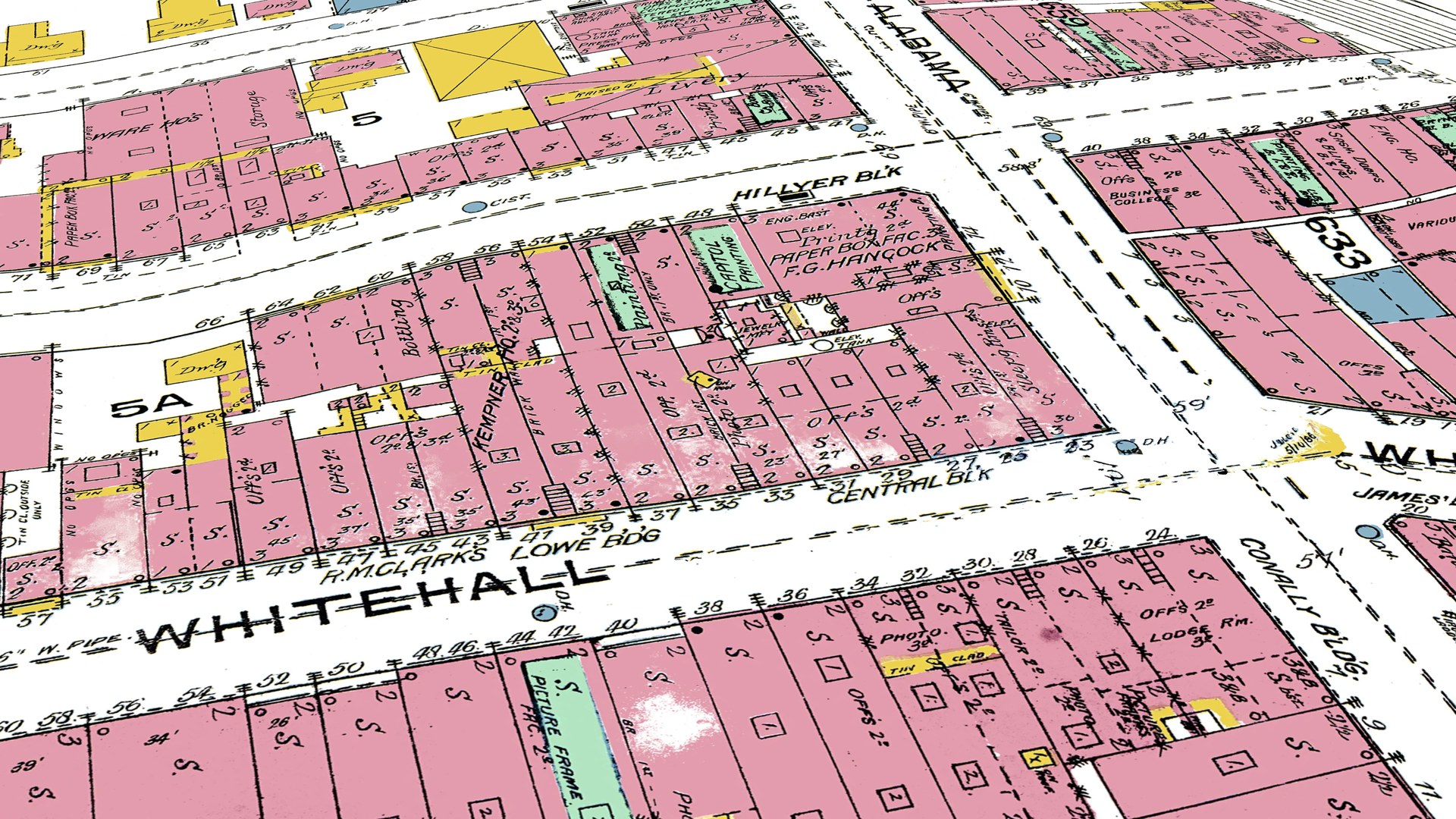
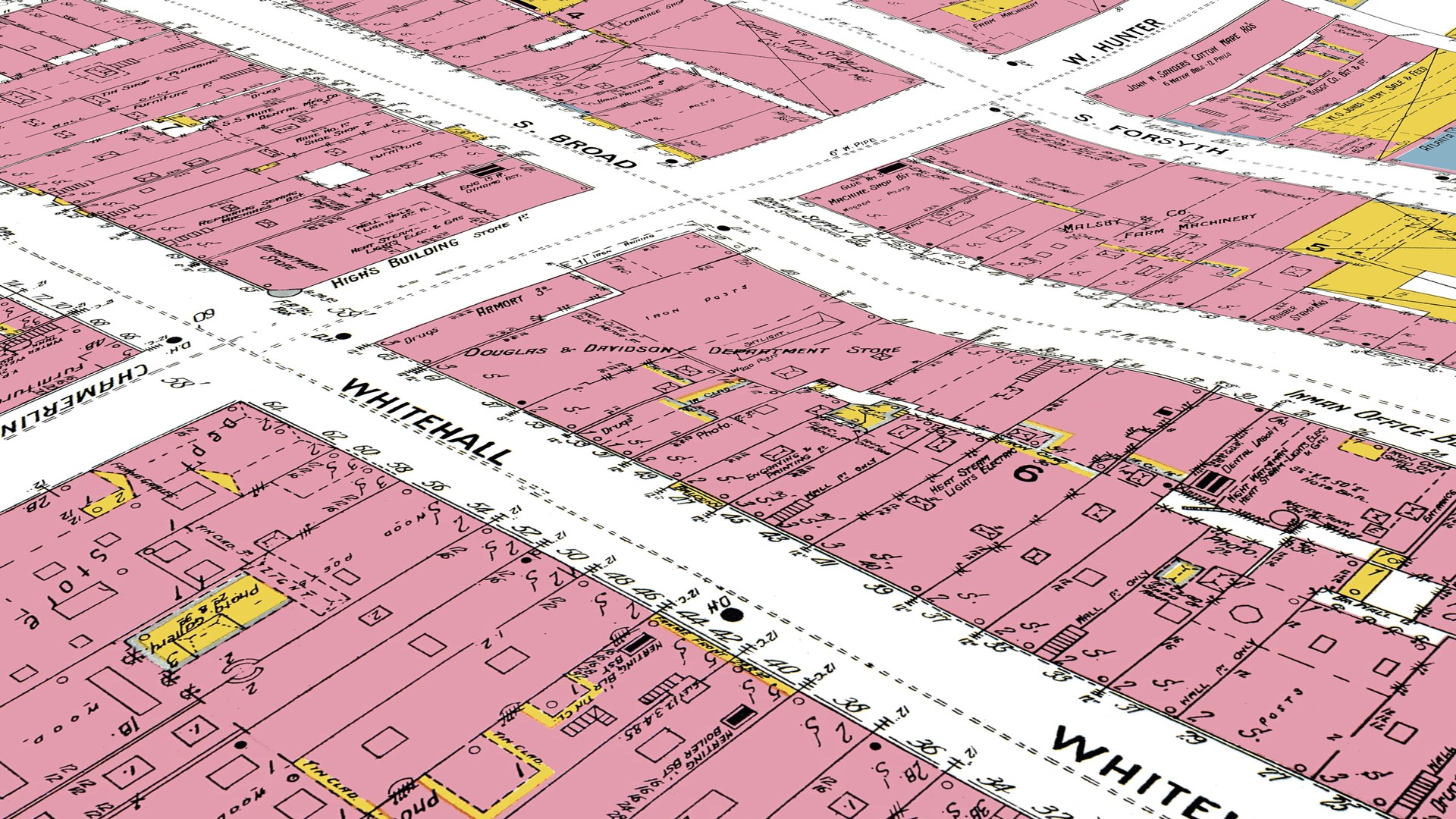
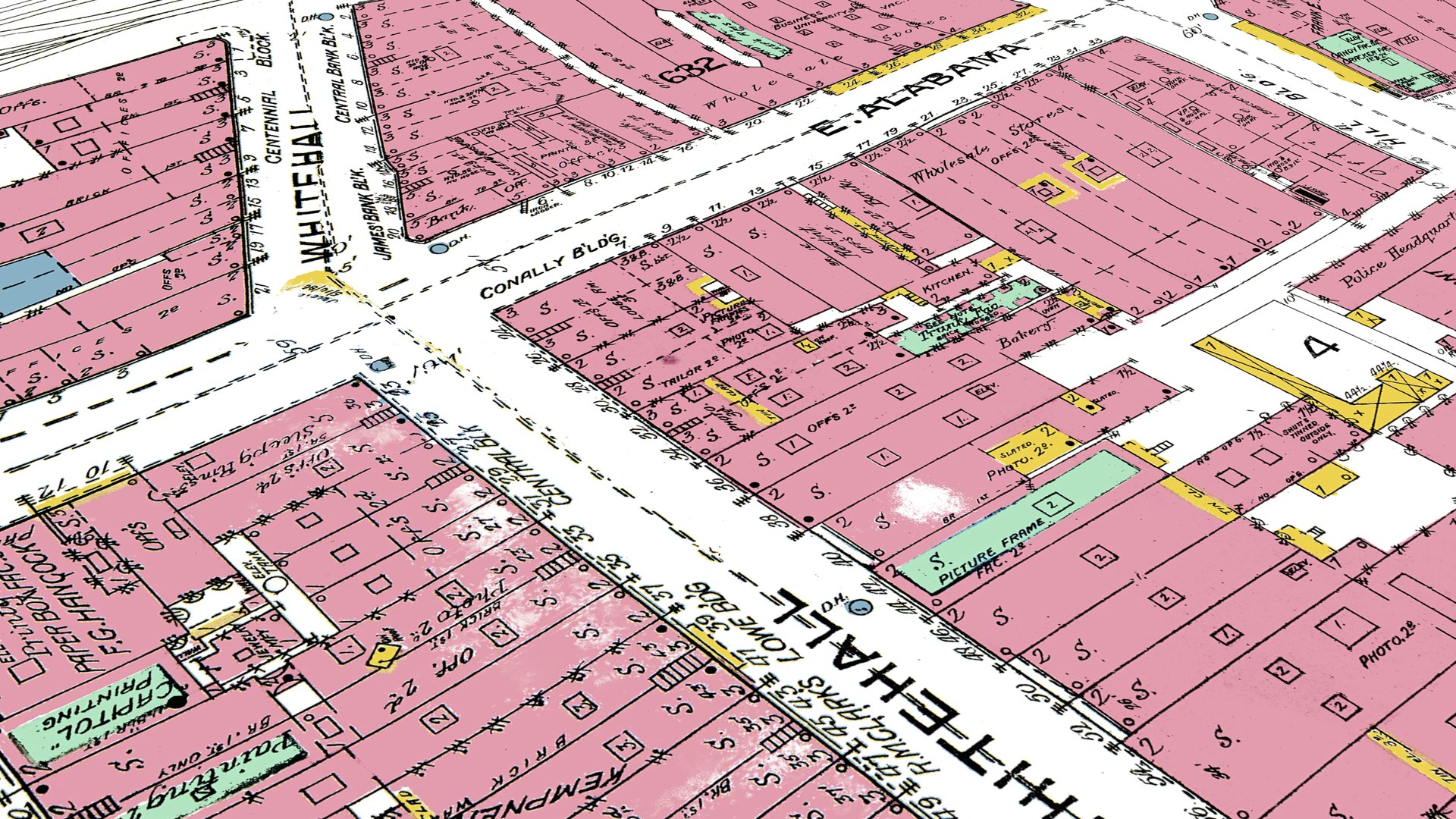
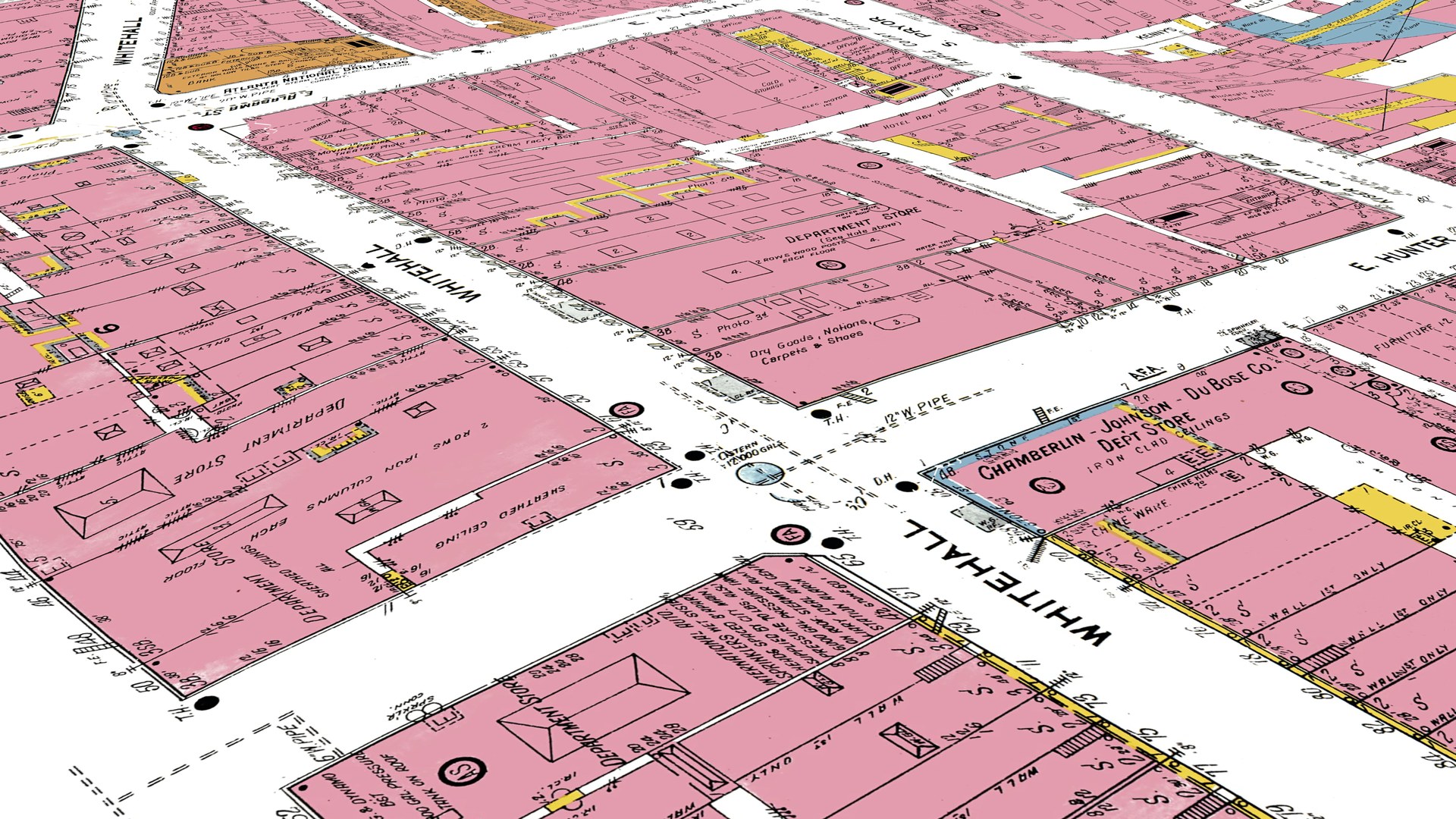
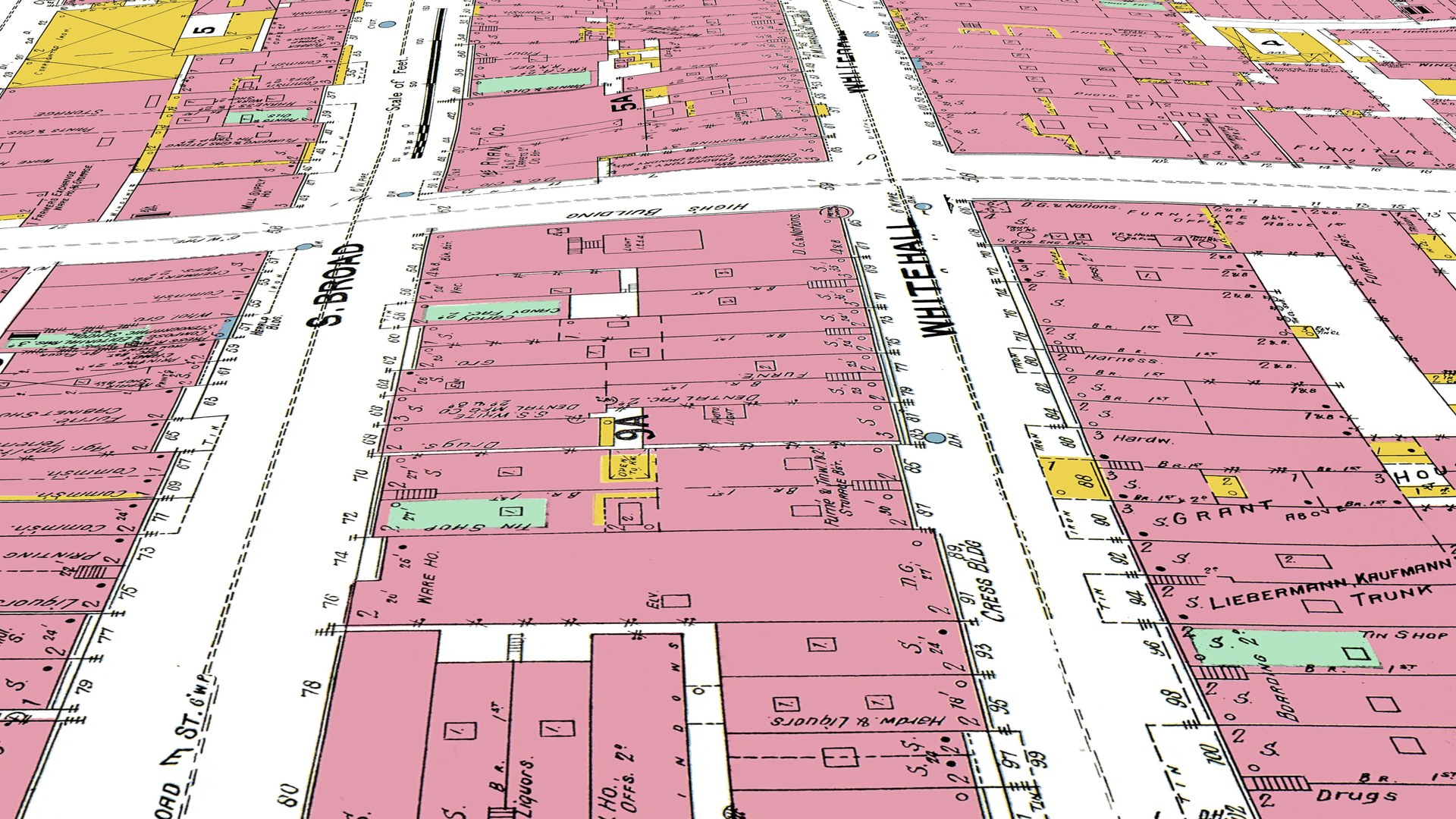
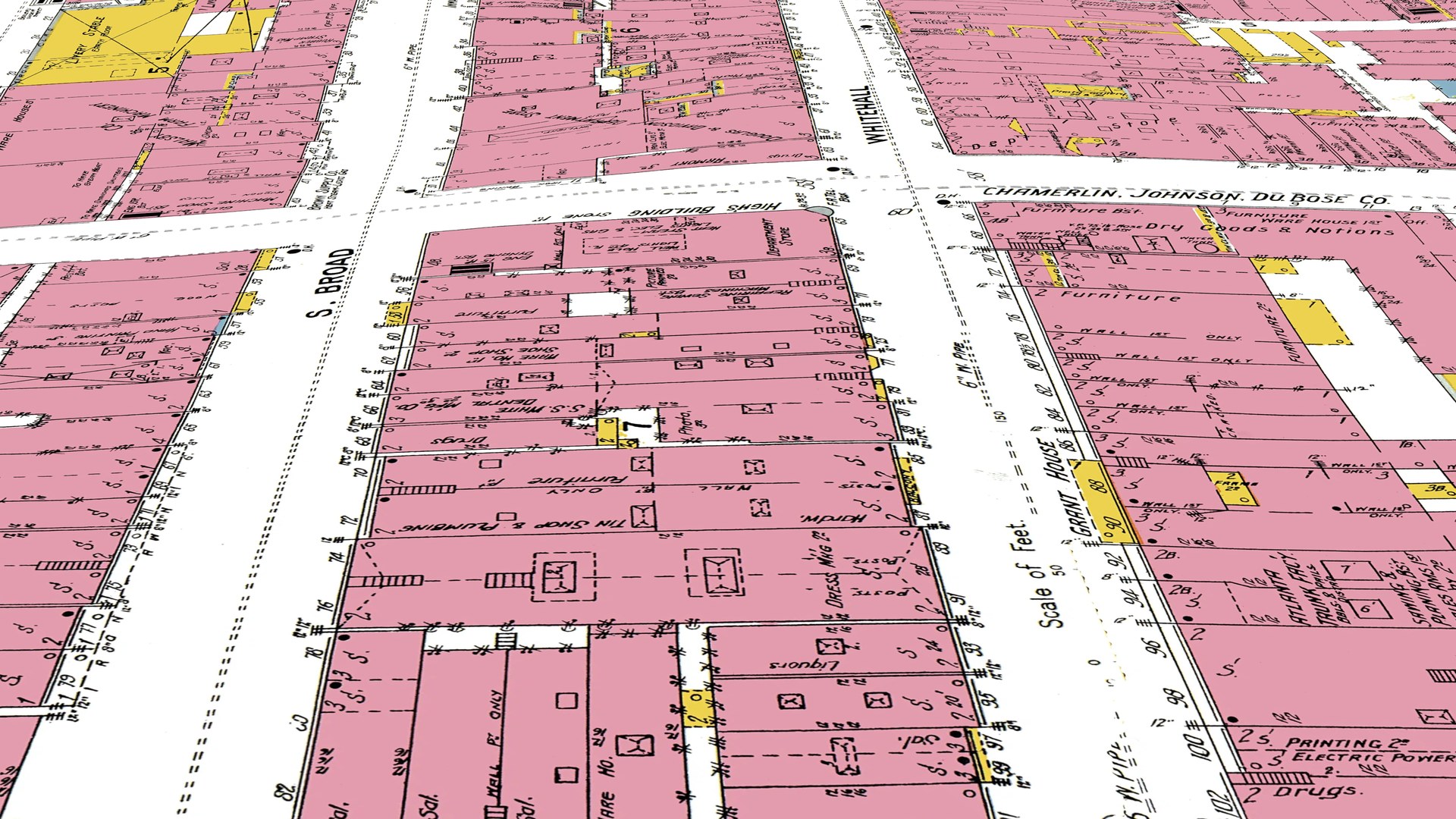
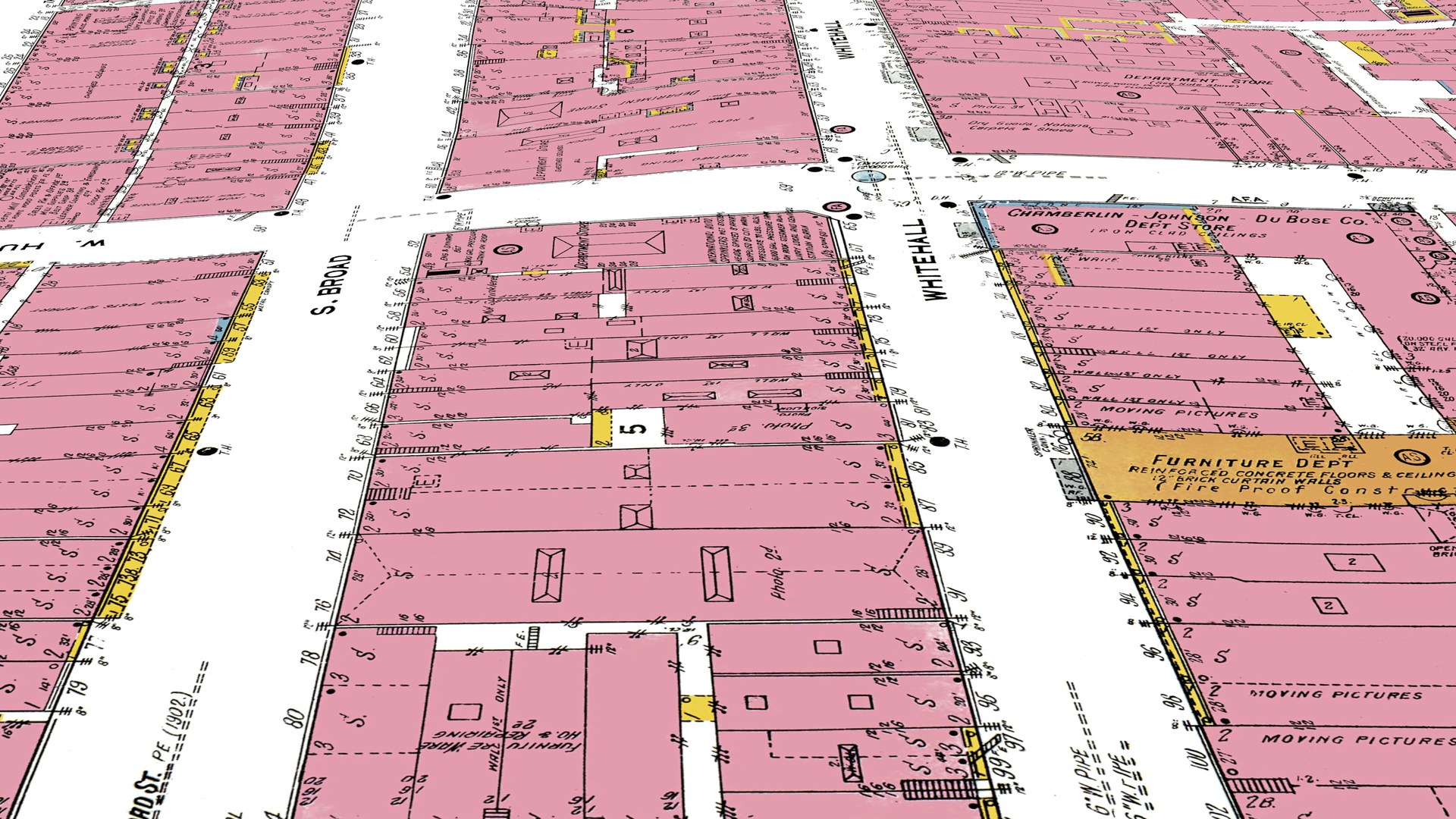
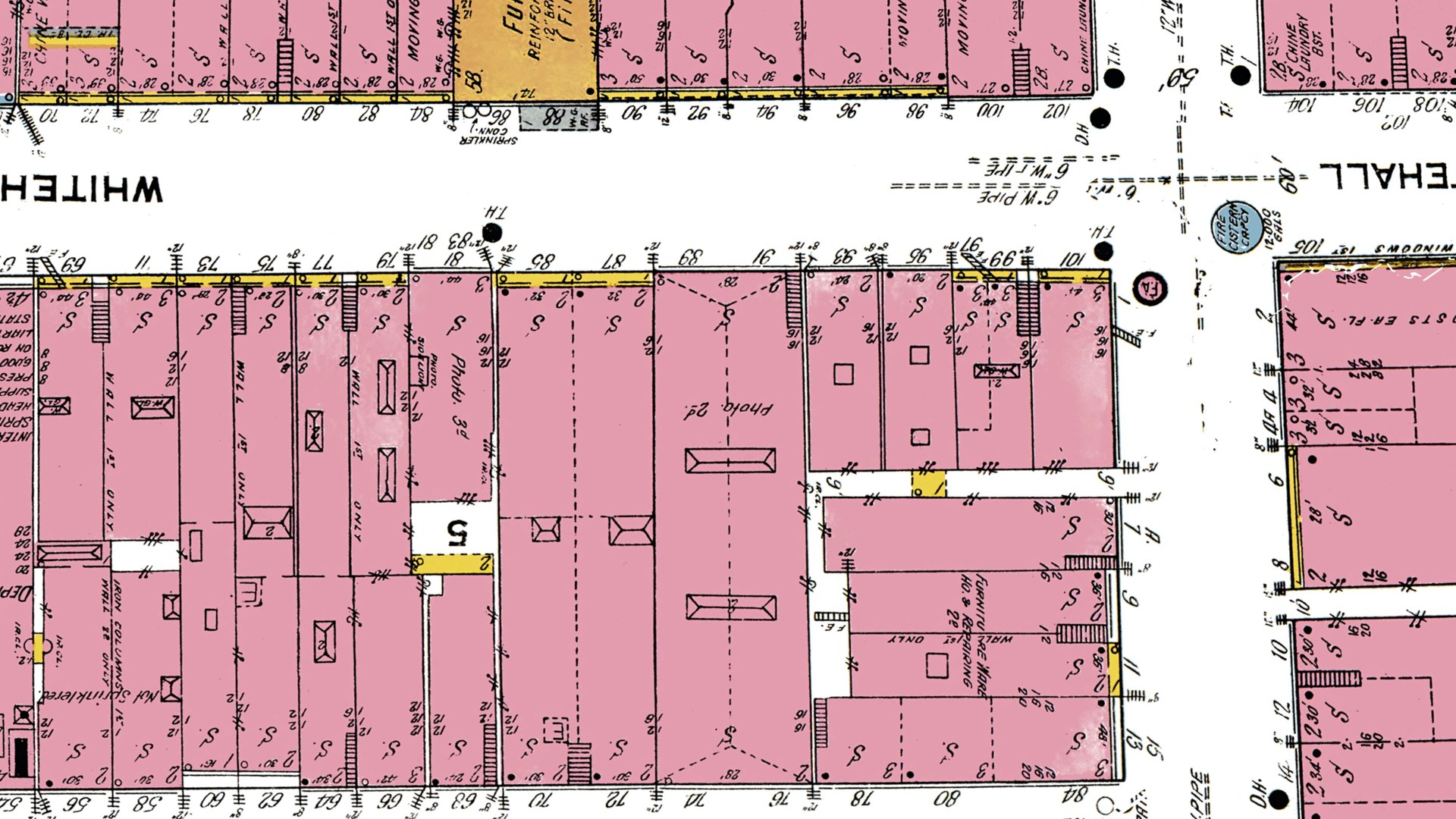
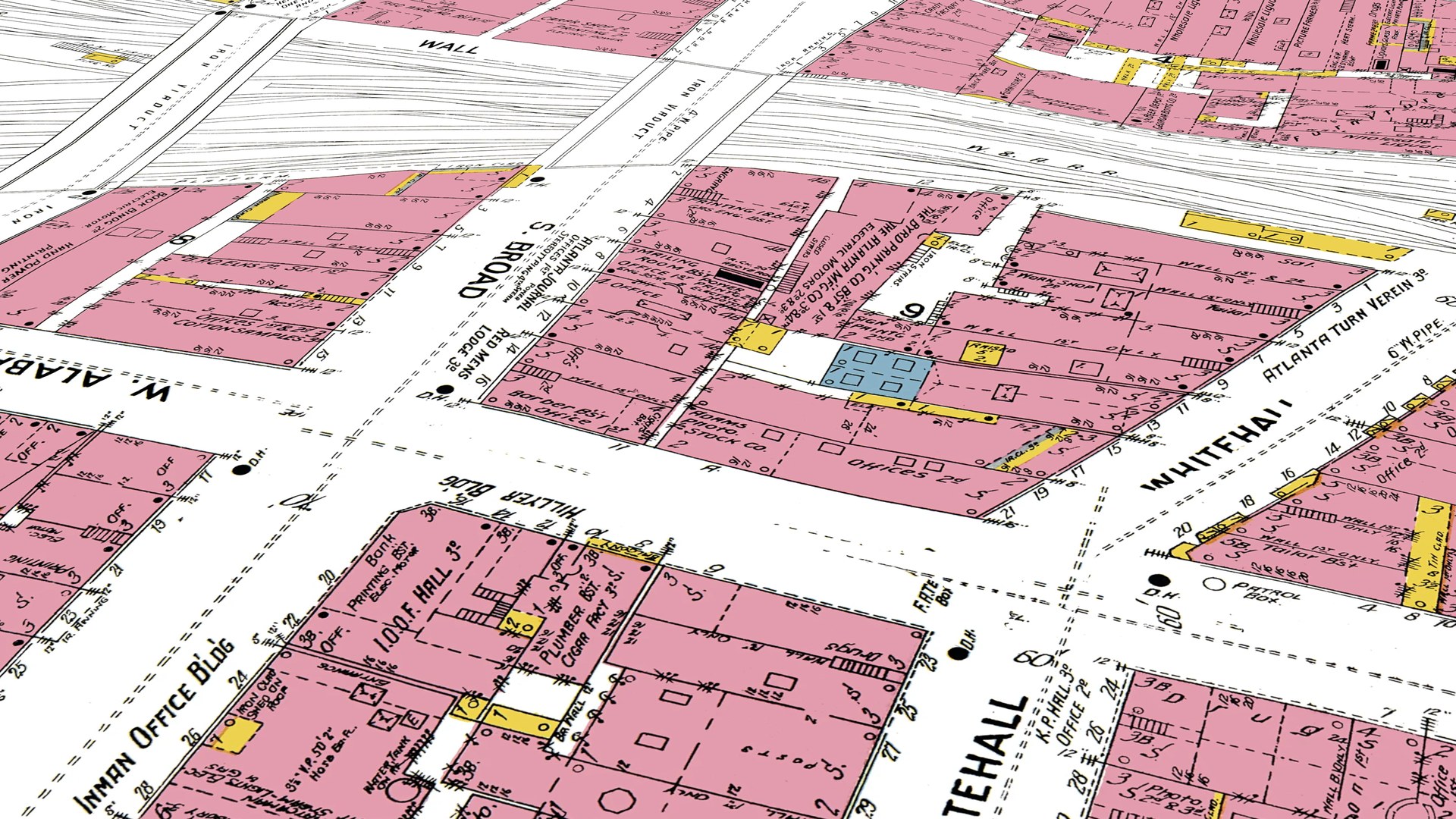
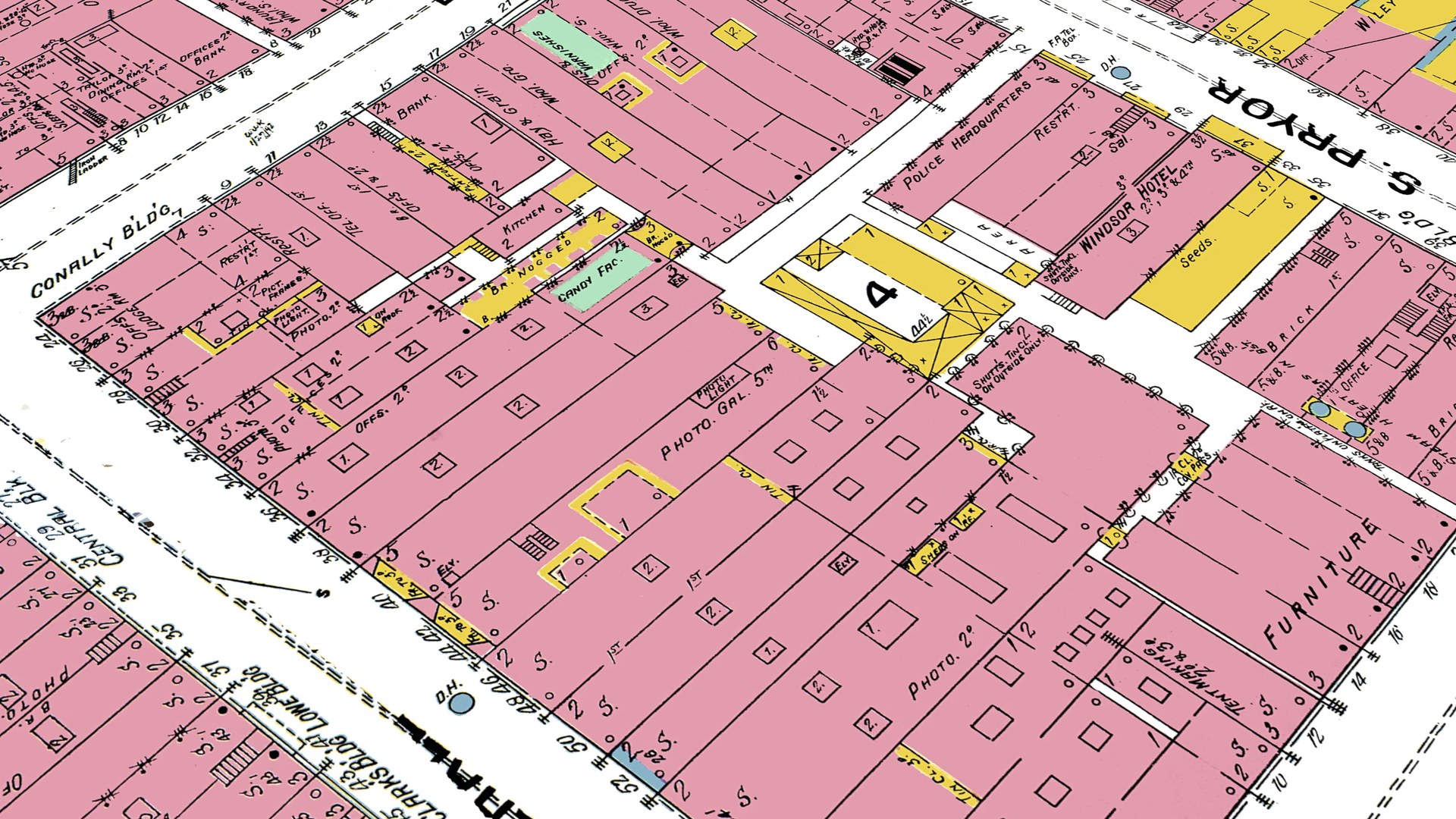
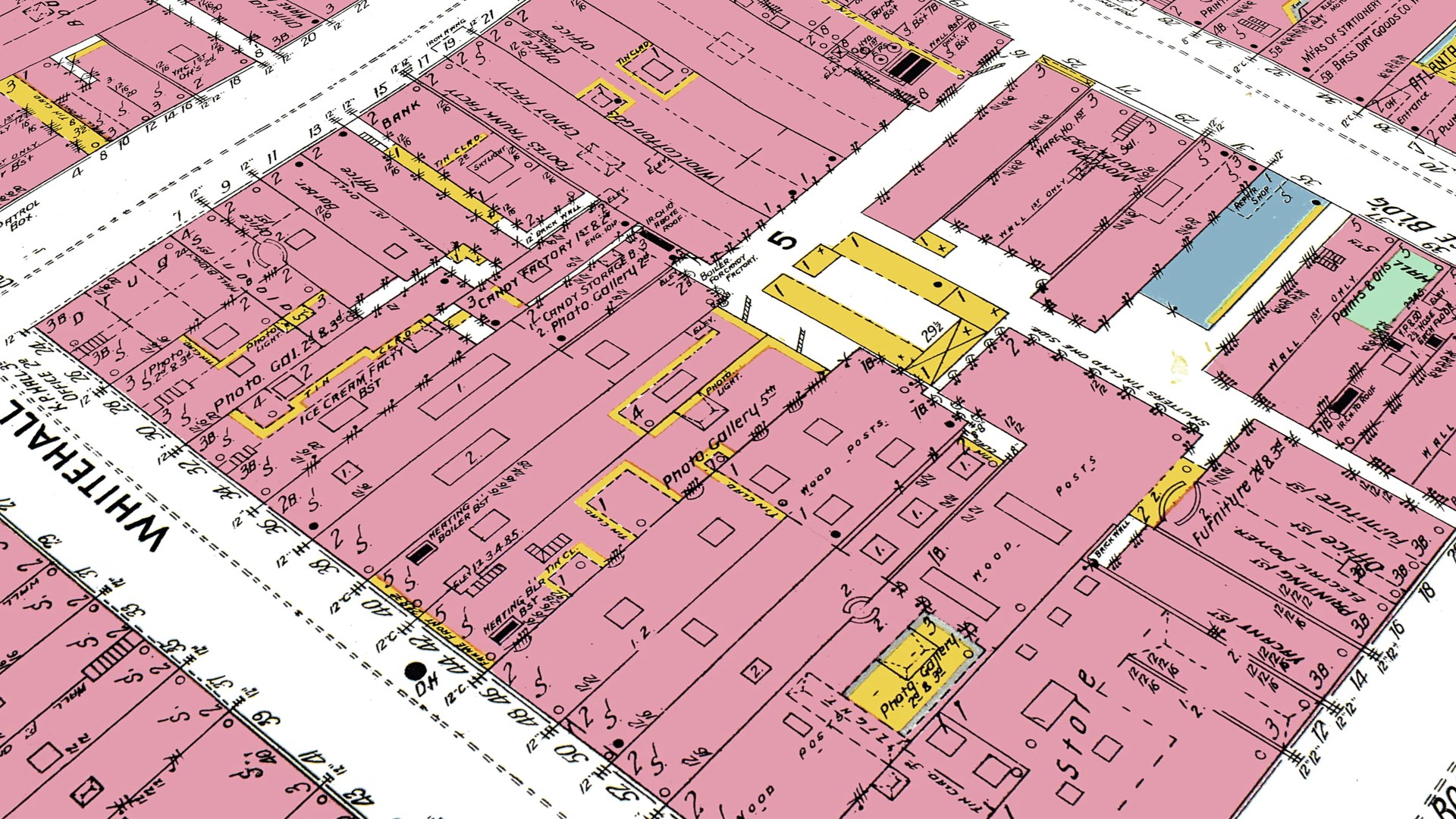
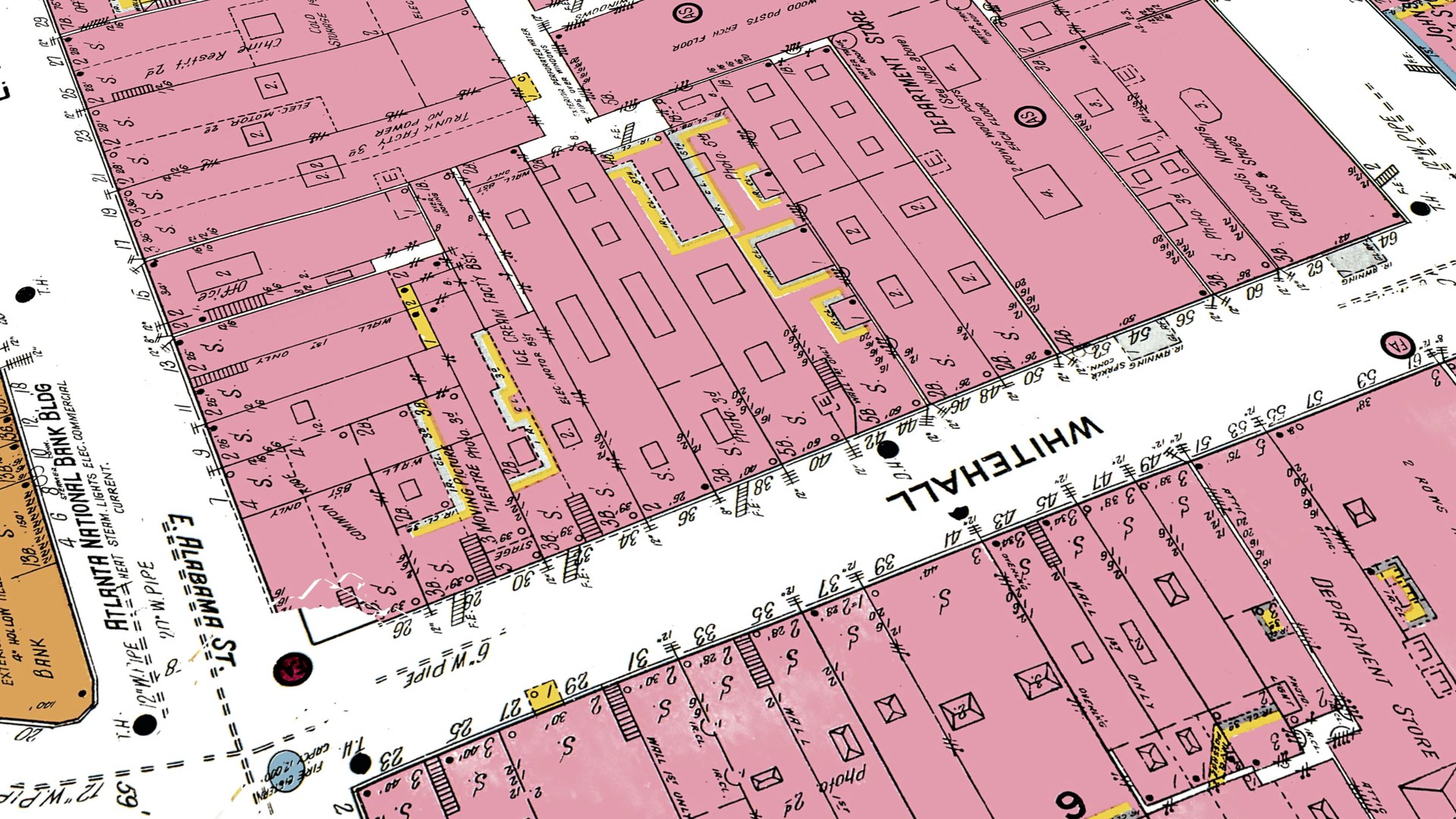
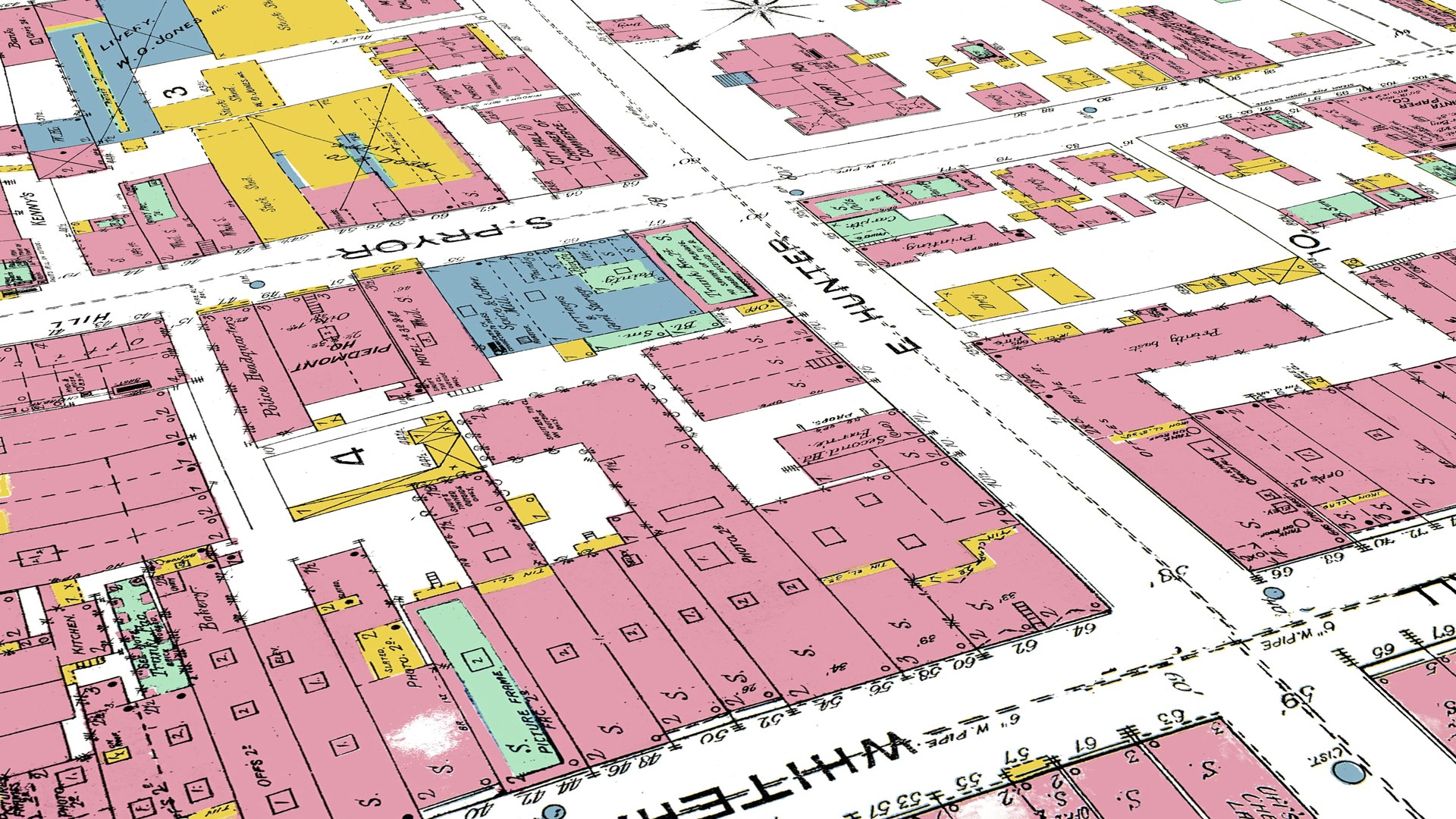
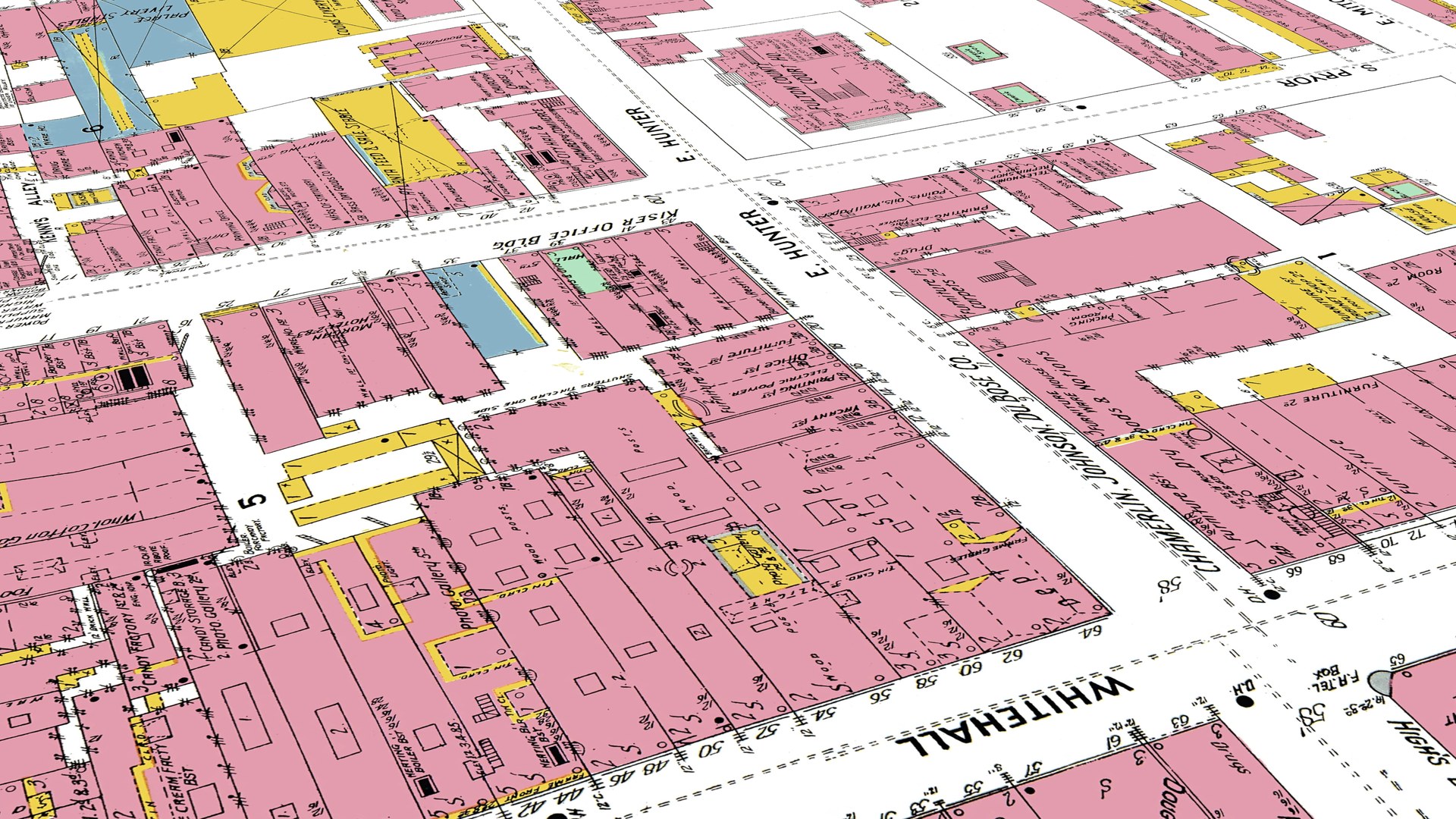
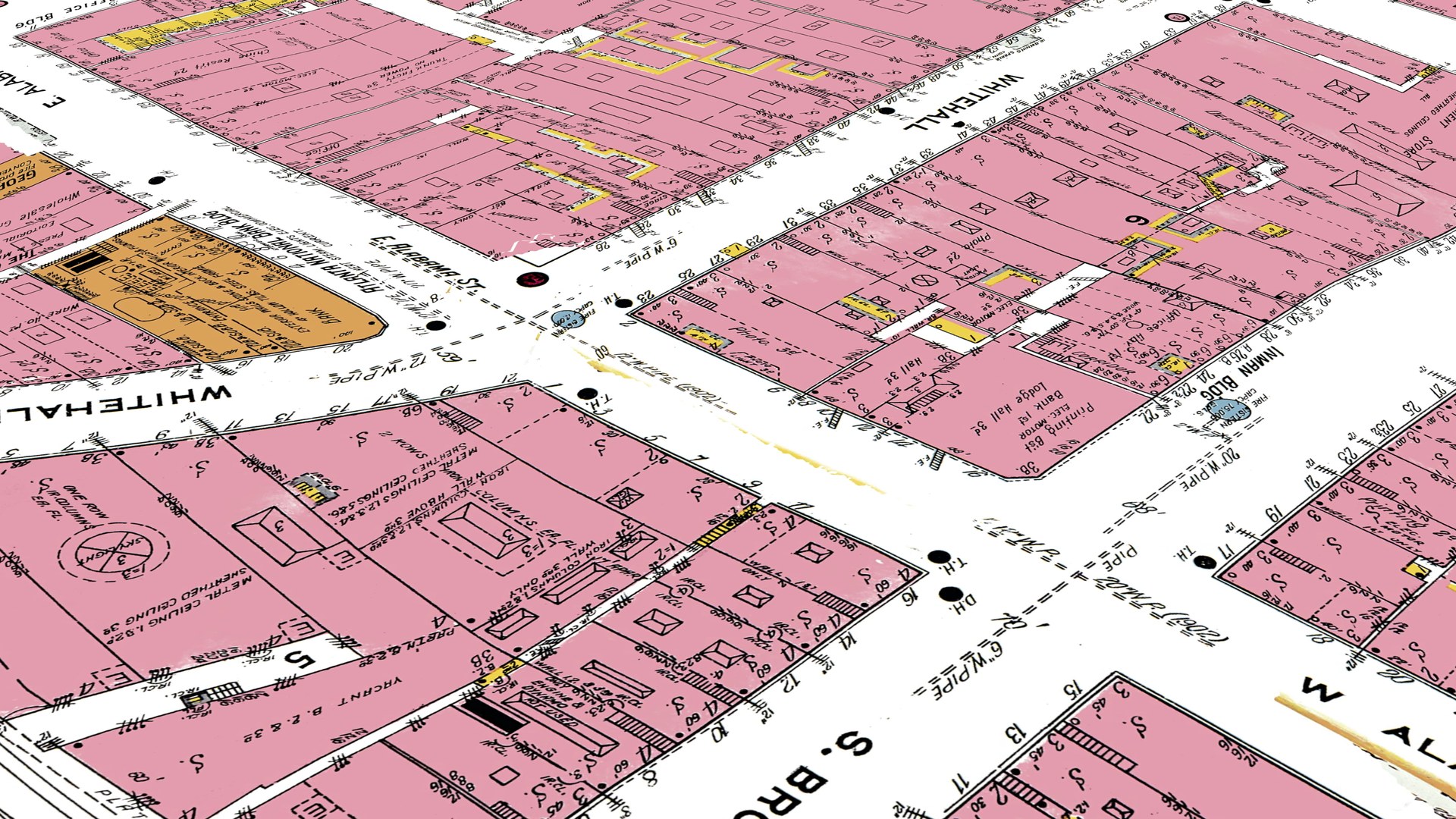
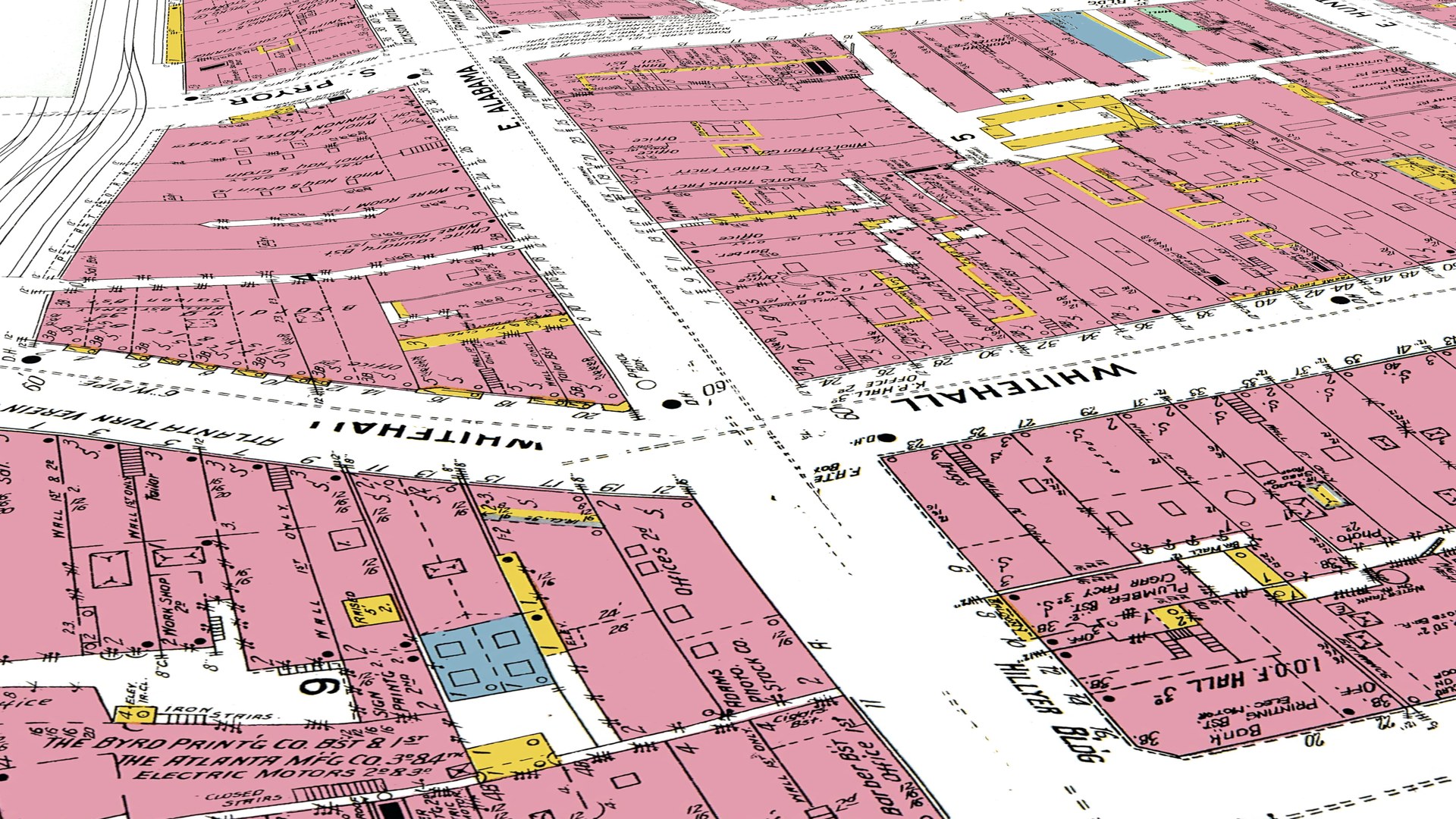
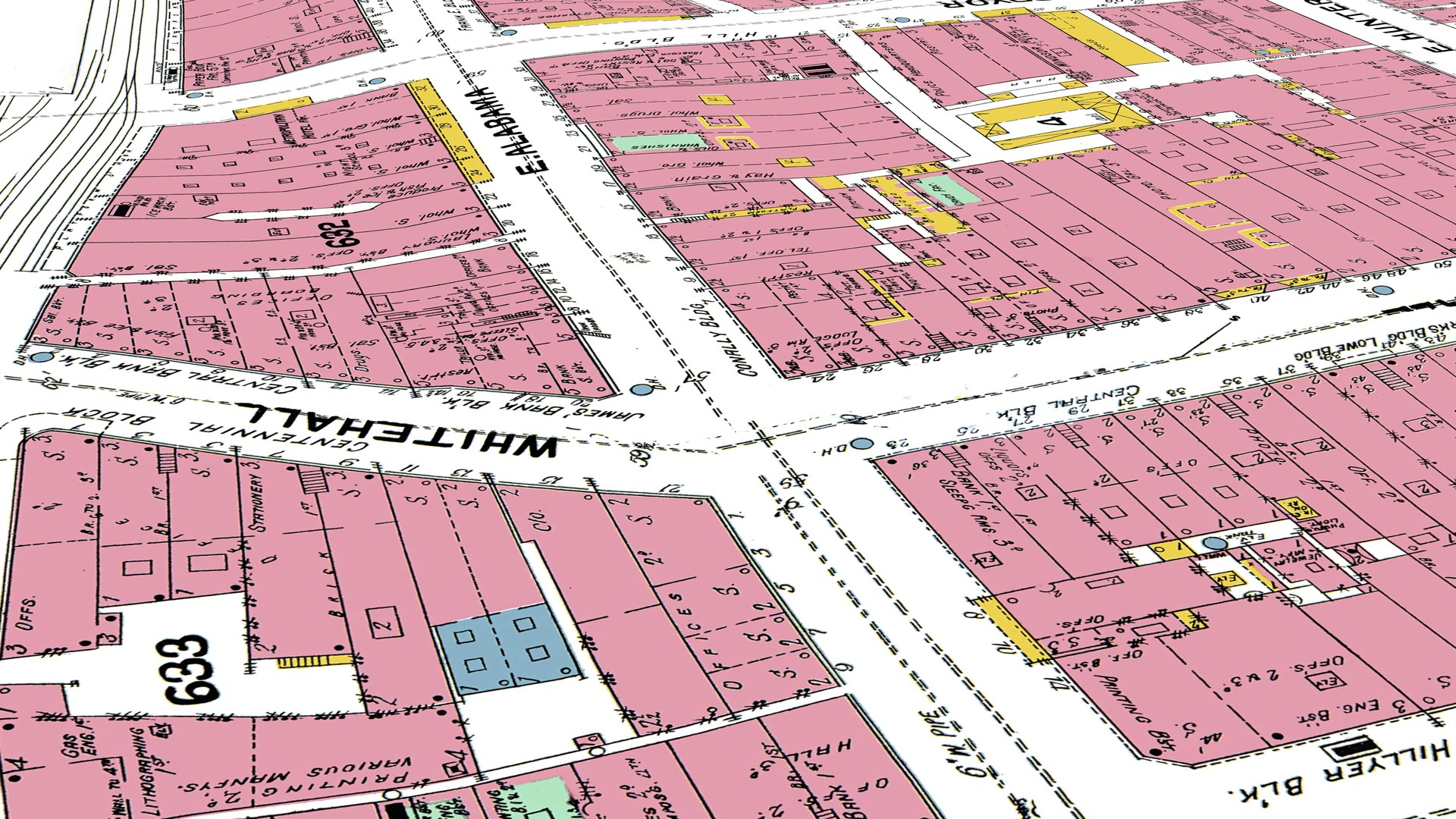
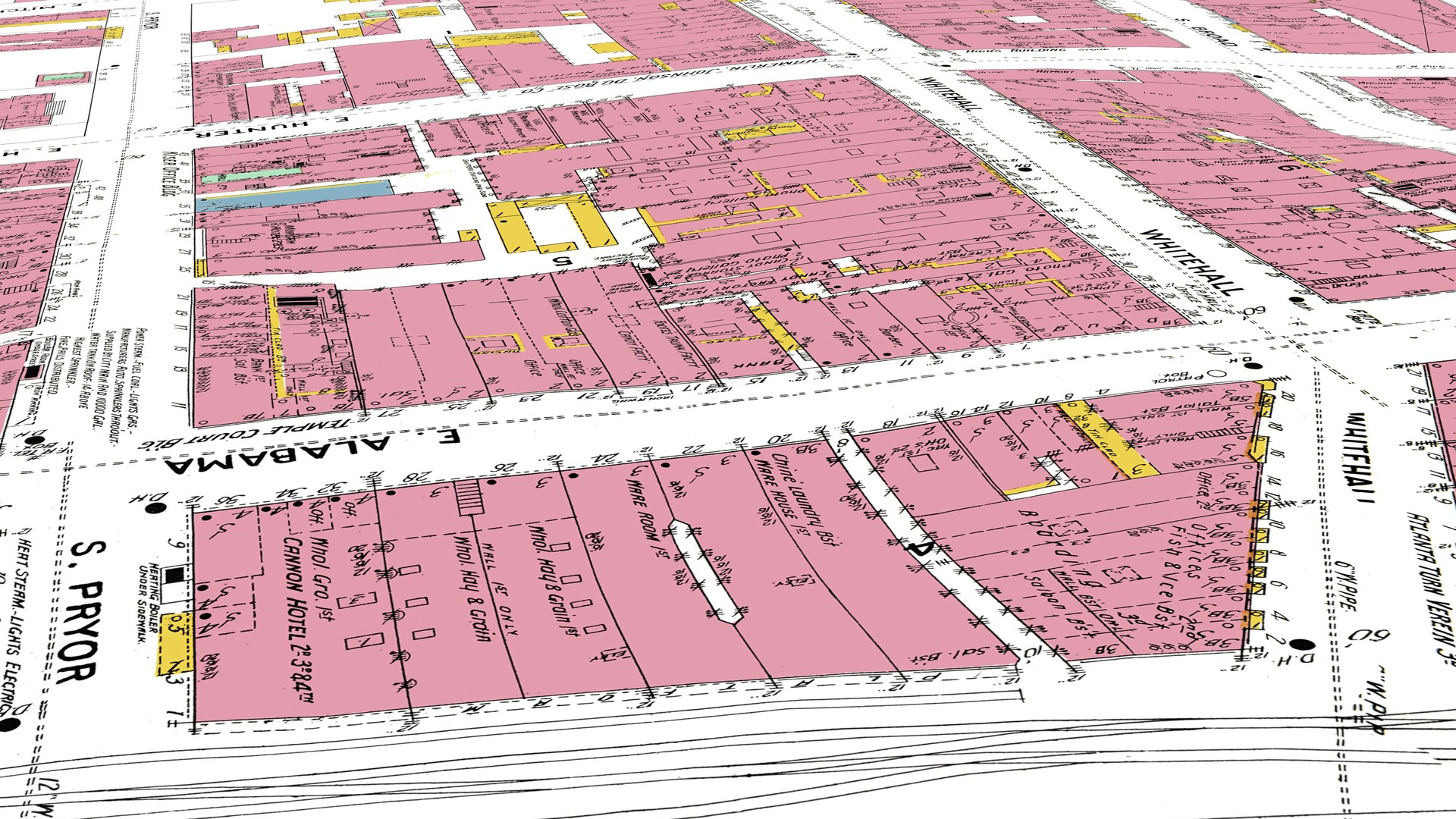
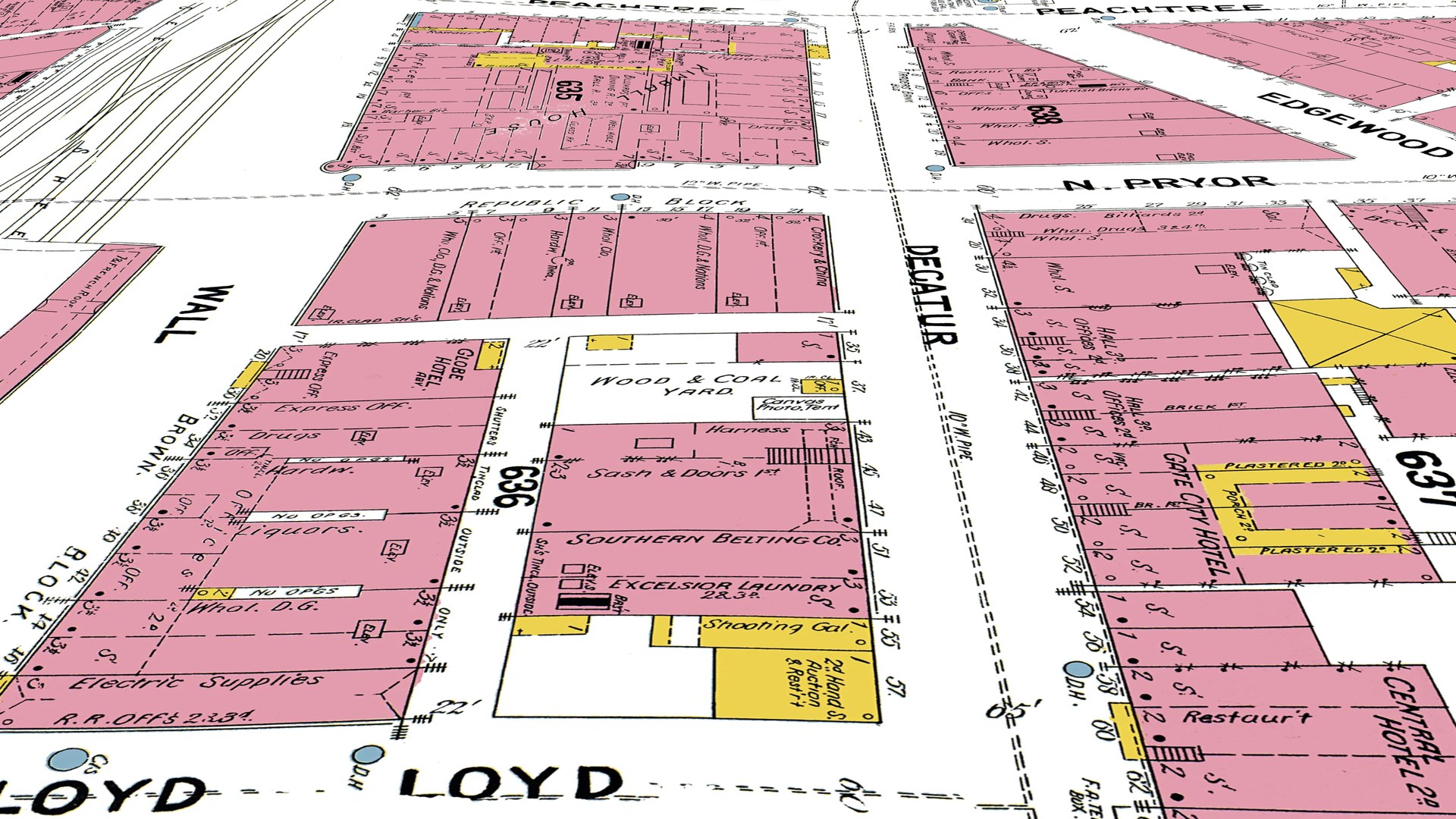
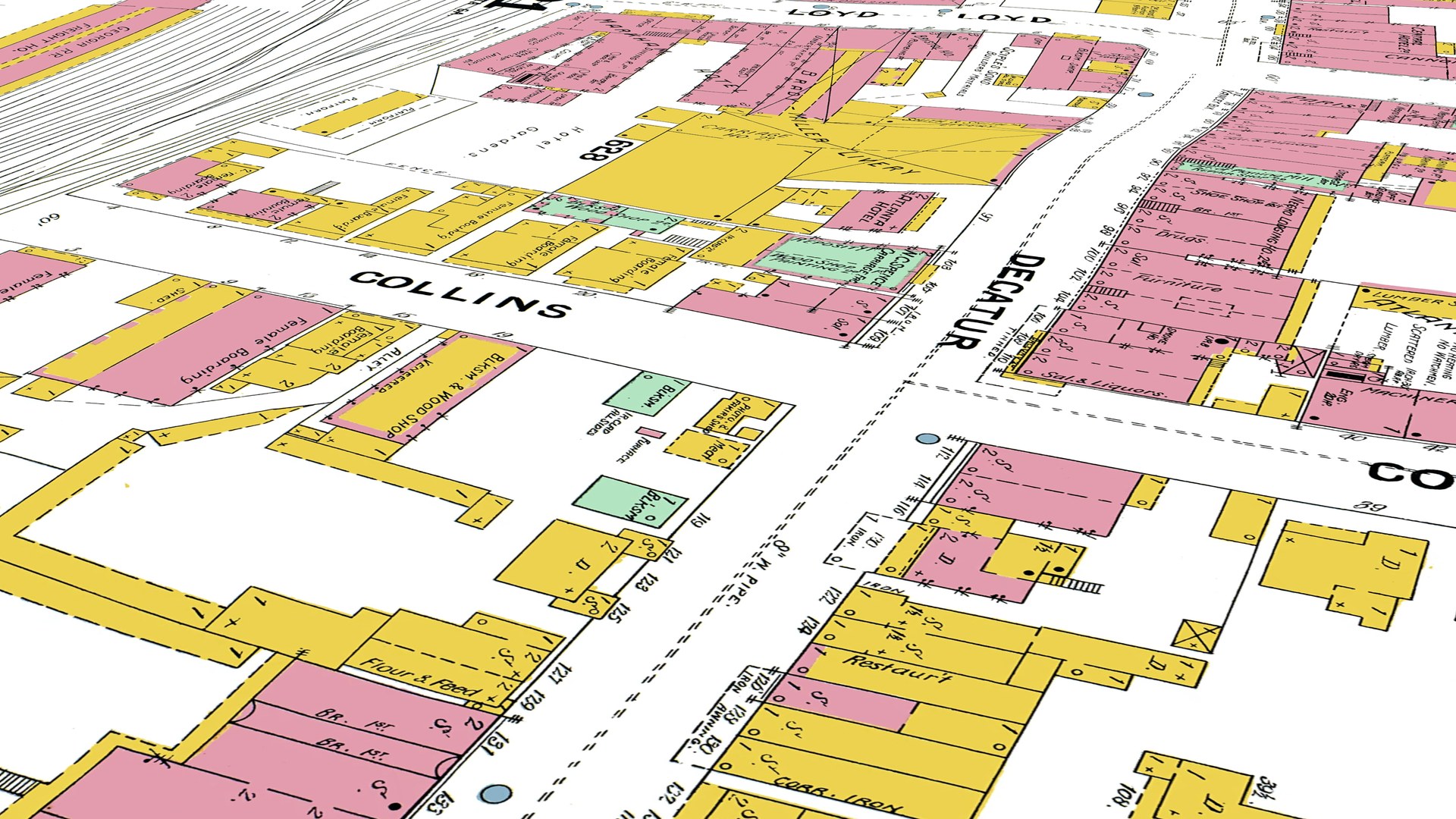
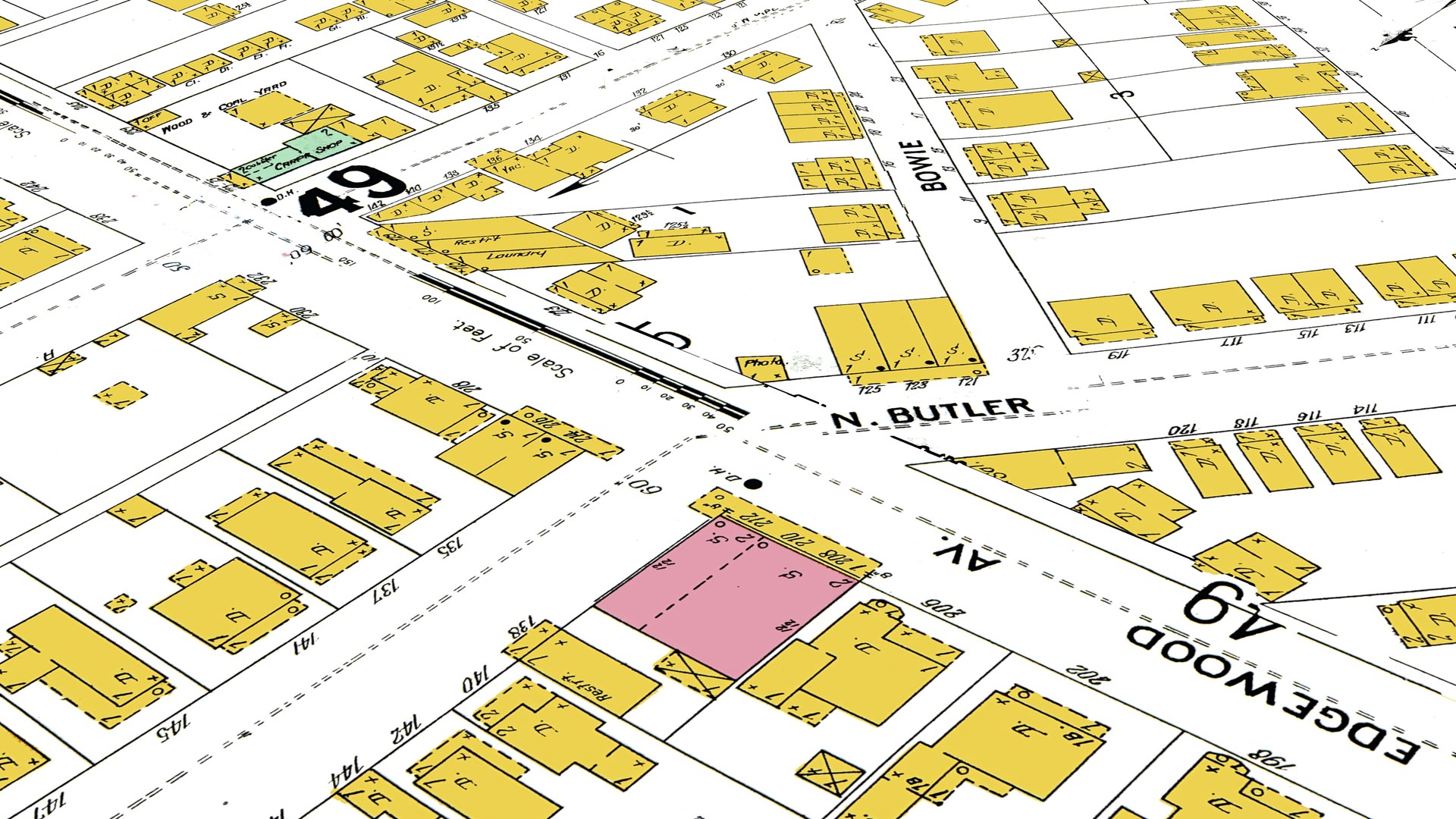
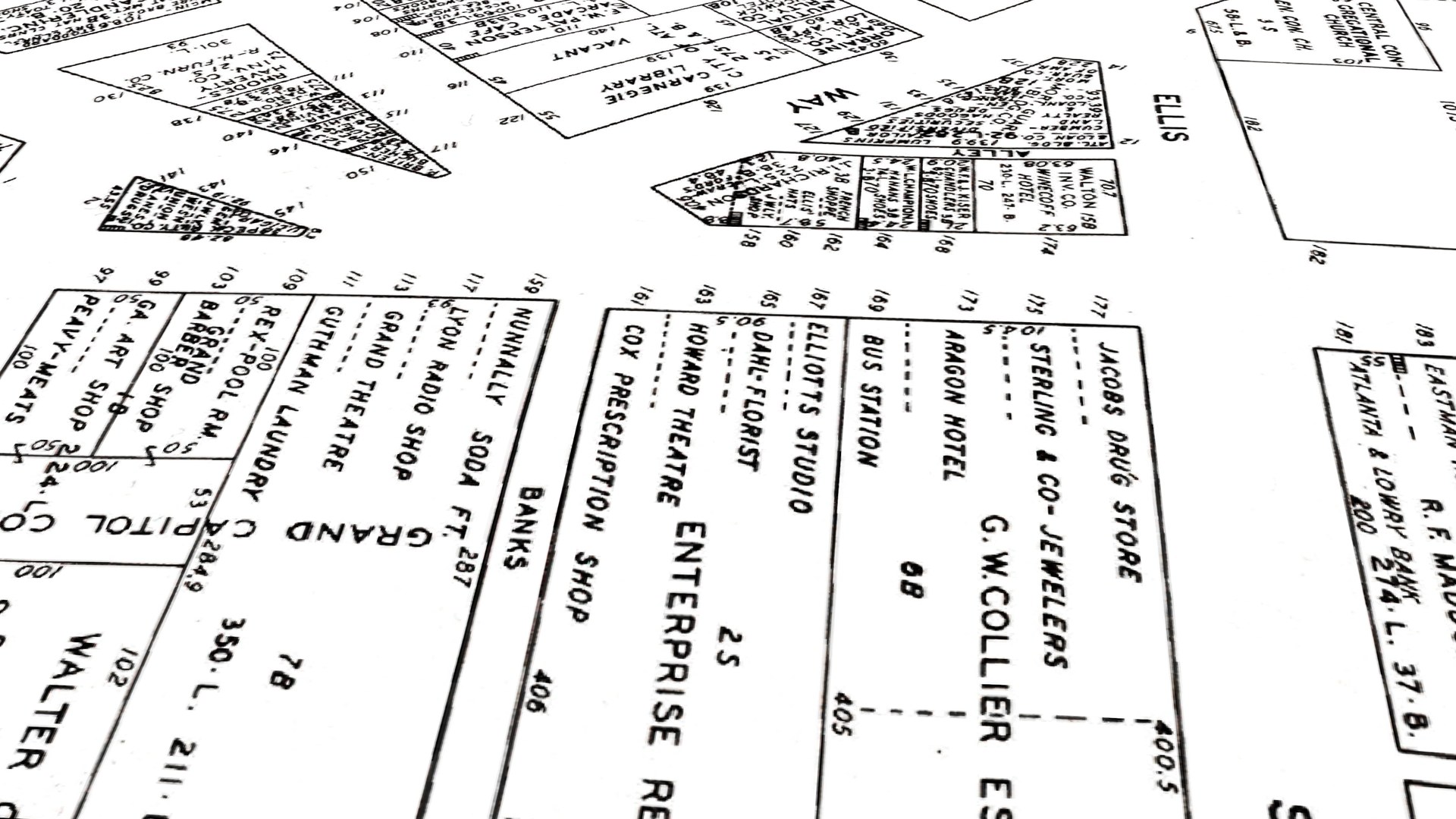
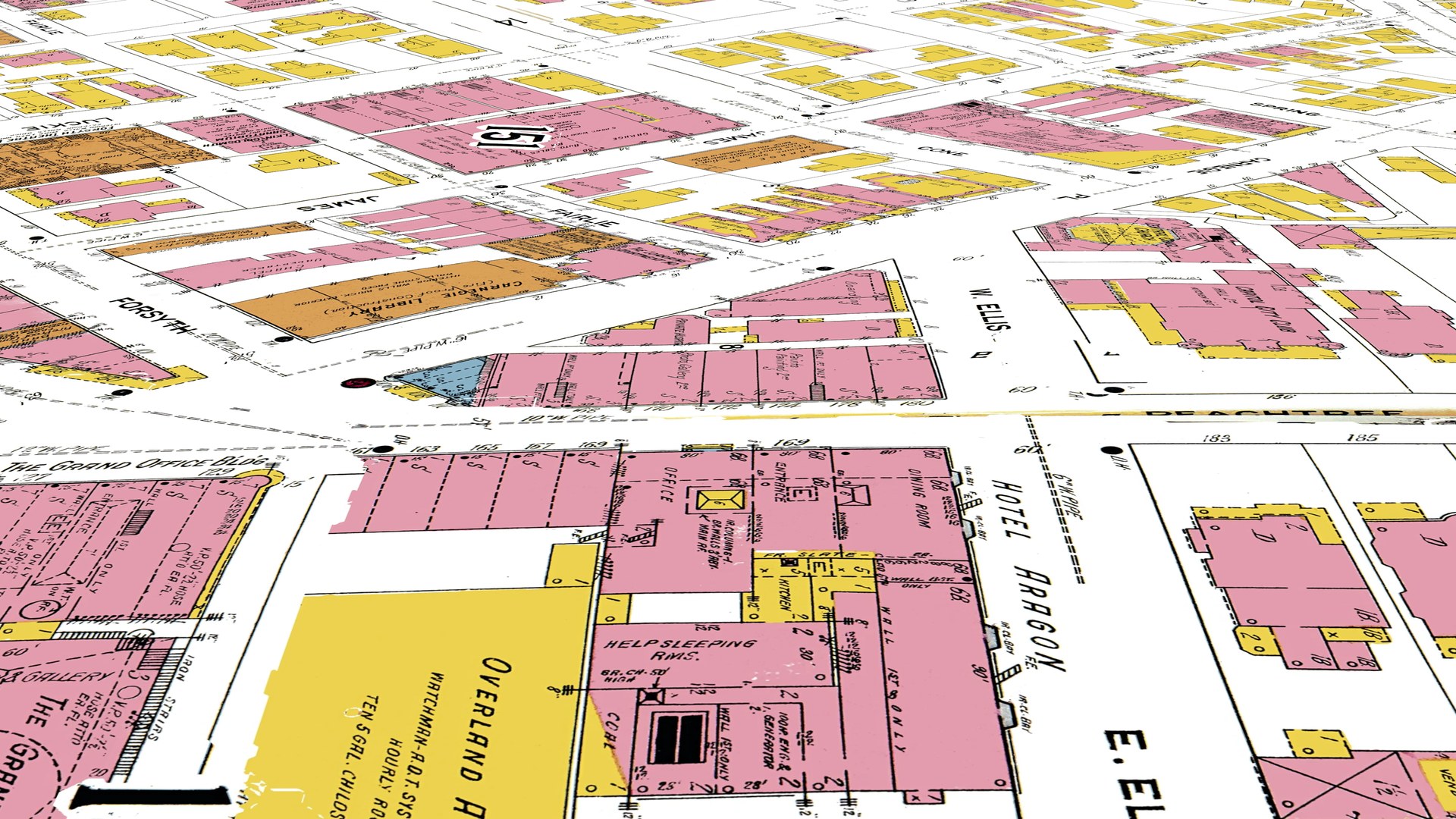
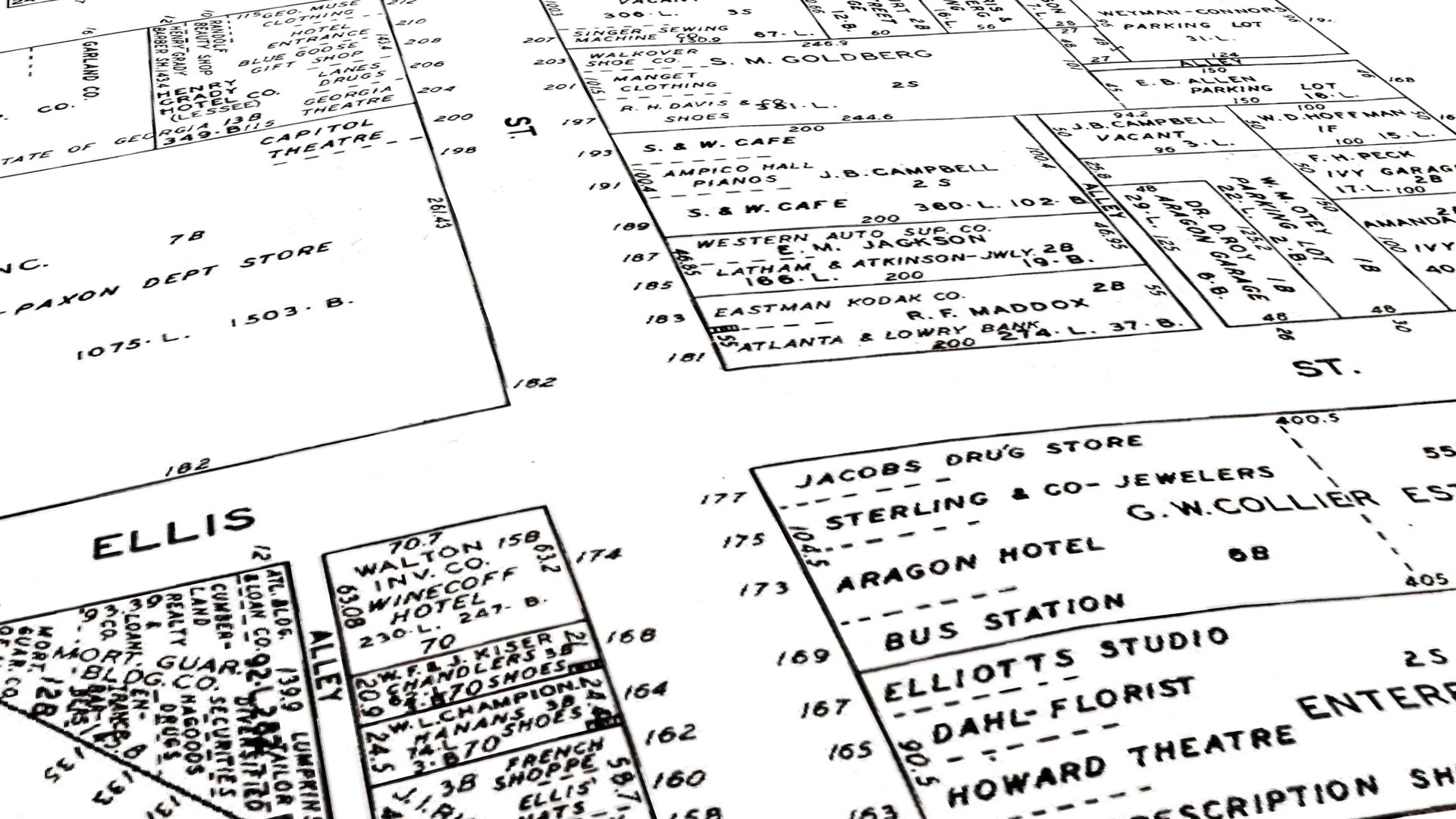
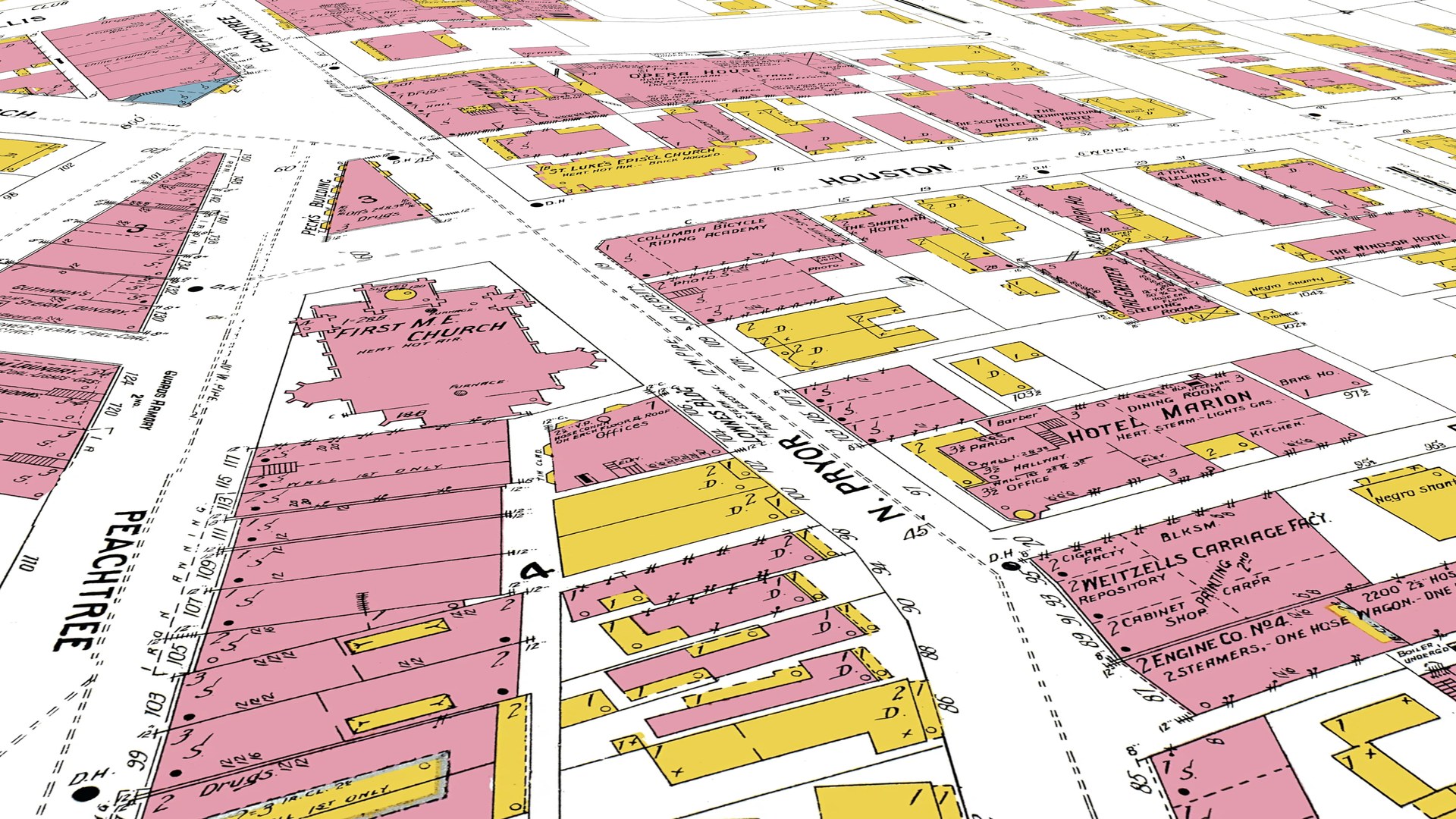
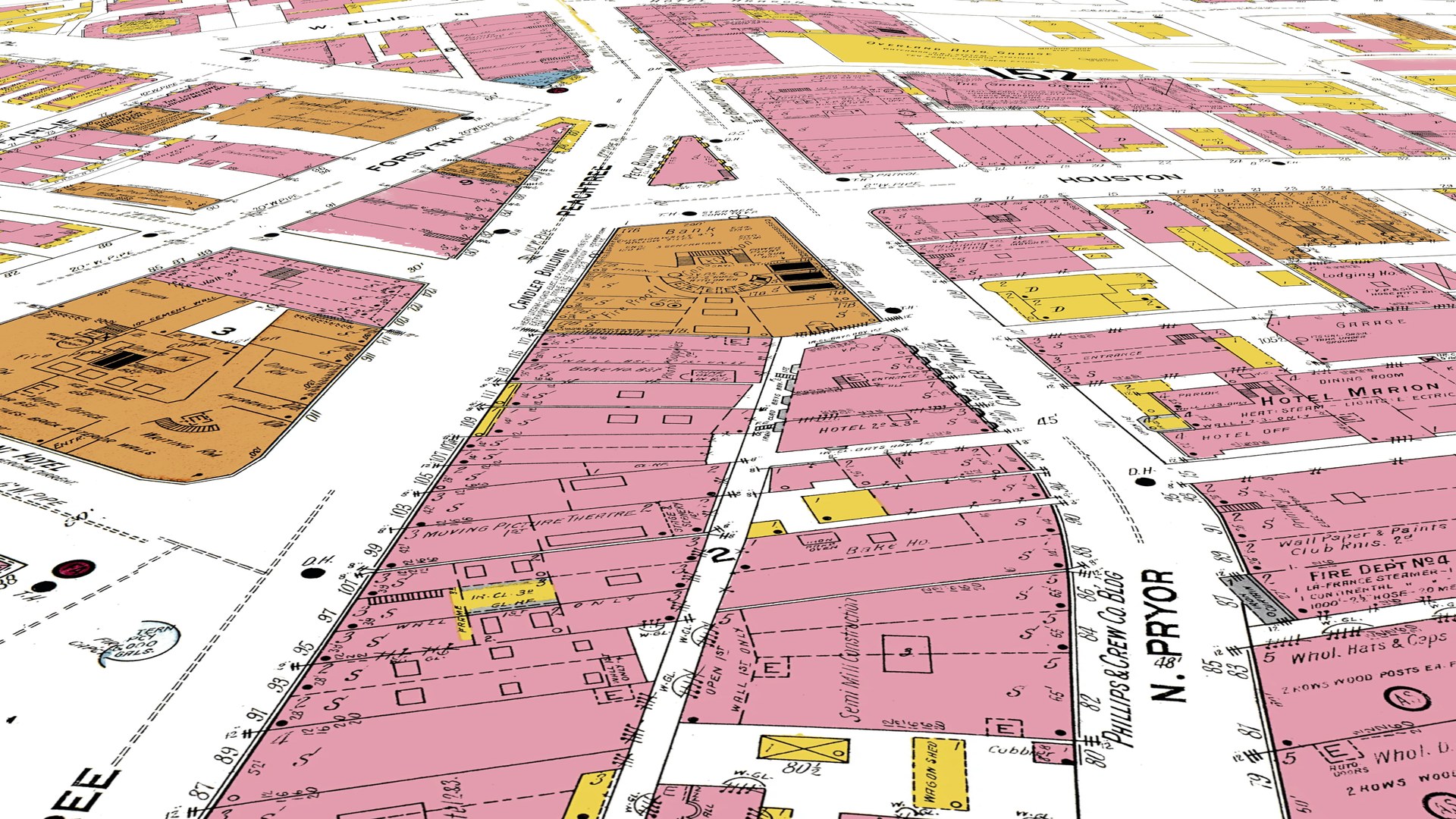
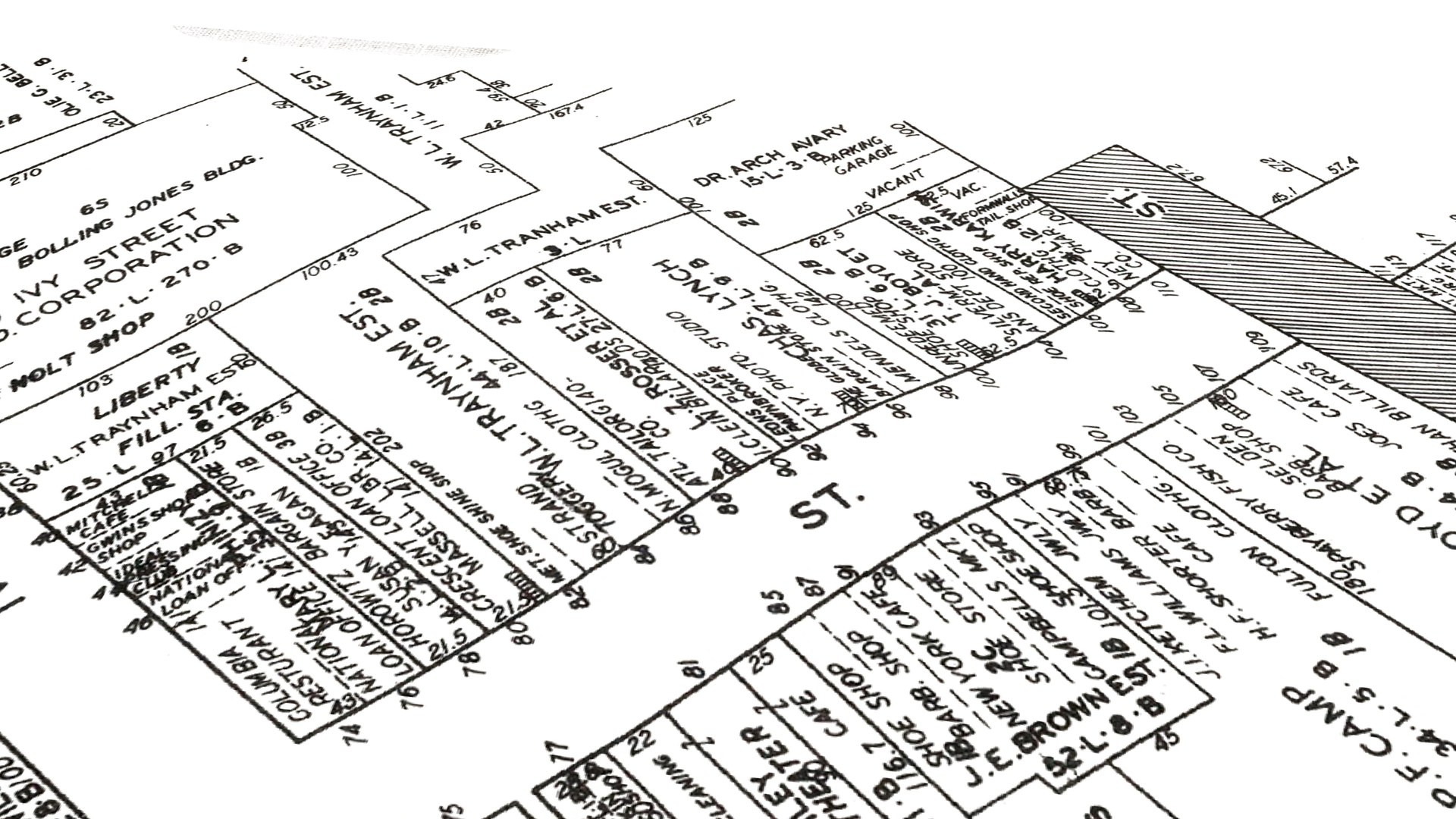
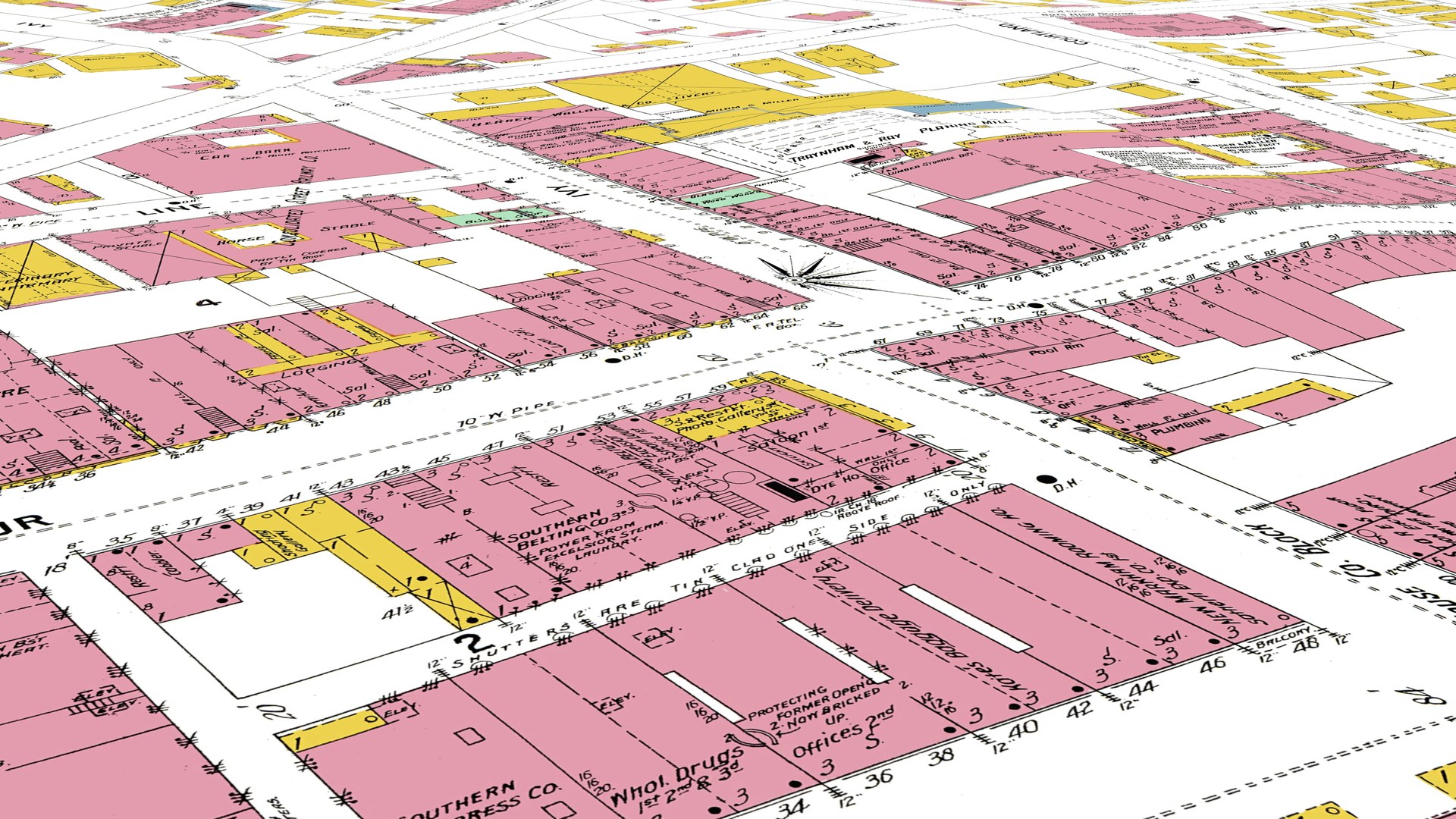
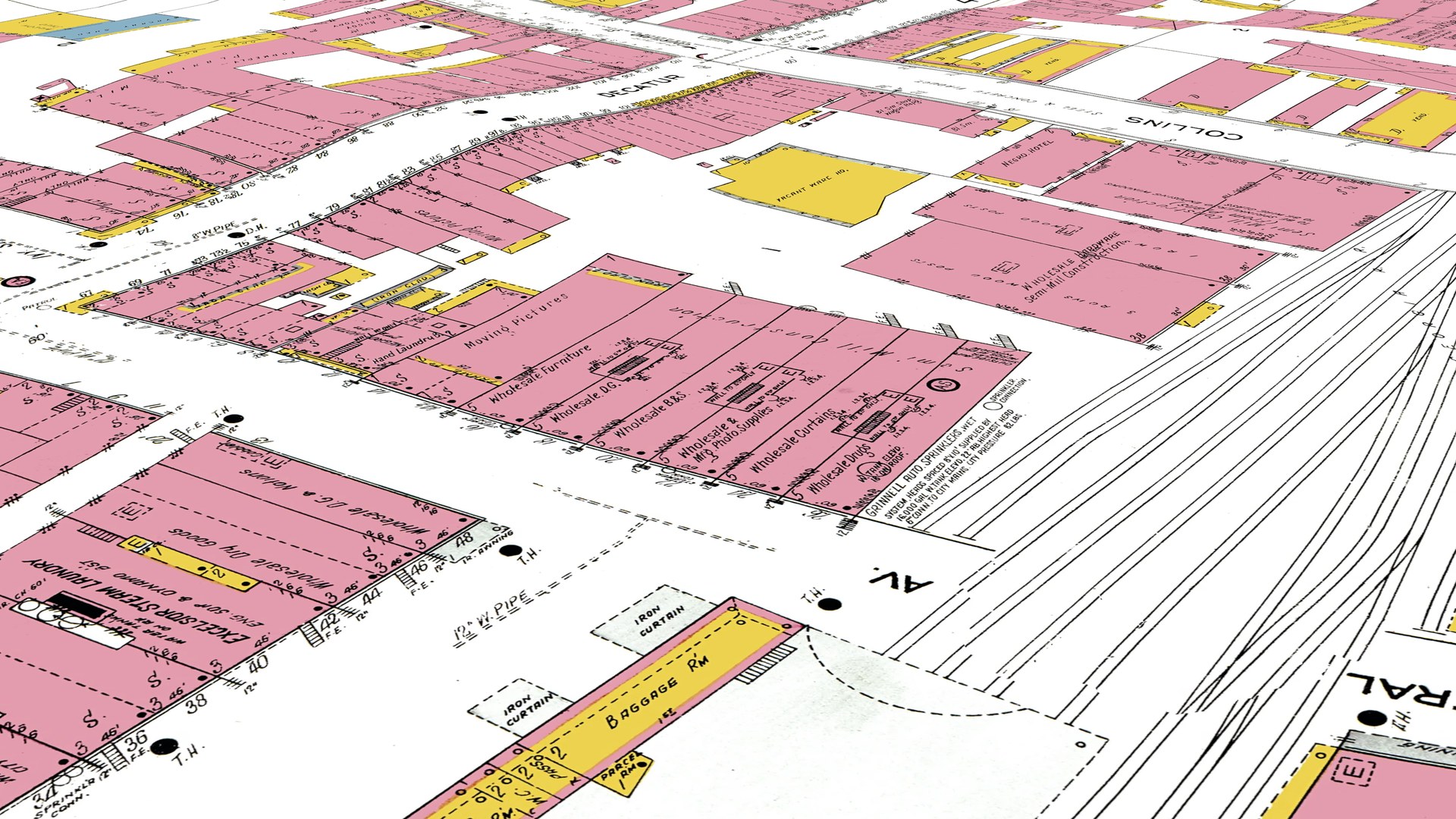
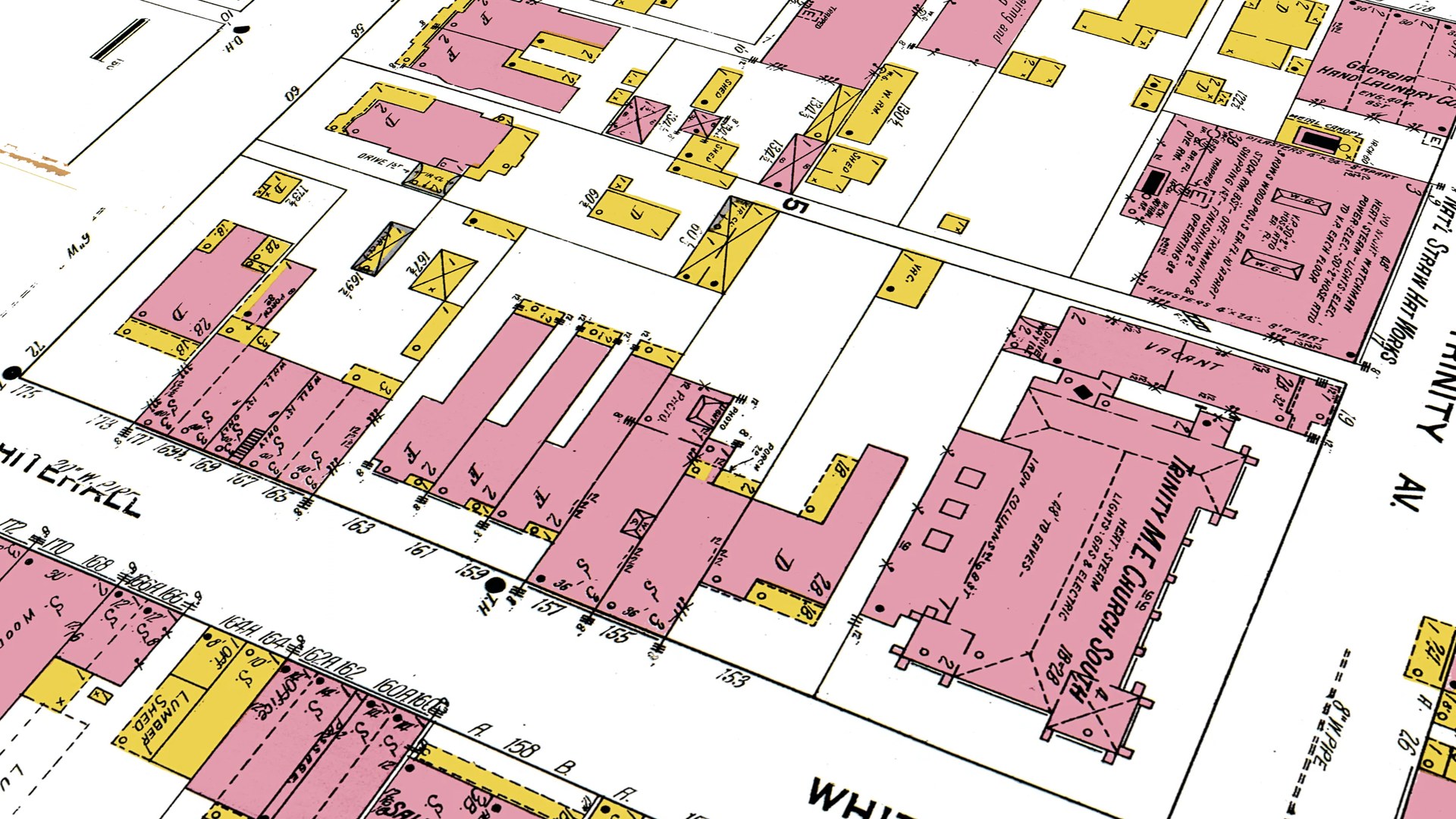
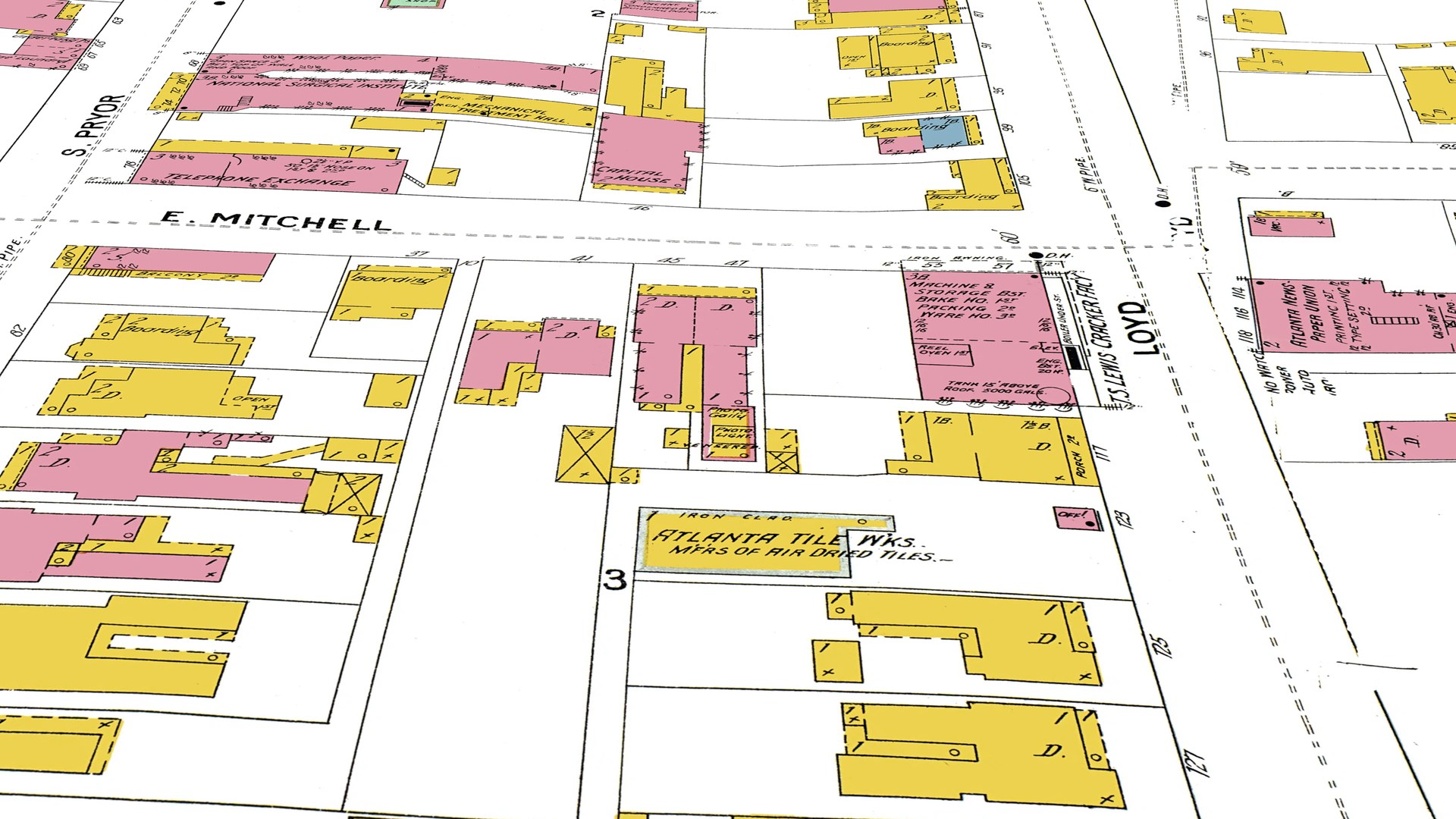
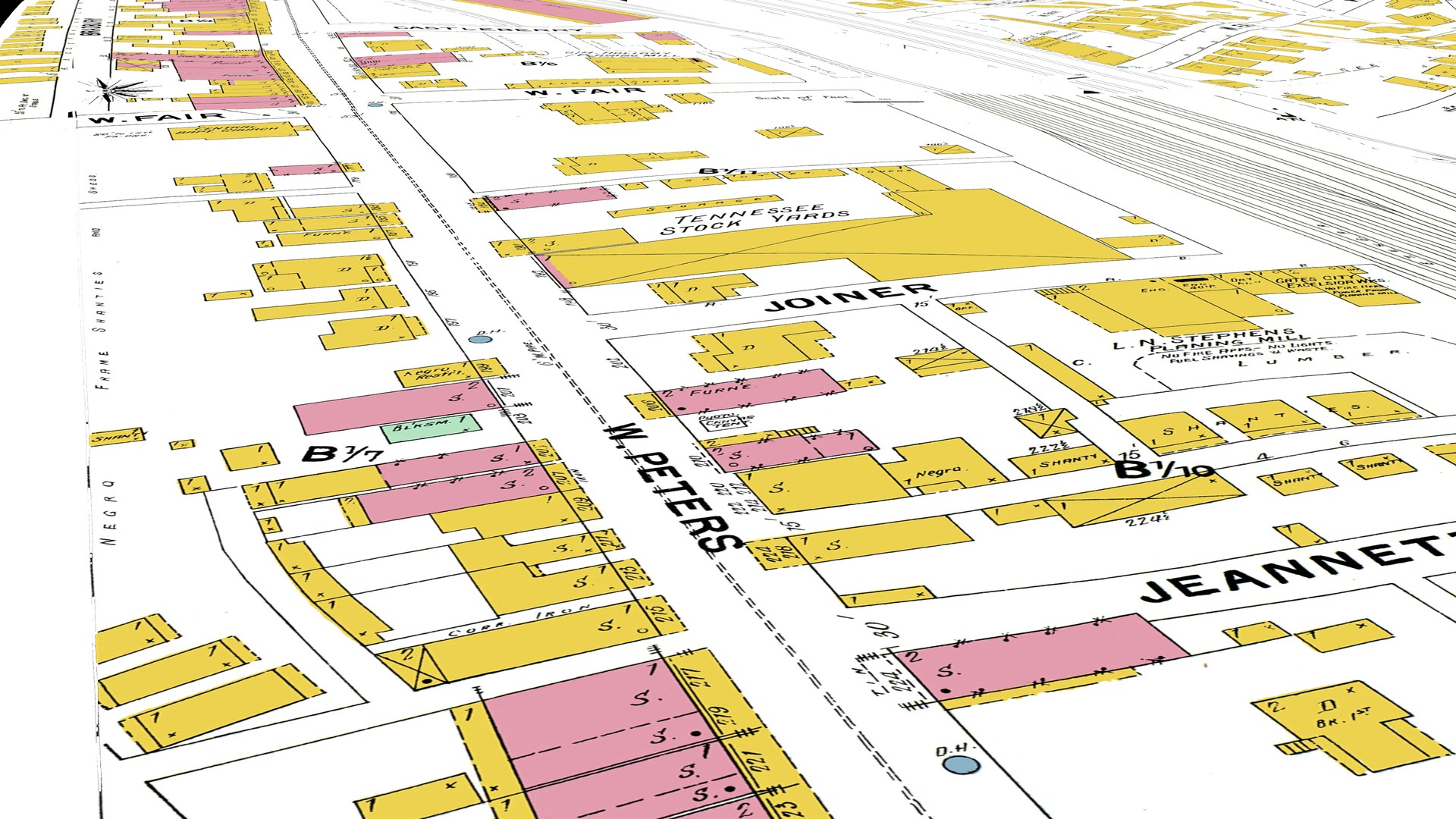

3D imagery: Google
Finding Atlanta’s historic 19th century photography studios
Joel Silverman, November 2026
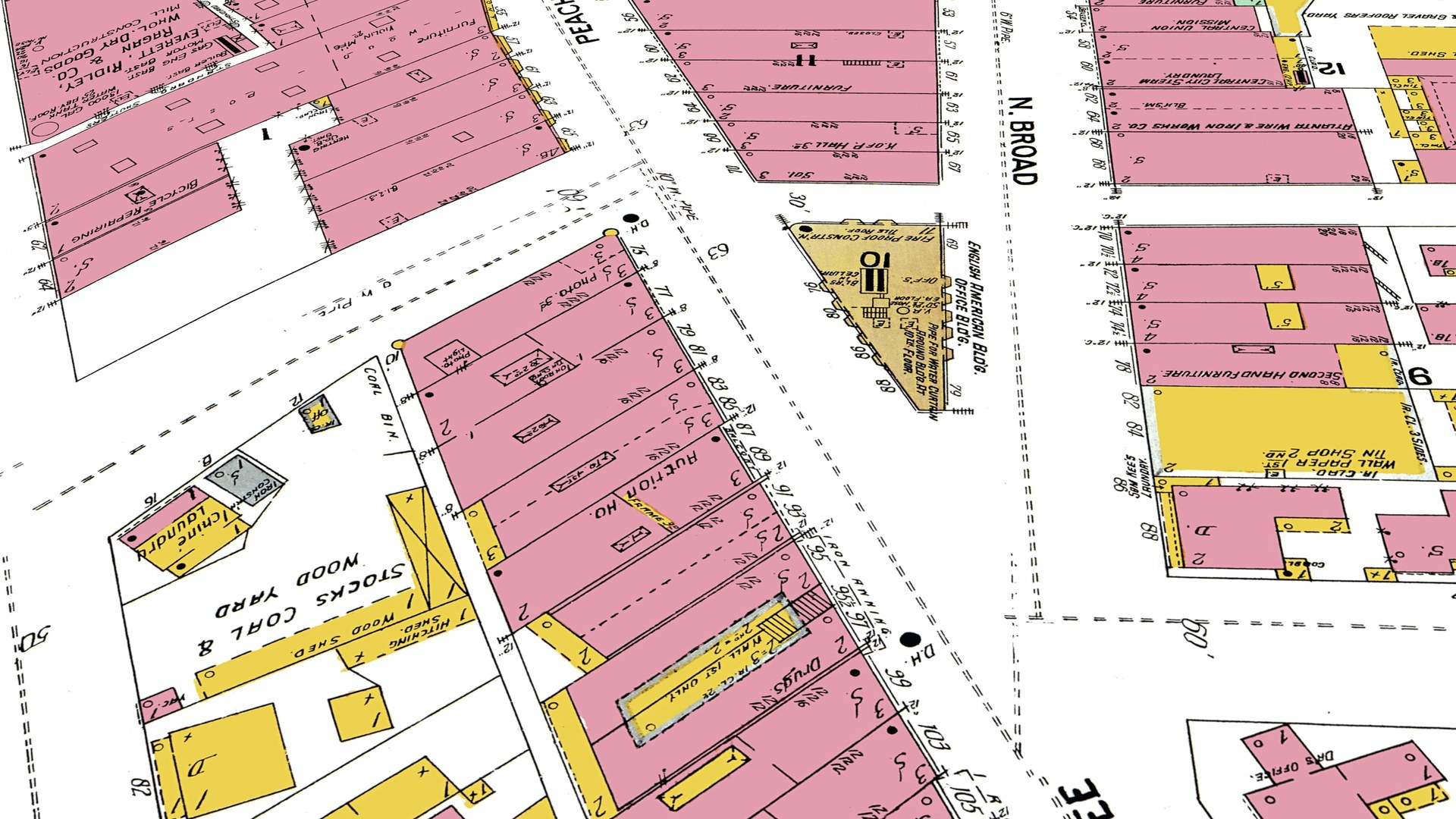
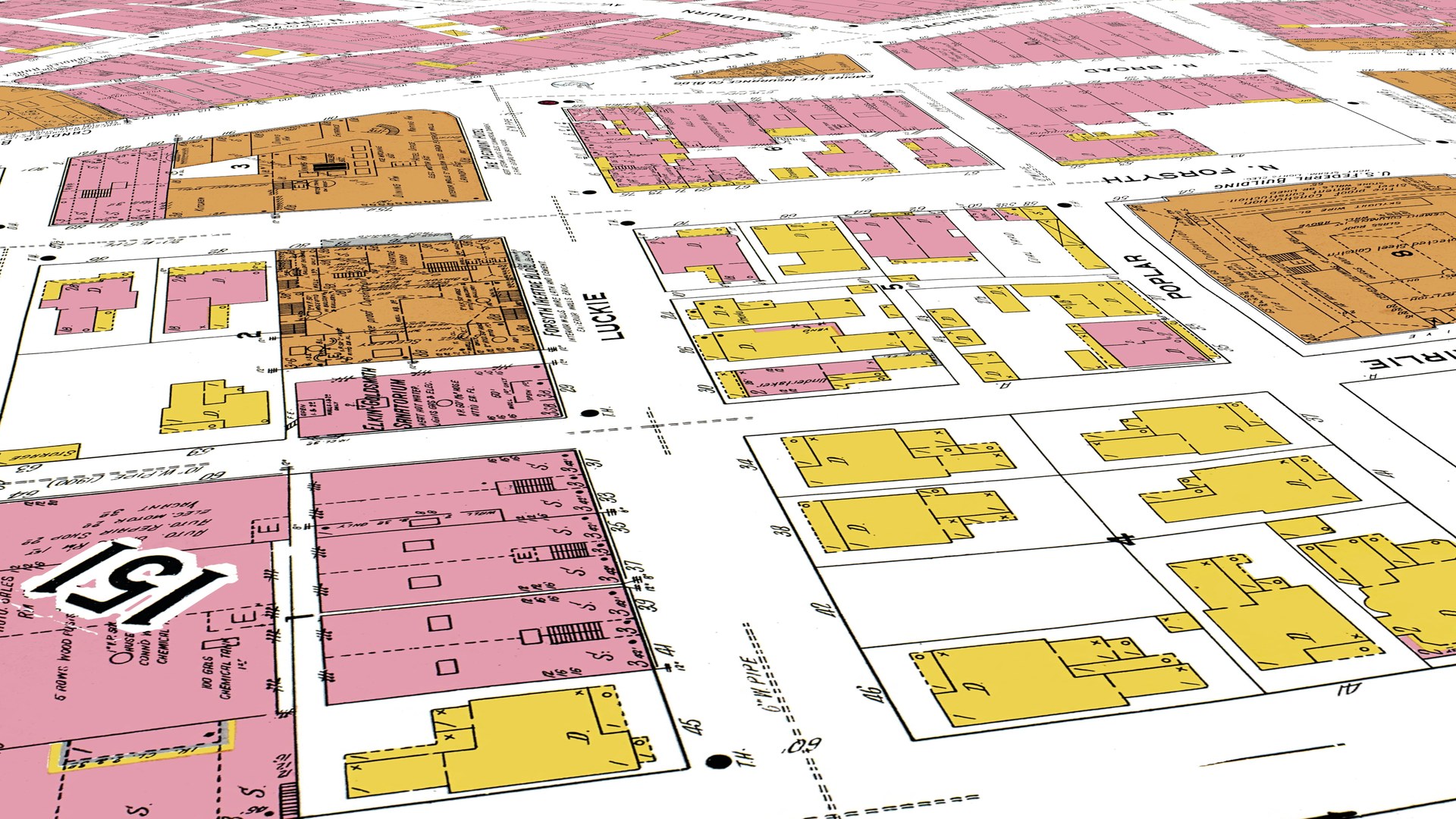
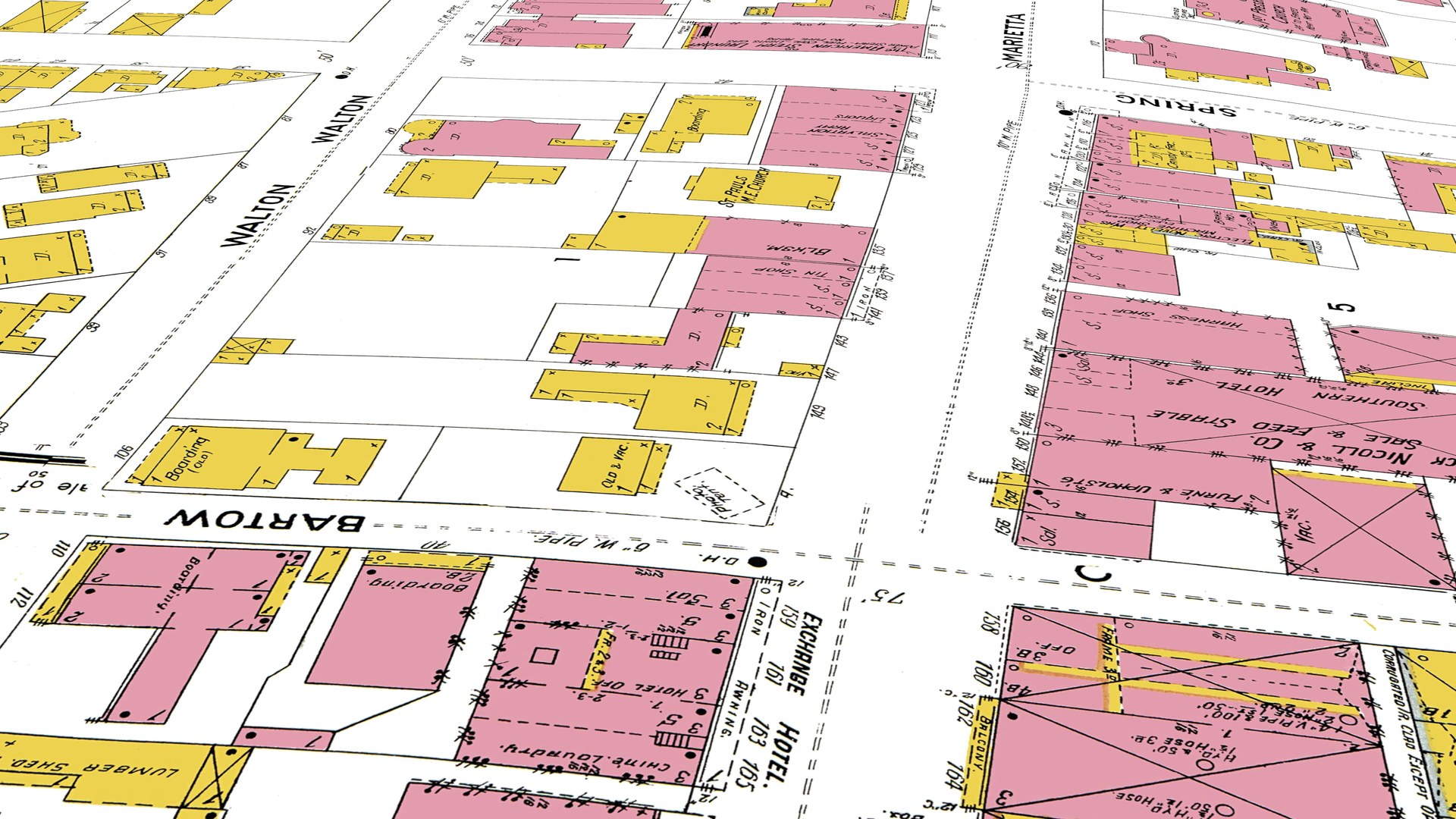
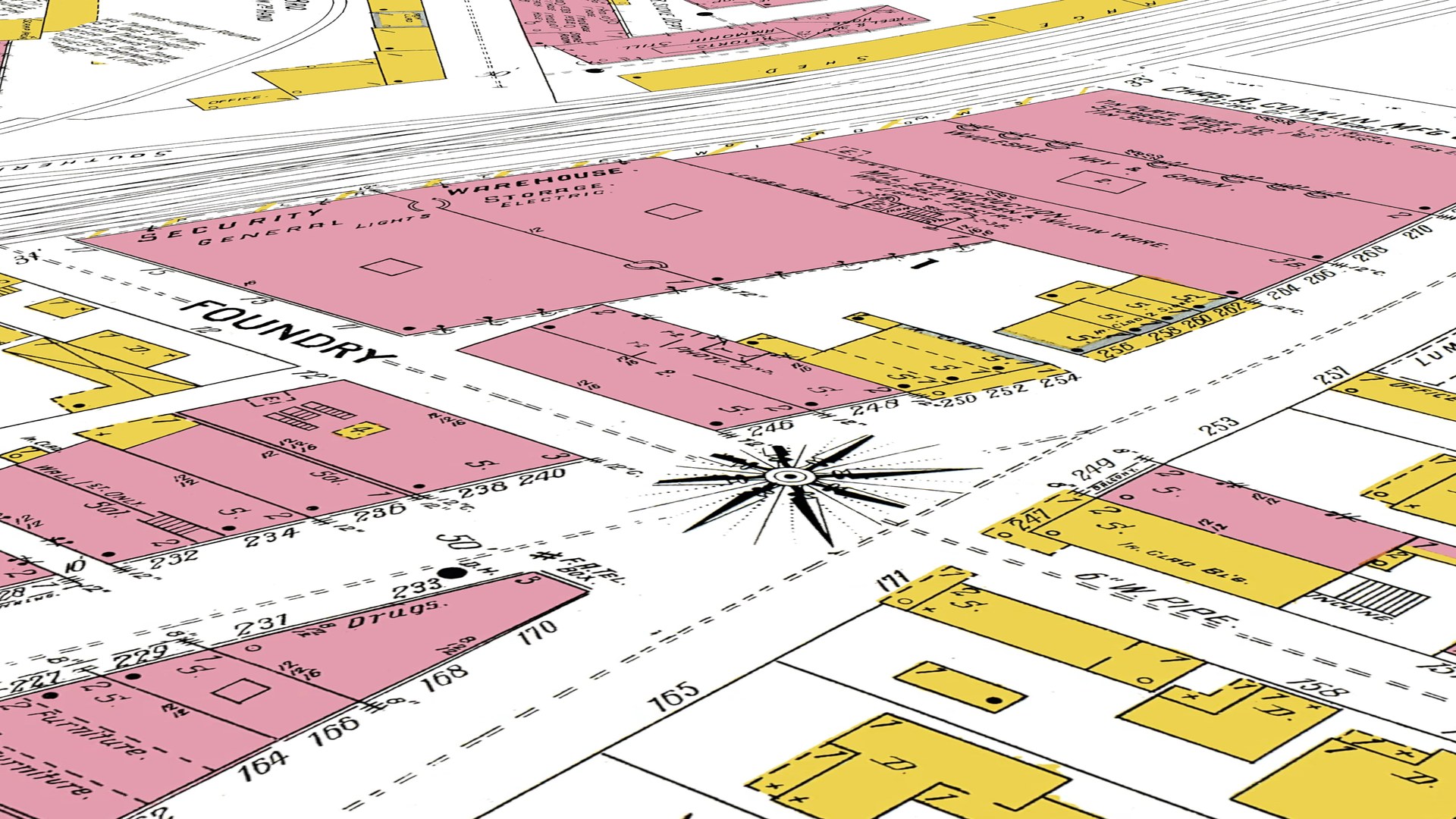
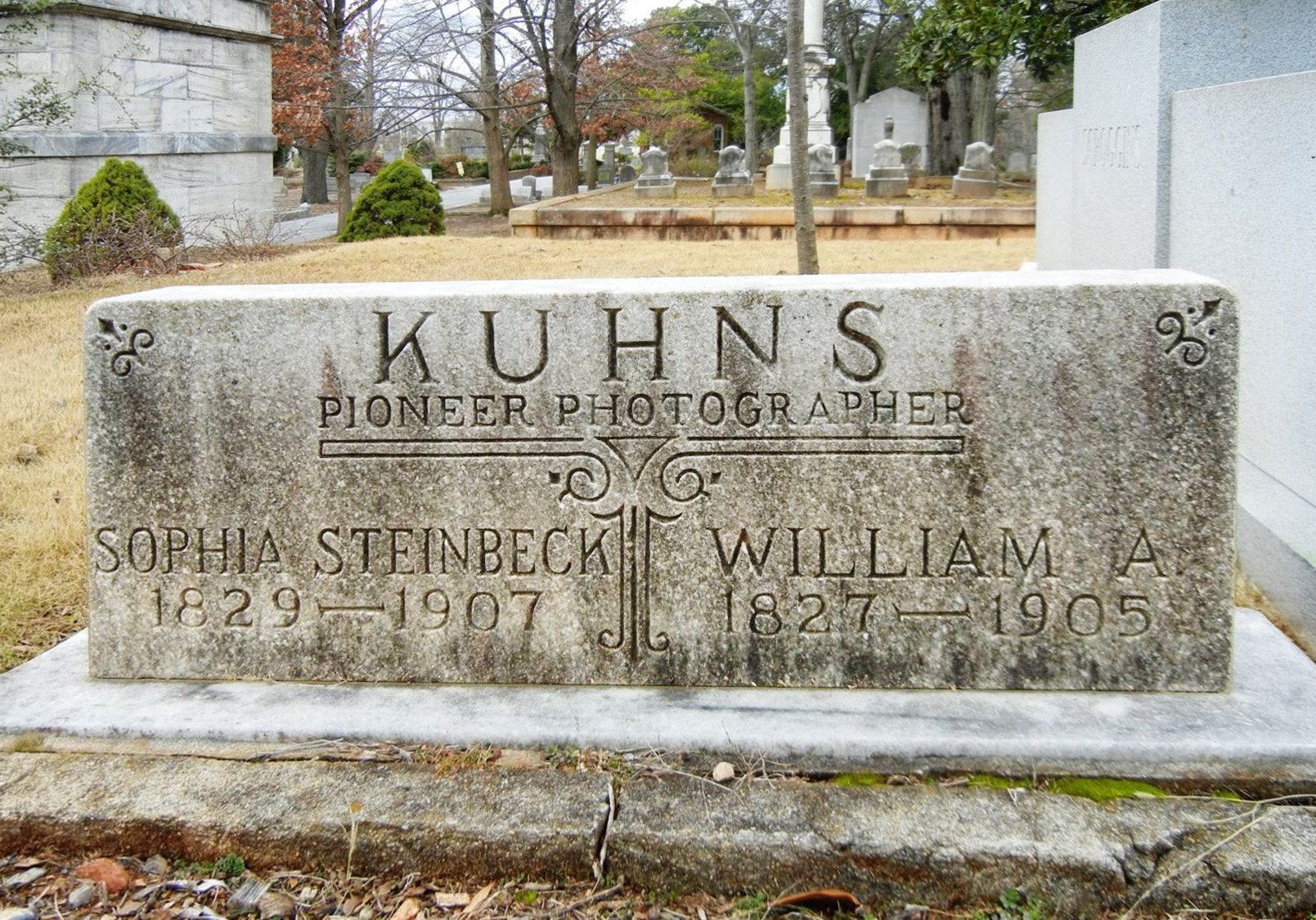
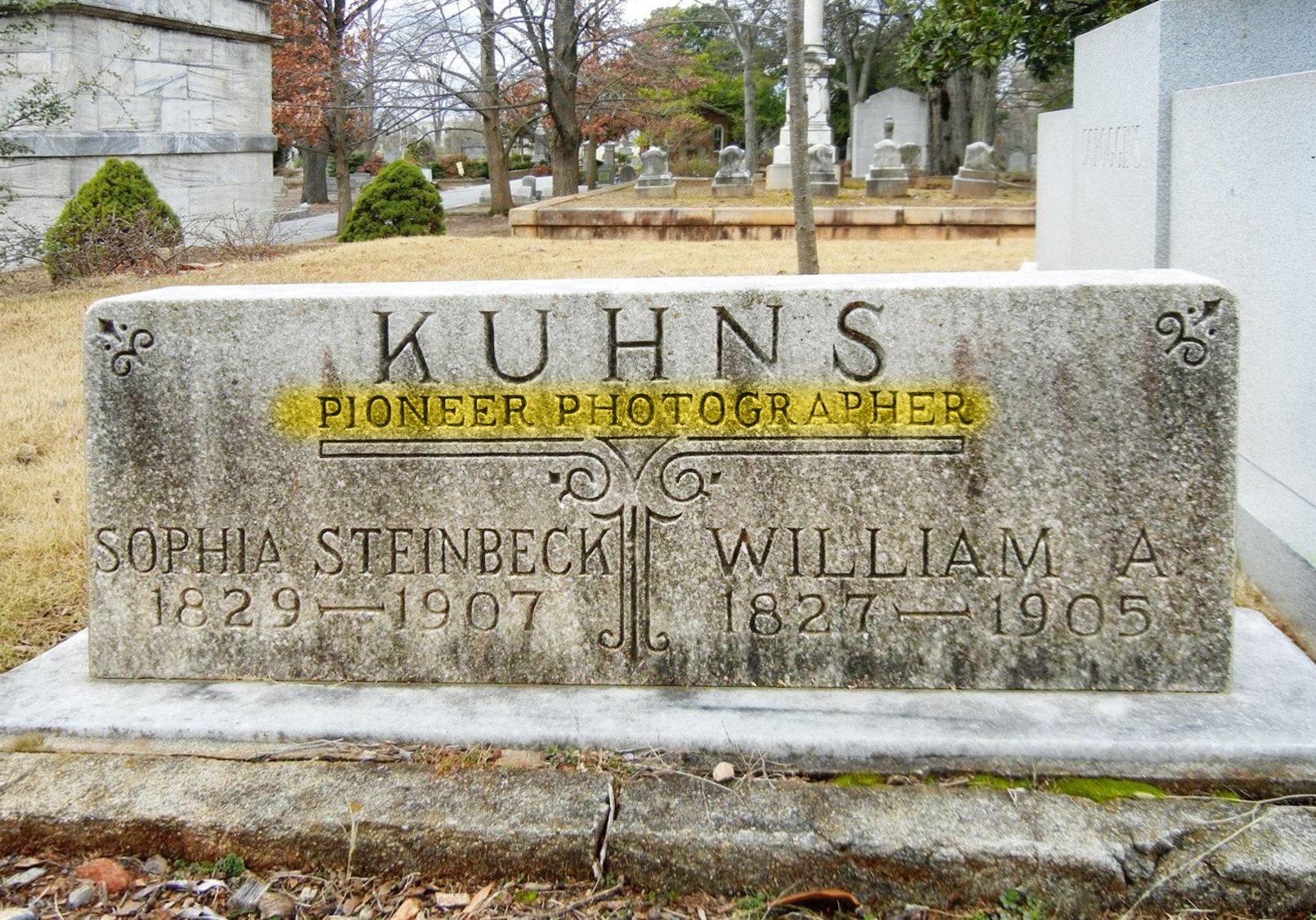
I was in Oakland Cemetery recently and noticed a gravestone for William A. Kuhns (1827-1905) with the title “PIONEER PHOTOGRAPHER.” Not cool at all, Kuhns, because I had that in mind for my own epitaph one day, but it did get me wondering where Kuhns had his studio. It turns out that Atlanta had a thriving photo district on Peachtree Street as early as the 1850s, with eventually thirty‑five (!) photo studios competing to make portraits in the early days before Kodak made cameras available to the masses.
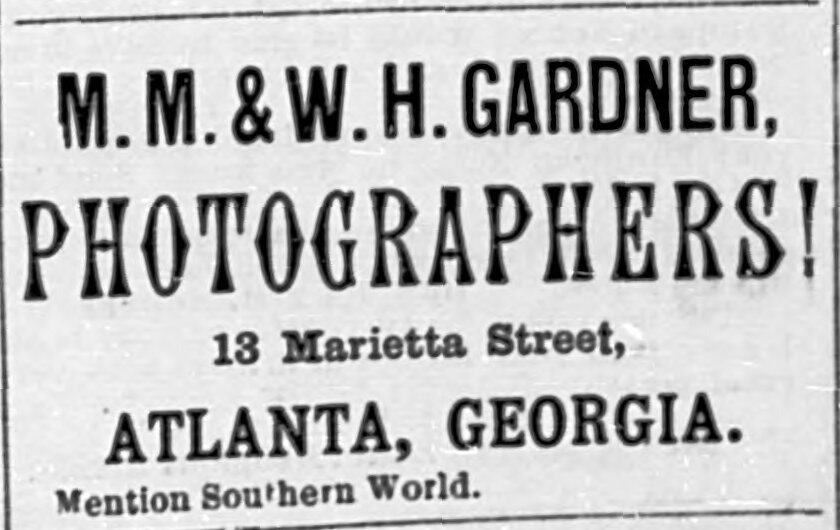
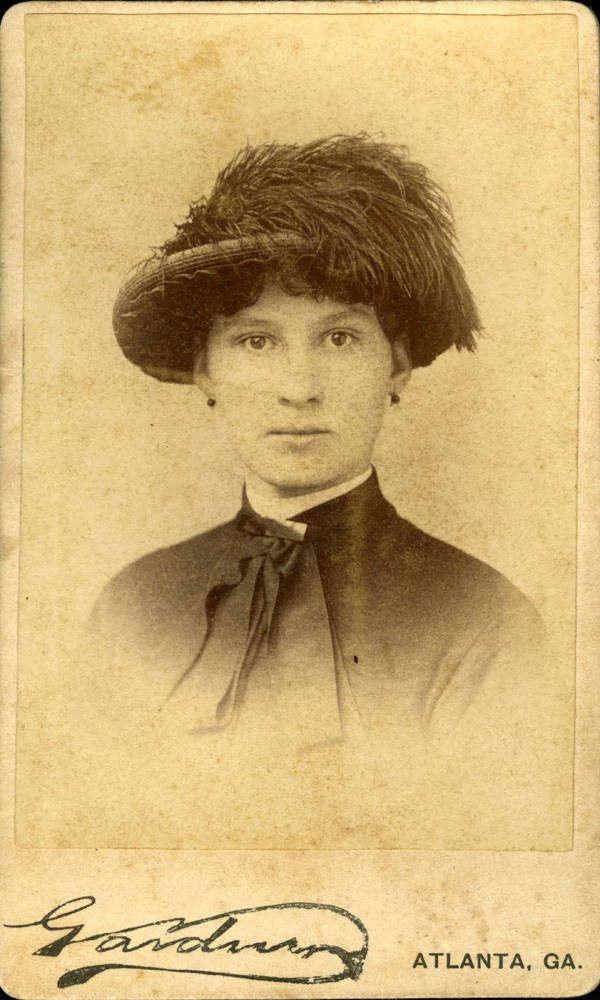
1. Moses M. & William H. Gardner, Photographers. 59 Marietta Street (then known as 13 Marietta) · 1886 and 1892
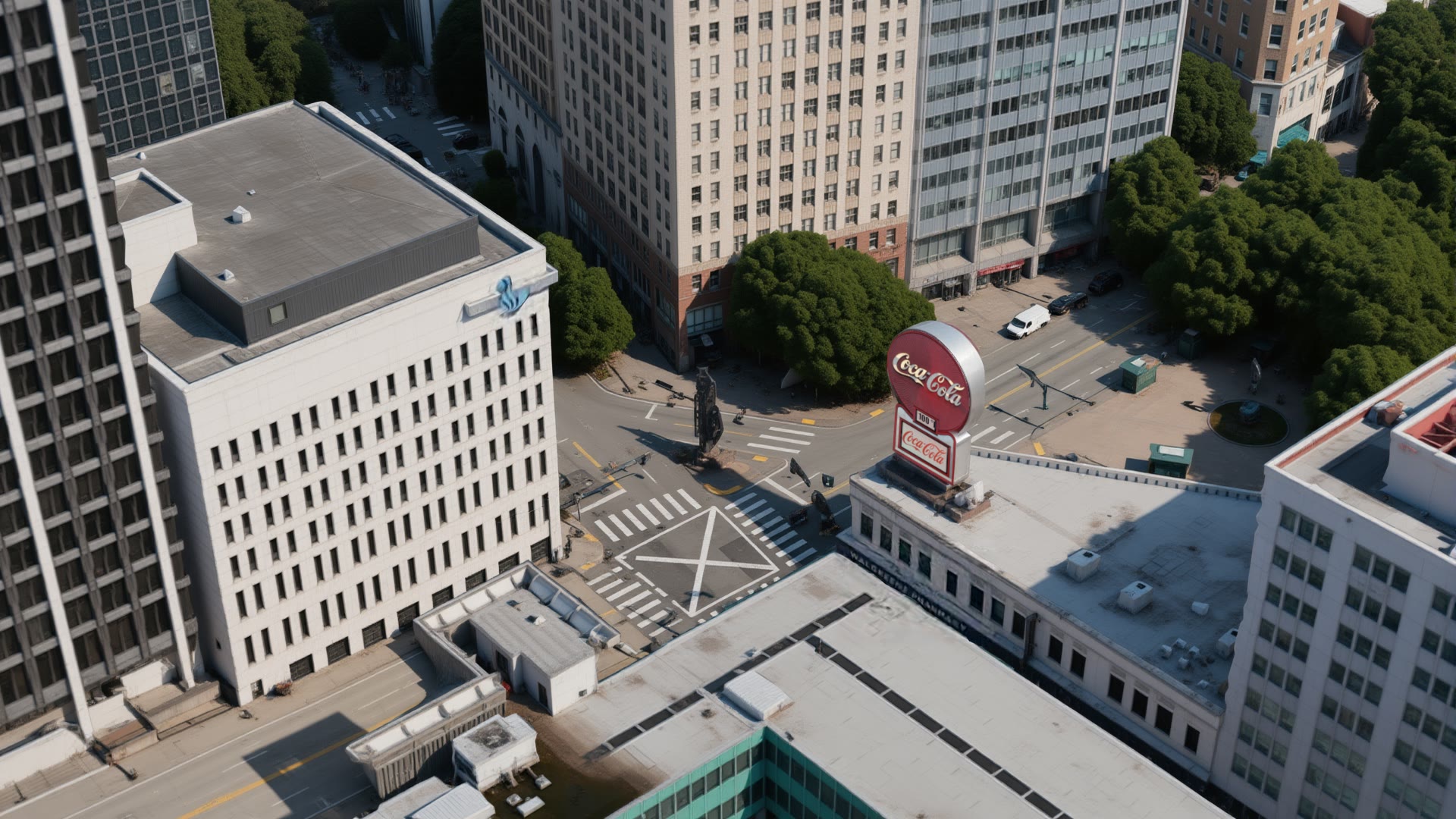
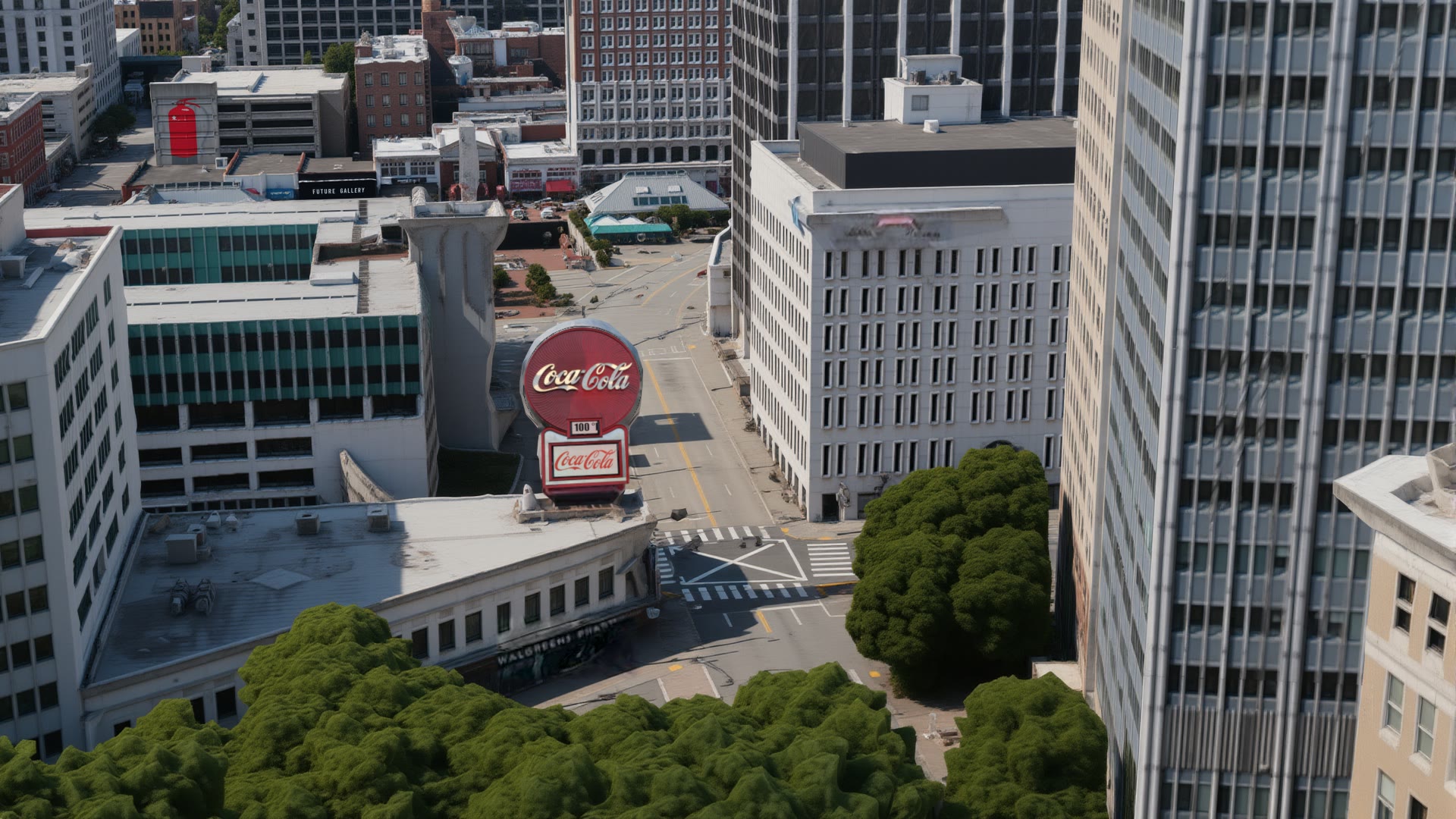
The Gardner brothers Moses and William had their studio across the street from Jacobs Pharmacy the same year (1886) that pharmacist Dr. John Pemberton brought in a jug of his new syrup to the Jacobs soda fountain, where it was mixed with carbonated water and sold for five cents a glass as the first-ever Coca-Cola. The Gardner brothers might well have had lunch at the counter that very day.
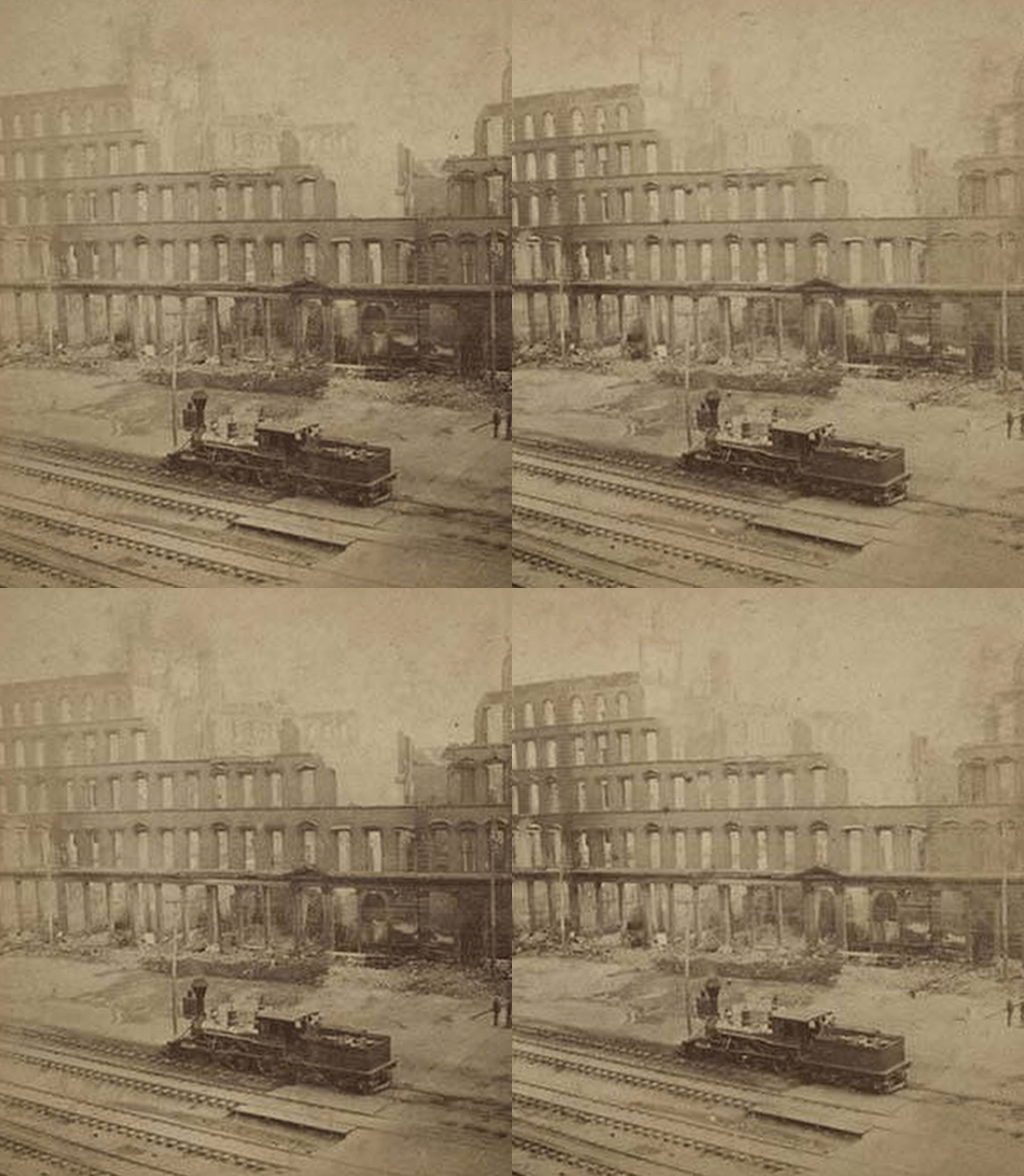
The Gardner wet-plate collodion studio opened in 1878, and made popular stereographs as well, including a stereo card of the Kimball House in ruins after a disastrous fire across the street from their studio around 1883.
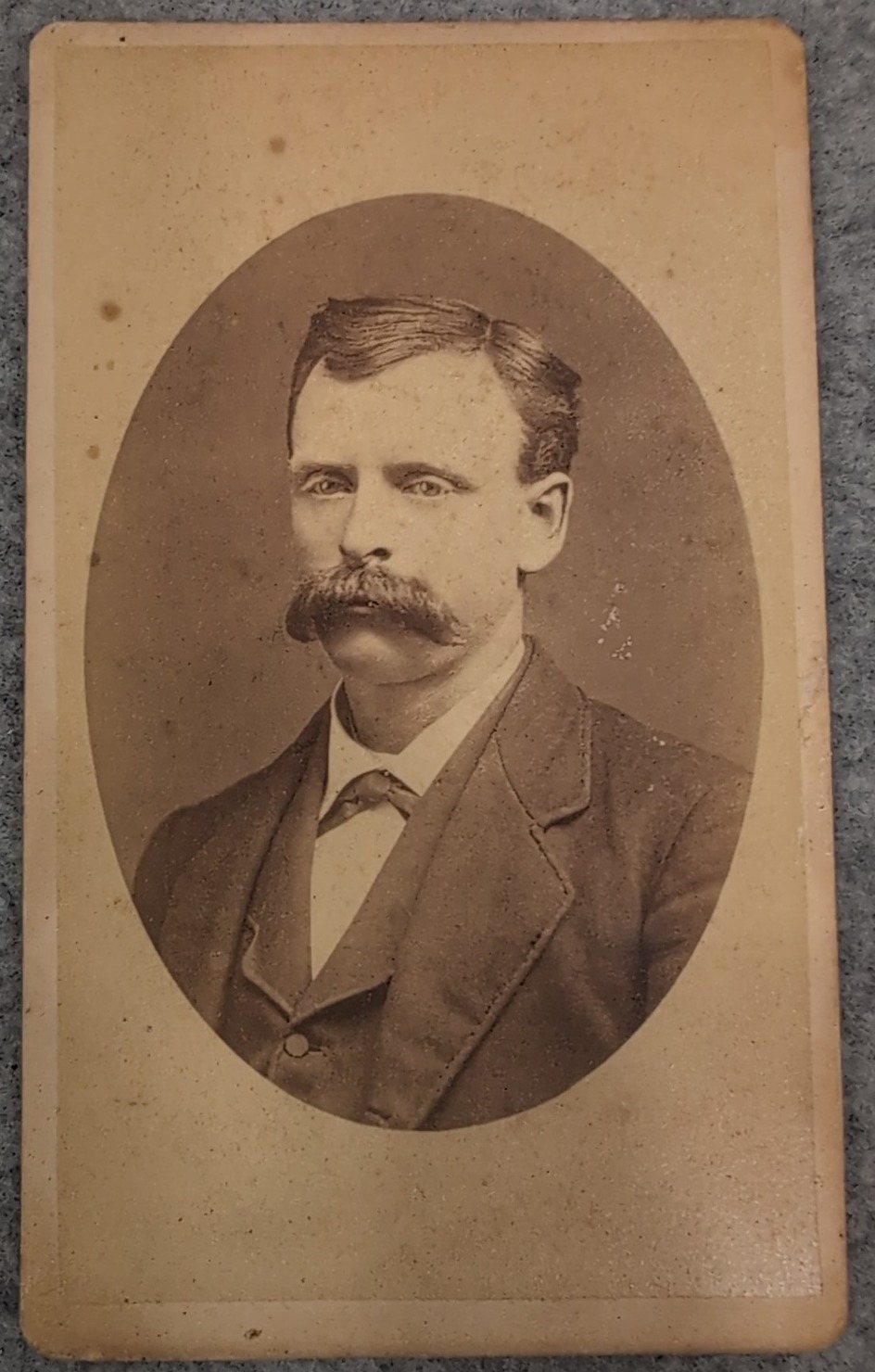
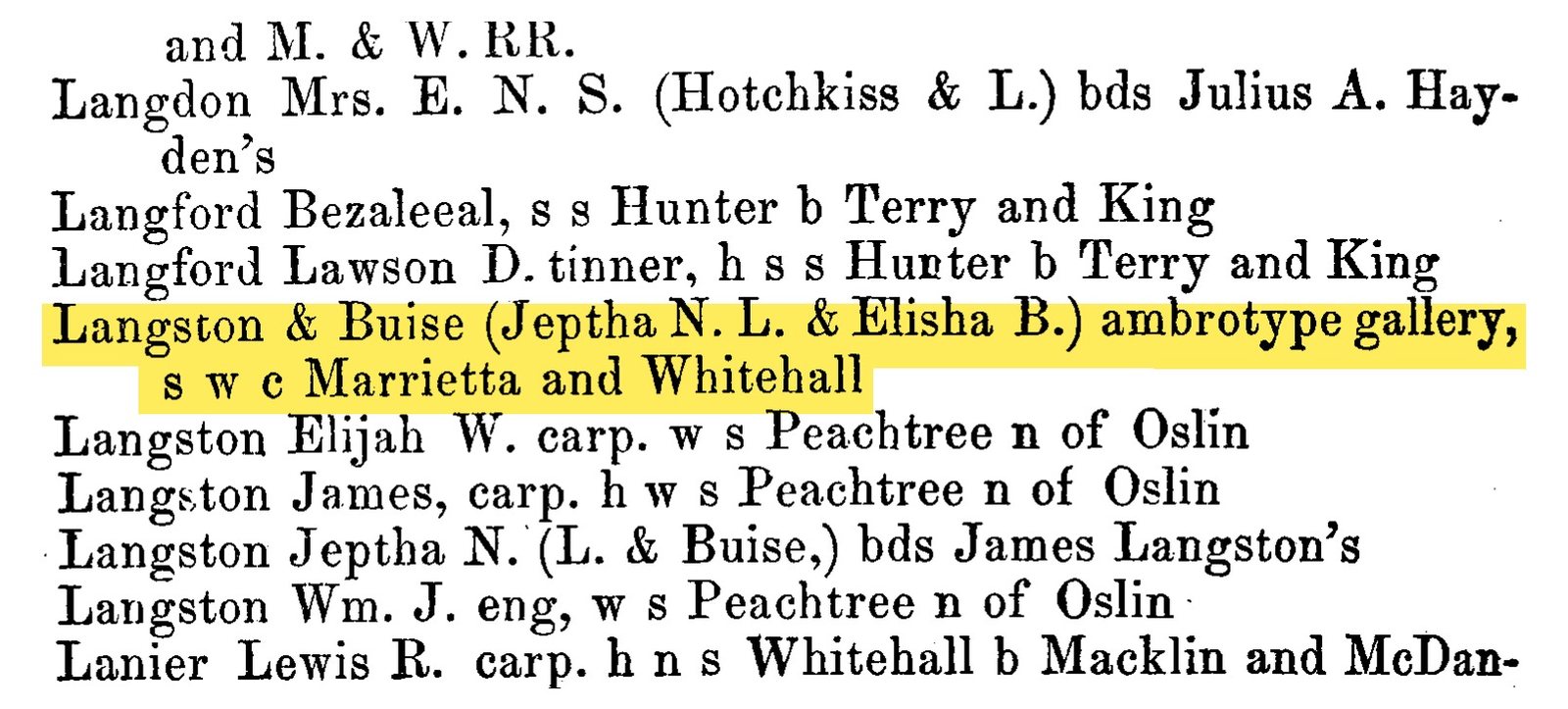
2. Langston & Buise, Ambrotype Gallery. Southwest corner of Marietta and Whitehall Streets (today's Five Points) · 1859 directory
Jeptha N. Langston and Elisha Buise kept an ambrotype gallery at the southwest corner of Marietta and Whitehall Streets, today's Five Points, where Marietta Street meets Peachtree Street. Atlanta's first city directory, for 1859 and 1860, lists Langston & Buise as one of four firms under “Photographs, Ambrotypes, &c.” Craig's Daguerreian Registry
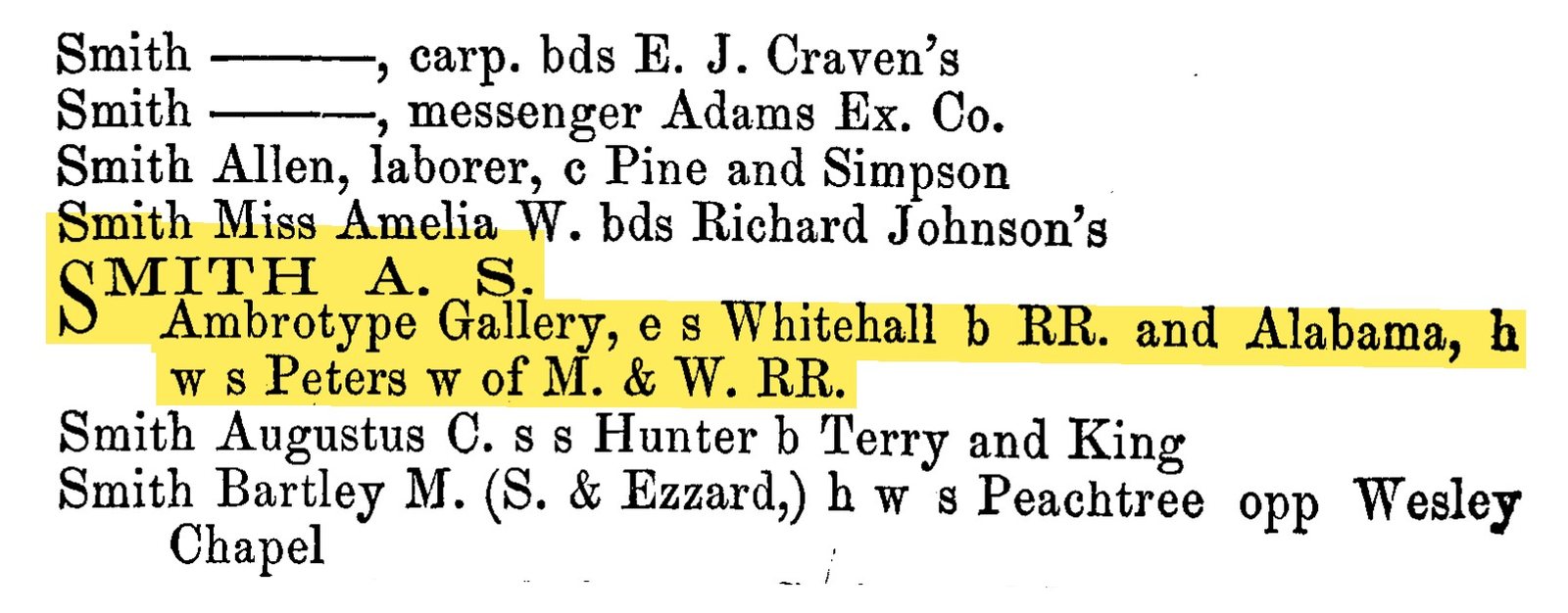
3. A. S. Smith, Ambrotype Gallery. East side of Whitehall Street between the railroad and Alabama Street · 1859 directory
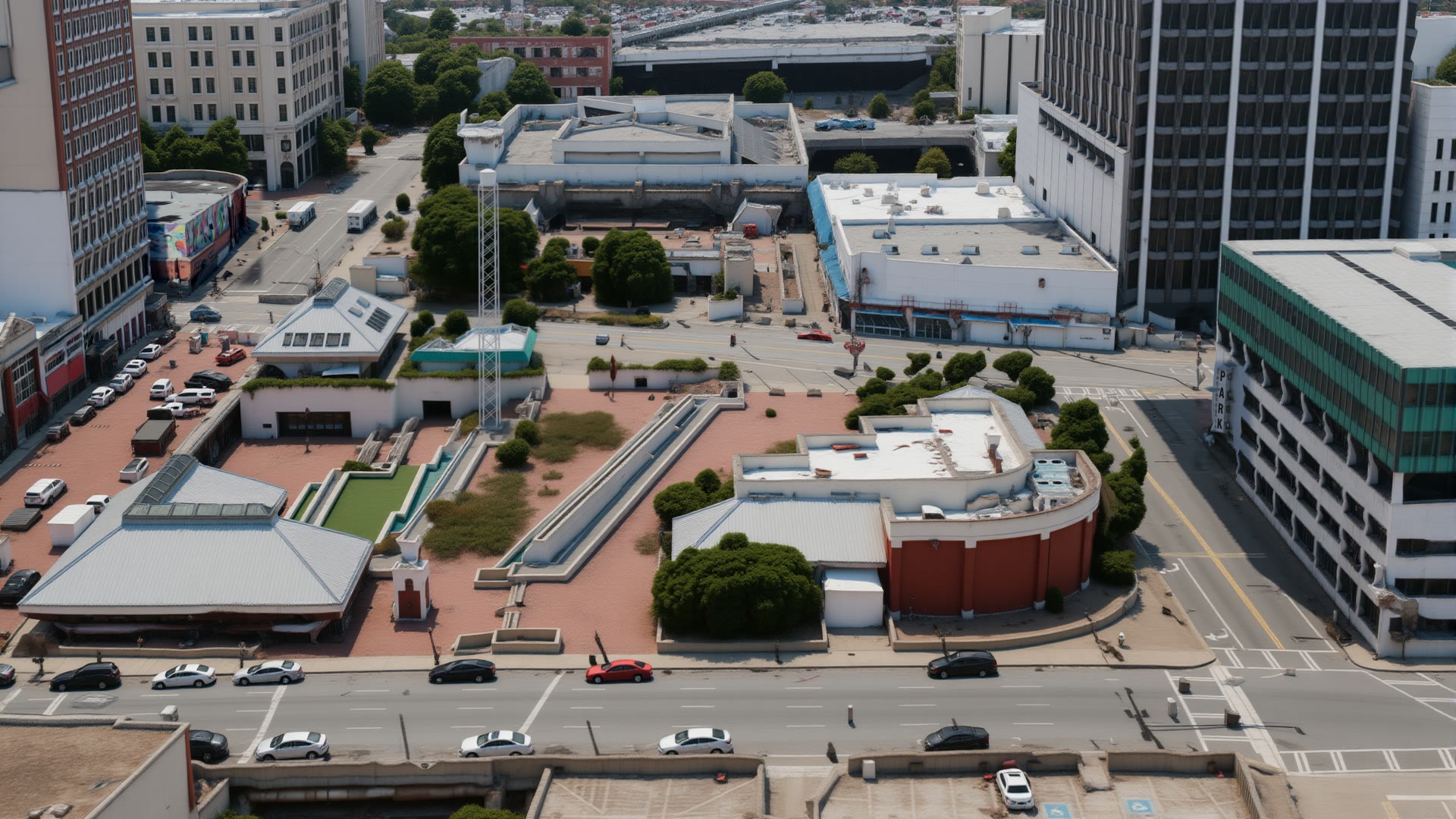
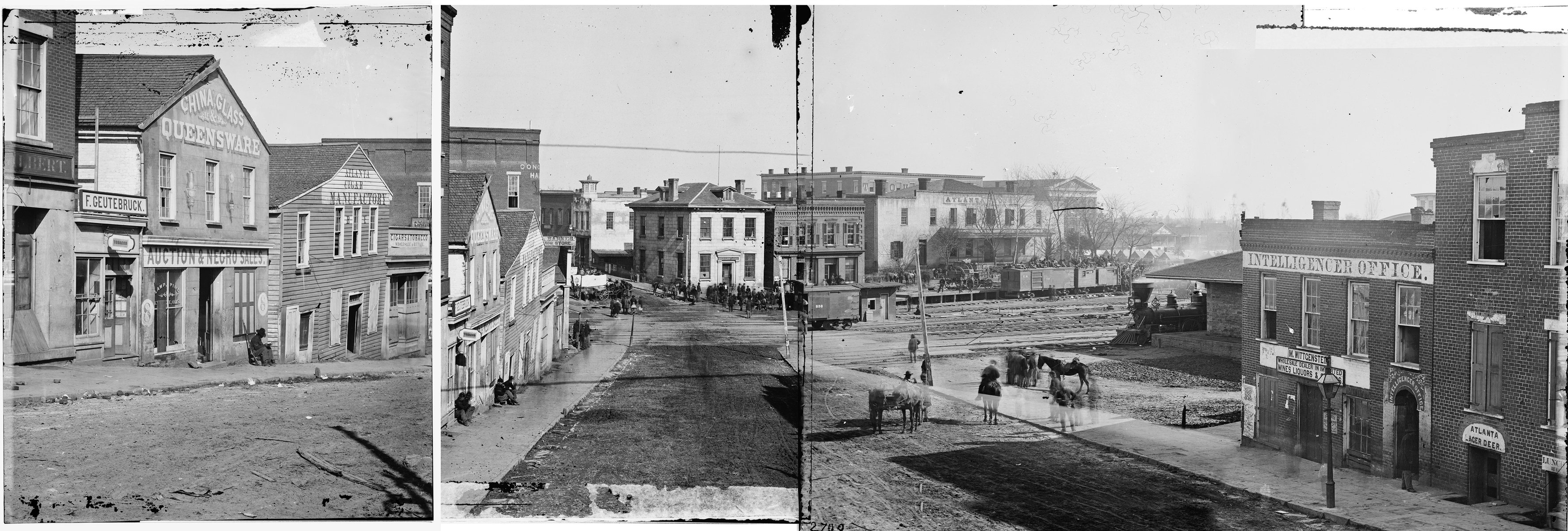
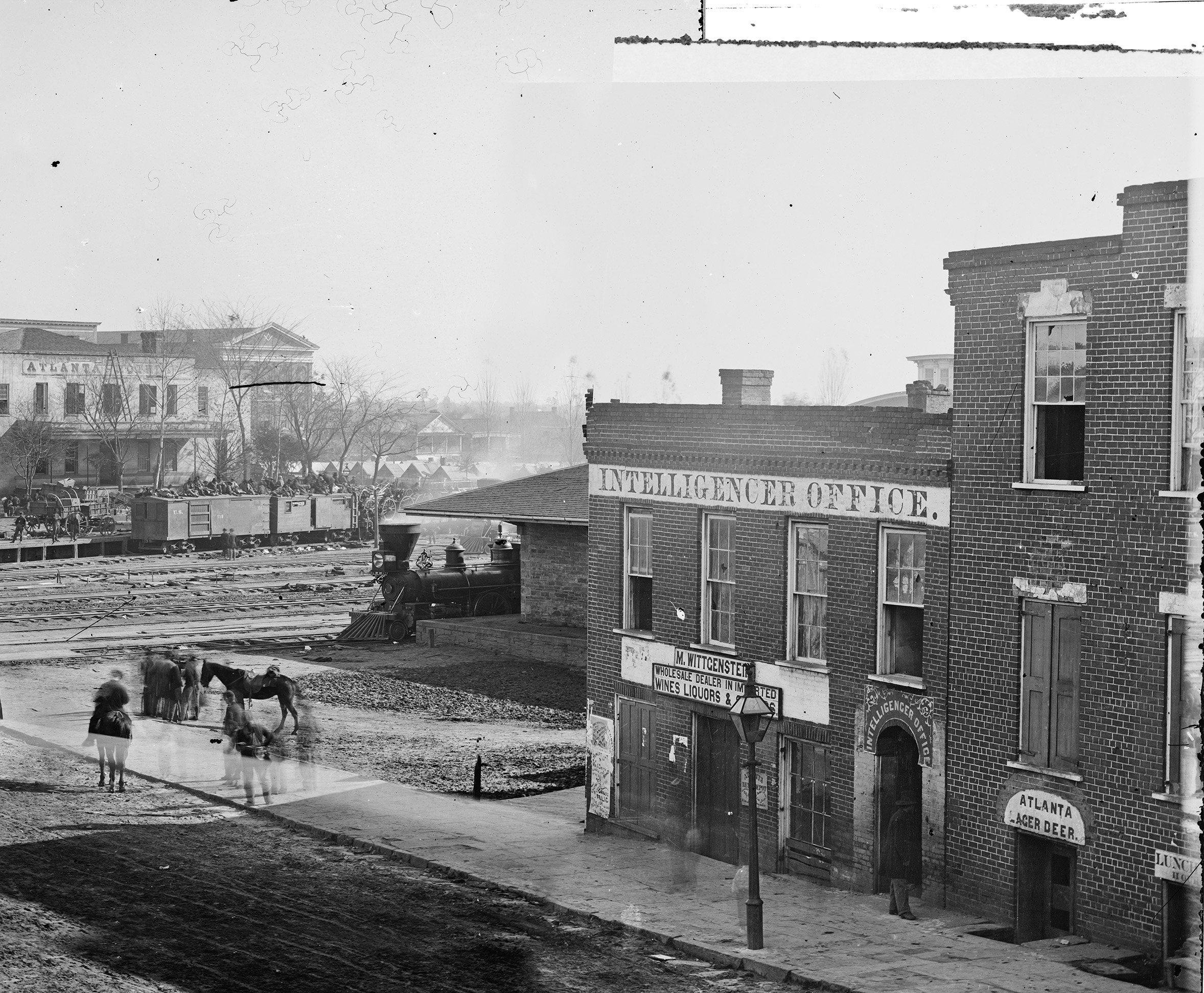
The A. S. Smith ambrotype gallery stood "on the east side of Whitehall Street between the railroad and Alabama Street". This is Underground Atlanta today. But with no street number, where exactly? Look at George N. Barnard's panorama of this scene from 1864 (notorious for showing a slave auction house), and see if you can guess exactly where it was. I think I have a good guess where the Smith gallery was.
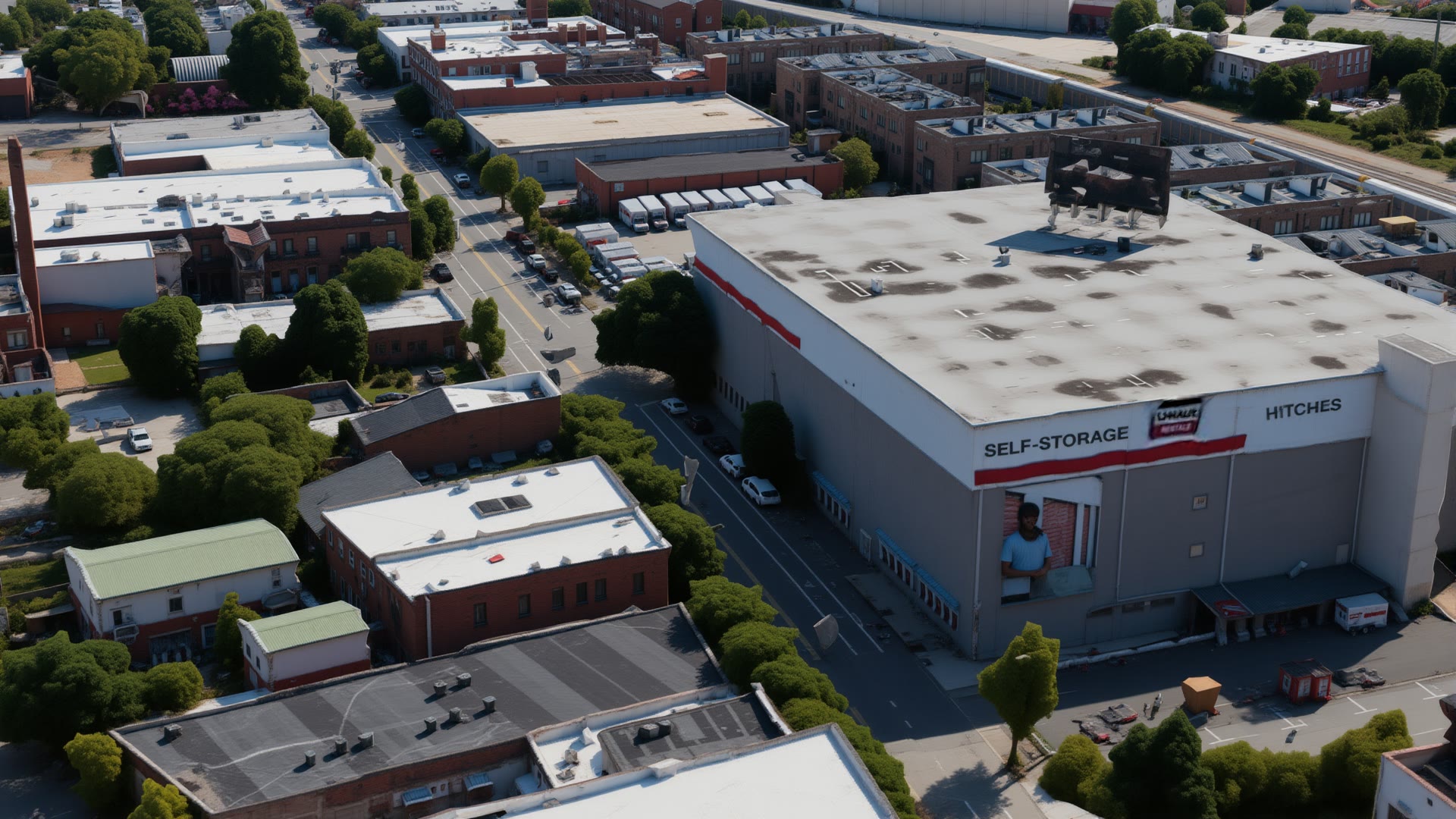
This building to the right of the Daily Intelligencer building neatly fits the description of being on the east side of Whitehall Street between the railroad track and Alabama Street. So Smith’s studio had to have been this window, or else one of the windows to the right of this, just out of George N. Barnard’s view in 1864.
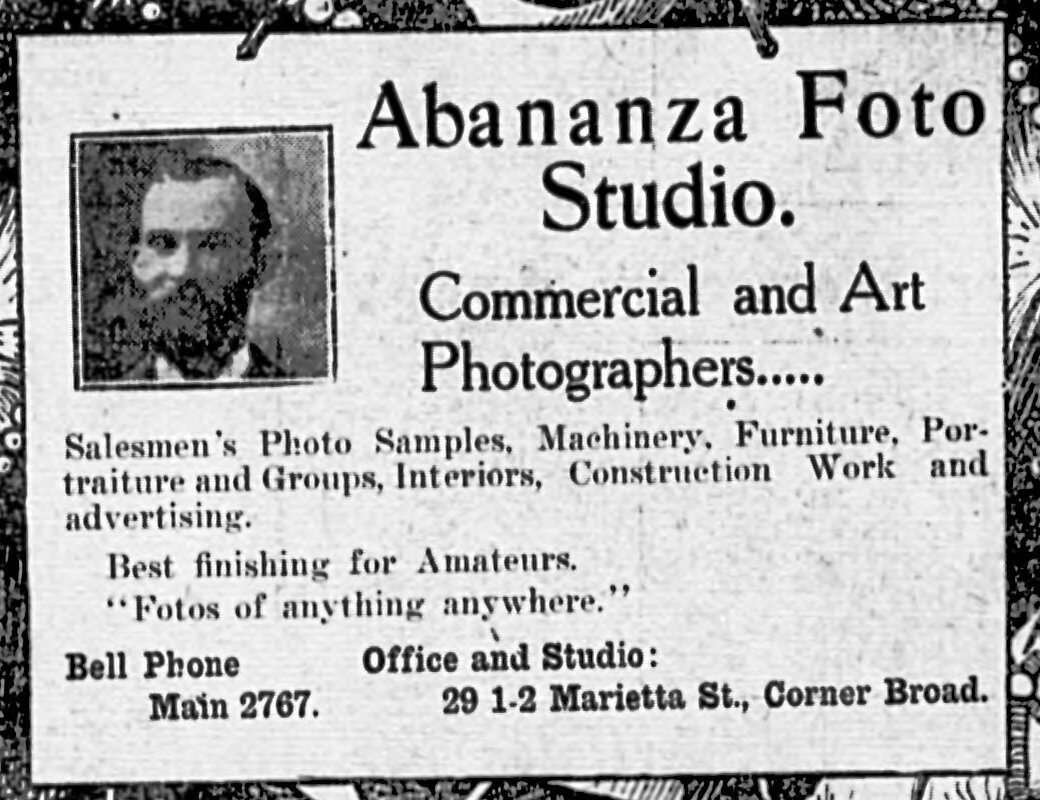
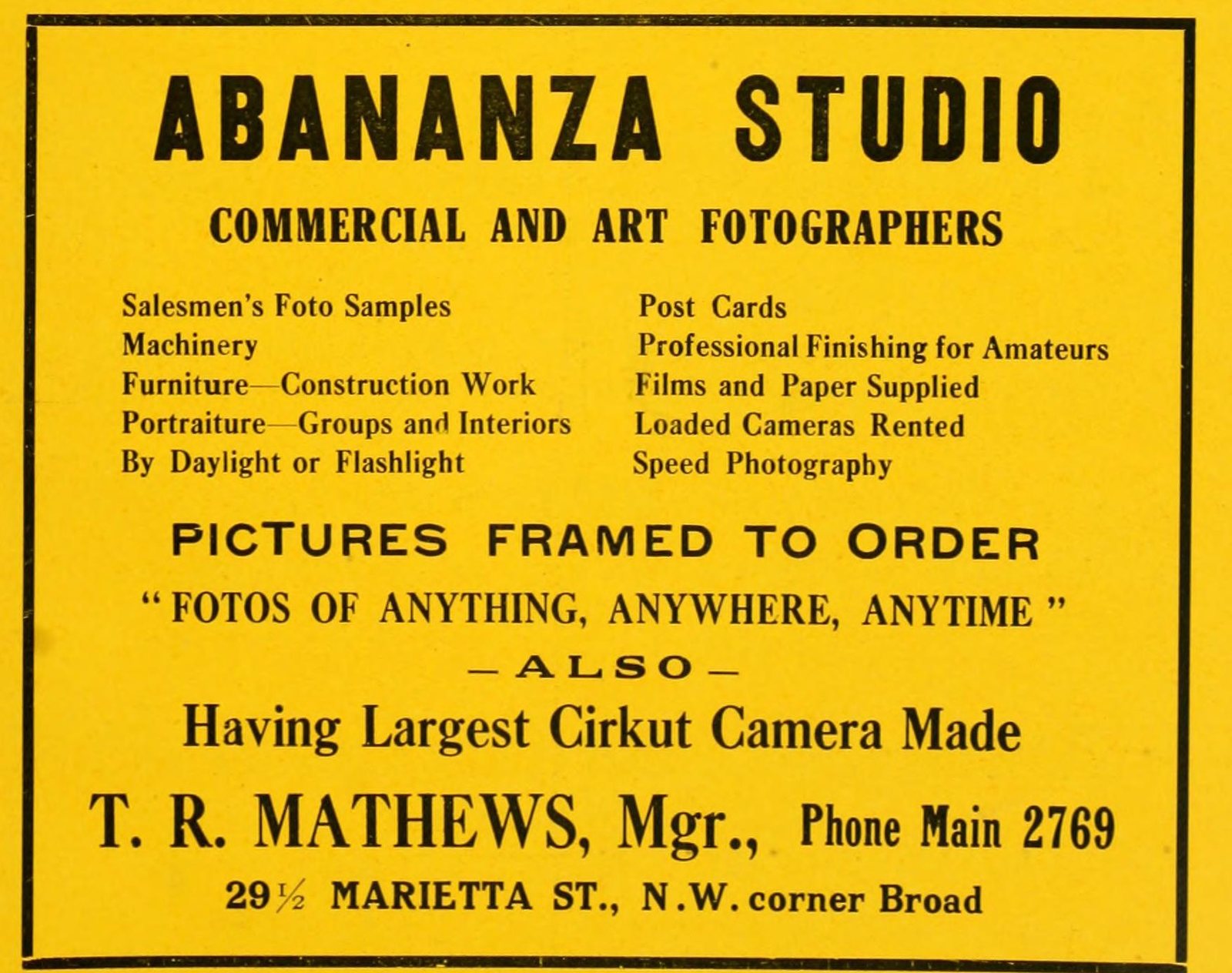
4. Abananza Studio. 78 Peachtree Street (then known as 4 Peachtree) · 1911
Abananza Studio (photographer Thomas R. Mathews) advertised "FOTOS OF ANYTHING, ANYWHERE, ANYTIME", and also had their portrait gallery where Underground Atlanta is today. They boasted in newspaper ads about their insanely complicated giant Cirkut rotating camera which could capture a 360° panoramic image by rotating while a roll of film moved across the film plane.
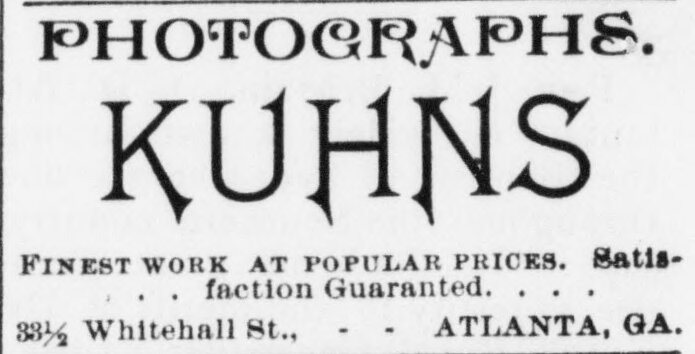
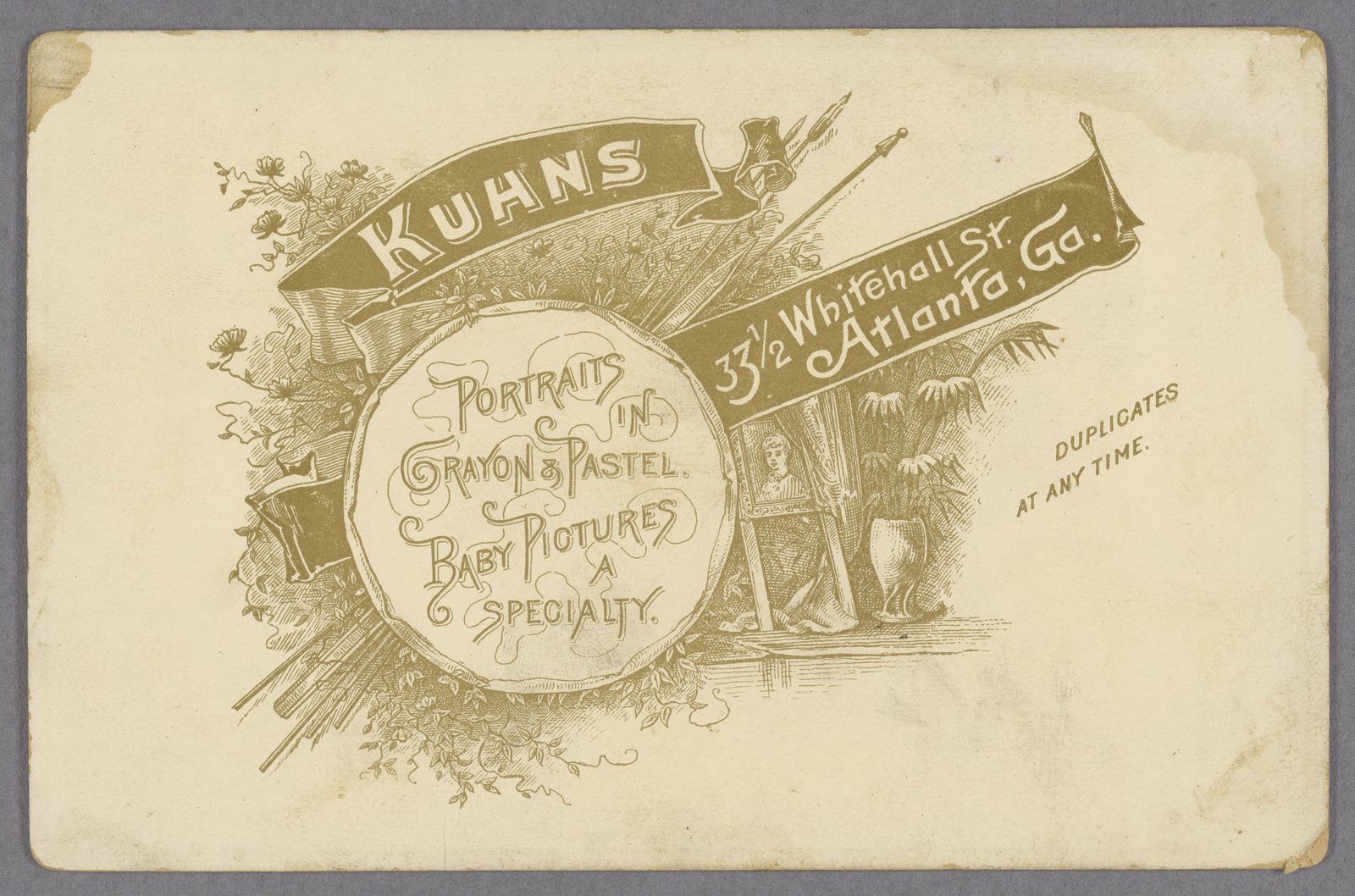
5. William T. Kuhns, Photographer. 67 Peachtree Street (then 33½ and 35½ Whitehall); at least 1886-1911
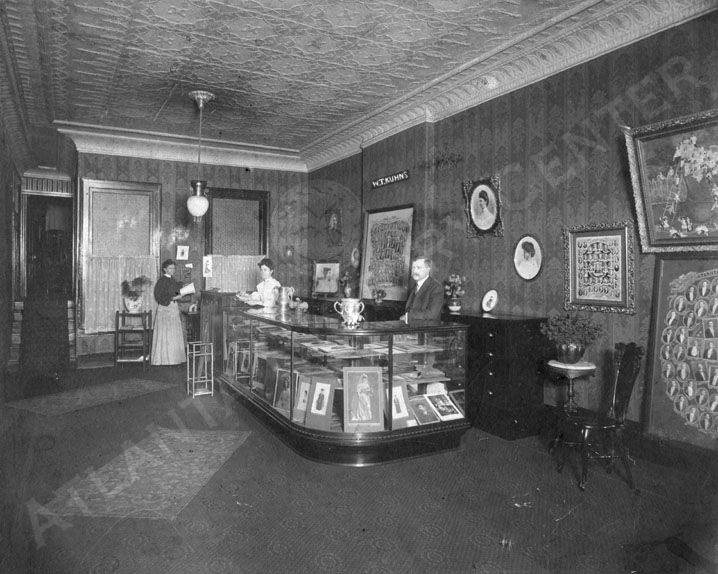
1854–1938 Perhaps Atlanta's busiest and longest-working 19th century photographer, William Theodore Kuhns was the anchor of Atlanta's photo district, with a beautiful gallery with pressed tin ceilings and glass cases full of picture frame samples. He and his brother Julius took over the Whitehall Street studio of their father, William A. Kuhns, in 1881. William A.'s gravestone in Oakland Cemetery is engraved “PIONEER PHOTOGRAPHER.”
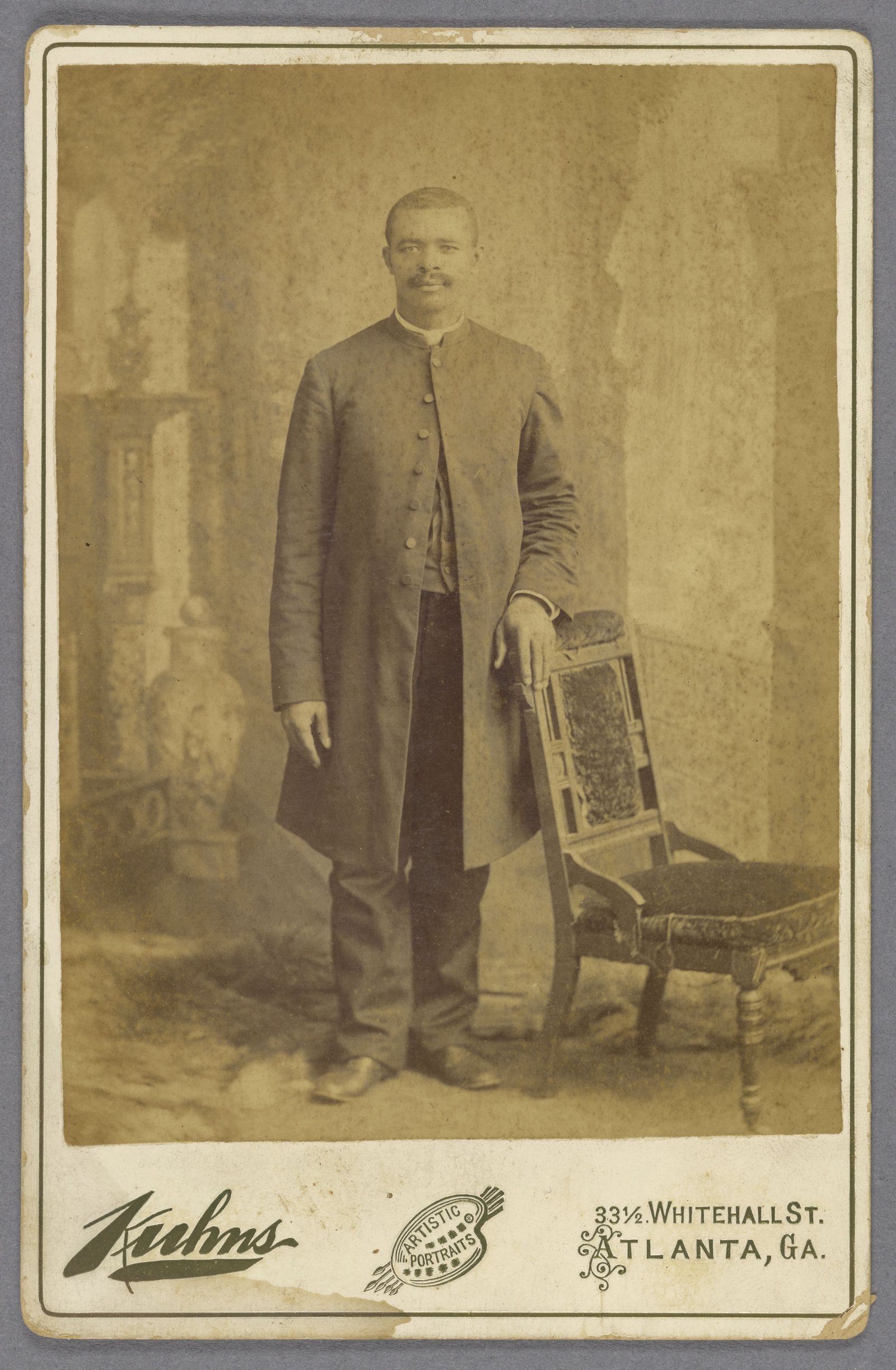
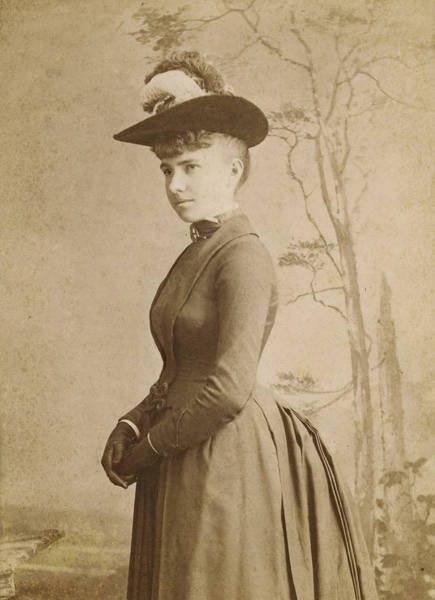
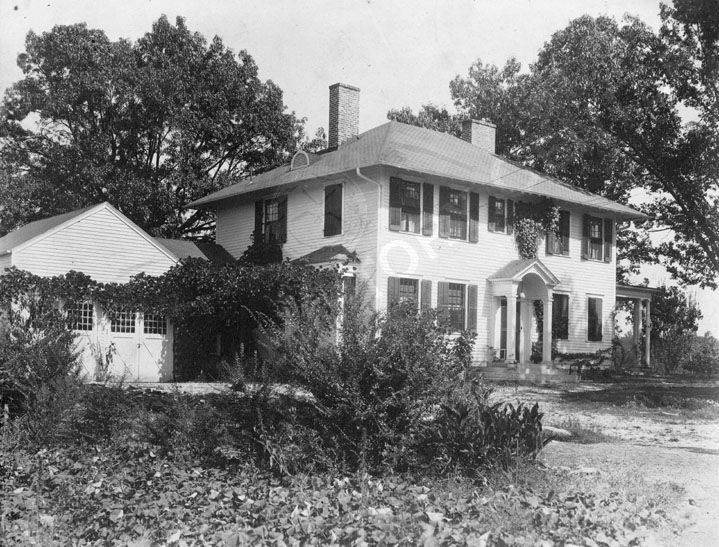
William T. photographed the Capitol cornerstone ceremony in 1885 and made flash pictures by night from 1888. His sister Isabella clerked in the gallery from 1881 and retouched for it into the 1920s. I tracked down the lovely still-standing Kuhns house on McLendon Avenue in Candler Park, close to where I live. The studio photographed an interracial clientele; there are multiple surviving examples of portraits taken for both Black and white clients who visited this studio in the 1890s, unusual for a postbellum Atlanta business.

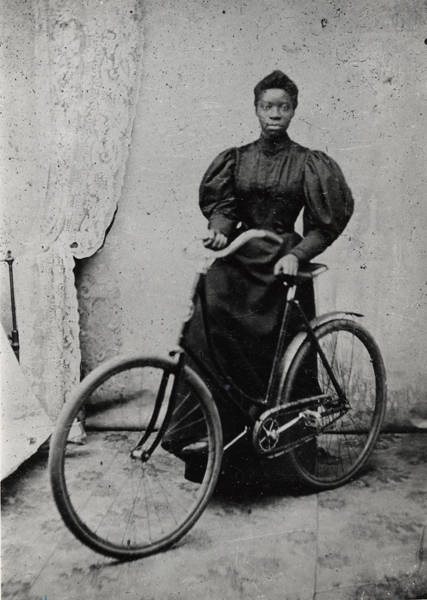
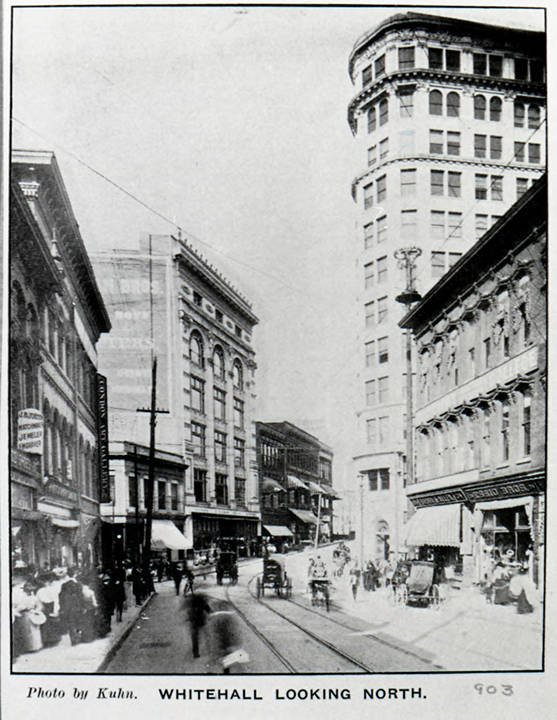
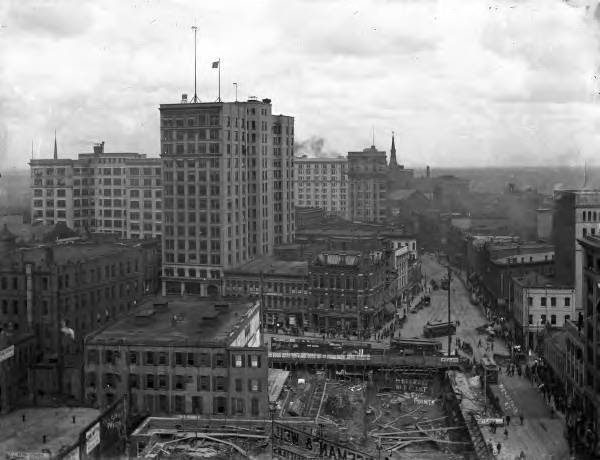
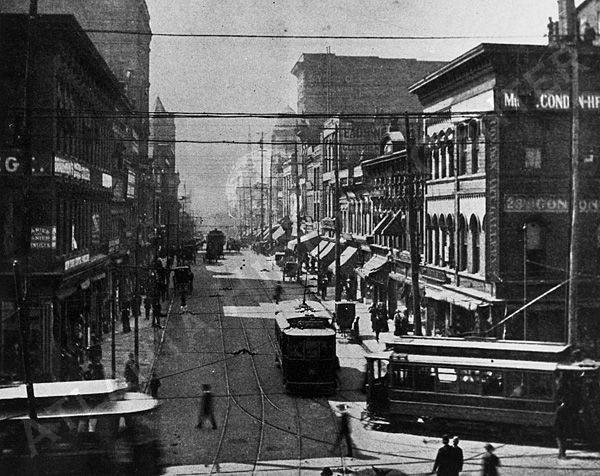
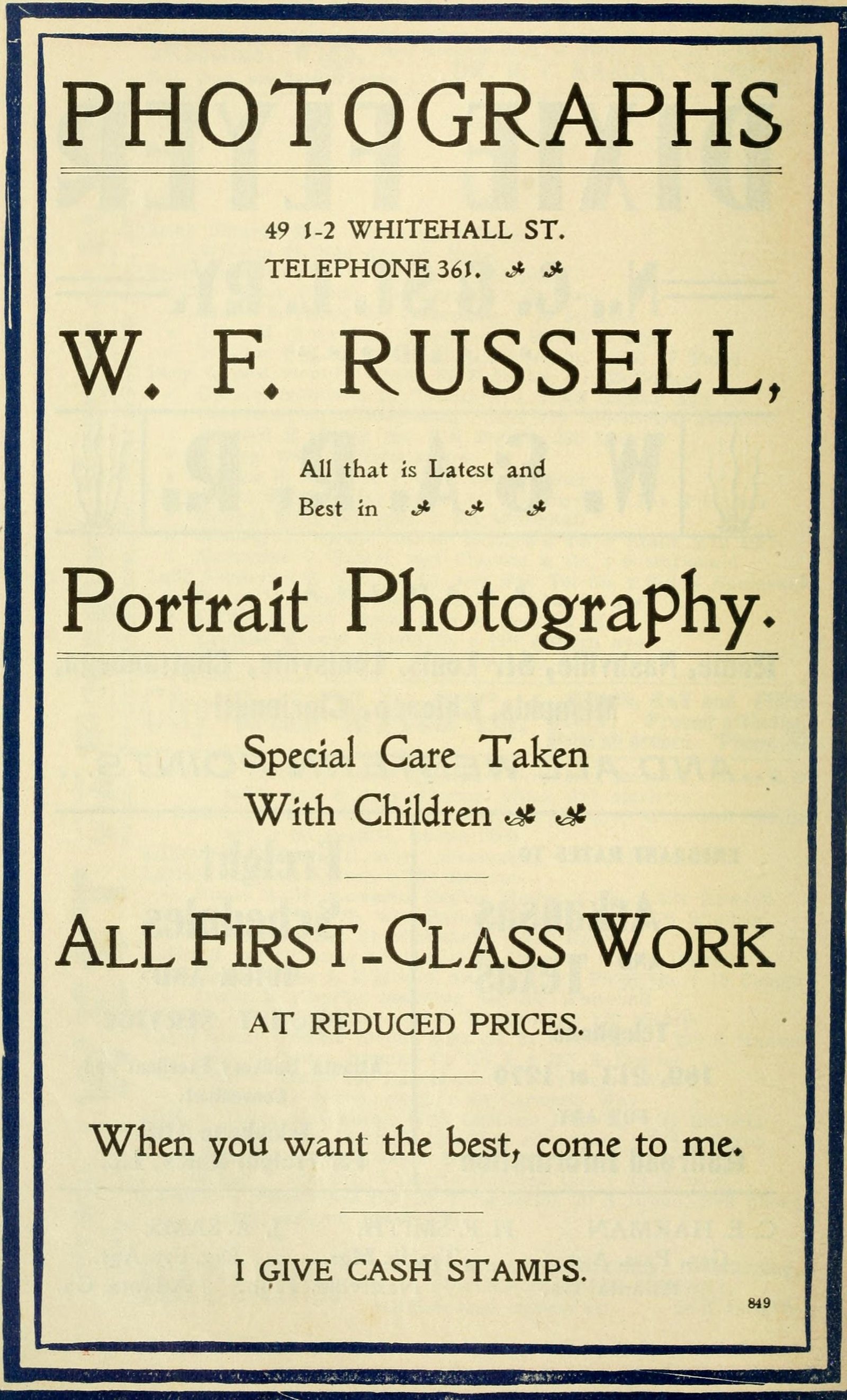
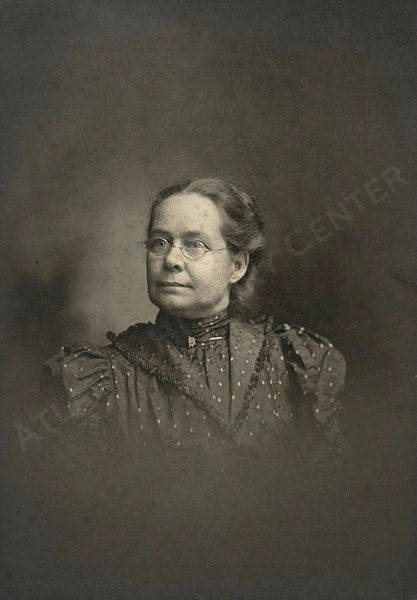
6. William F. Russell, Photographer. 83 Peachtree Street (then known as 49 Whitehall) · 1899
William F. Russell's photography studio once stood on a Whitehall Street block that is now part of the South Downtown redevelopment. He was a photographer from 1894 to 1905 and paid for bold listings in the 1900 and 1903 city directories. In 1899 he judged the Atlanta Constitution Prize Picture Contest held by a local camera club. The Atlanta History Center holds his portrait of an unidentified woman.
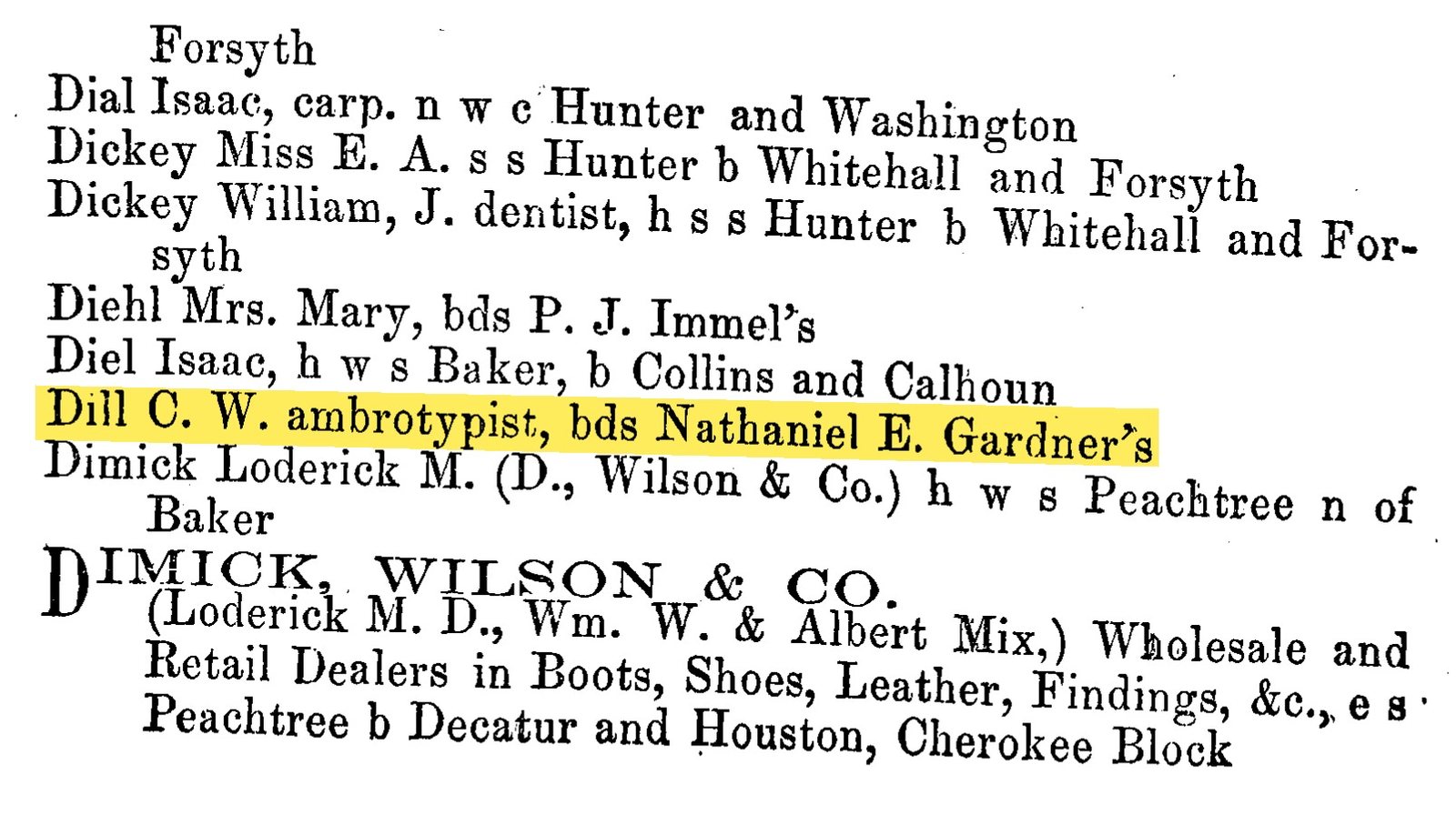
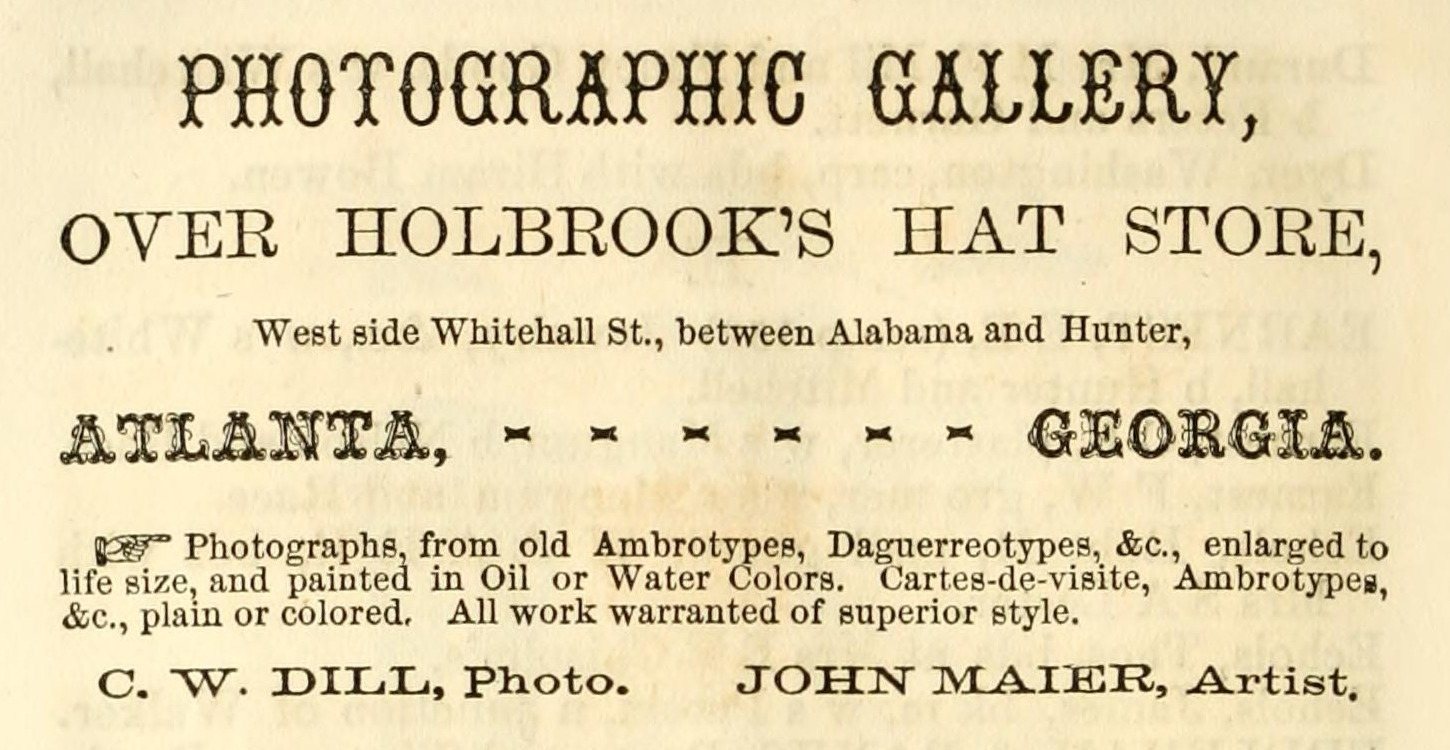
7. Charles W. Dill and John Maier, Photographers. West side of Whitehall Street between Alabama and Hunter, over Holbrook's hat store (1867); 36 Whitehall, upstairs (1870) · 1859–1870
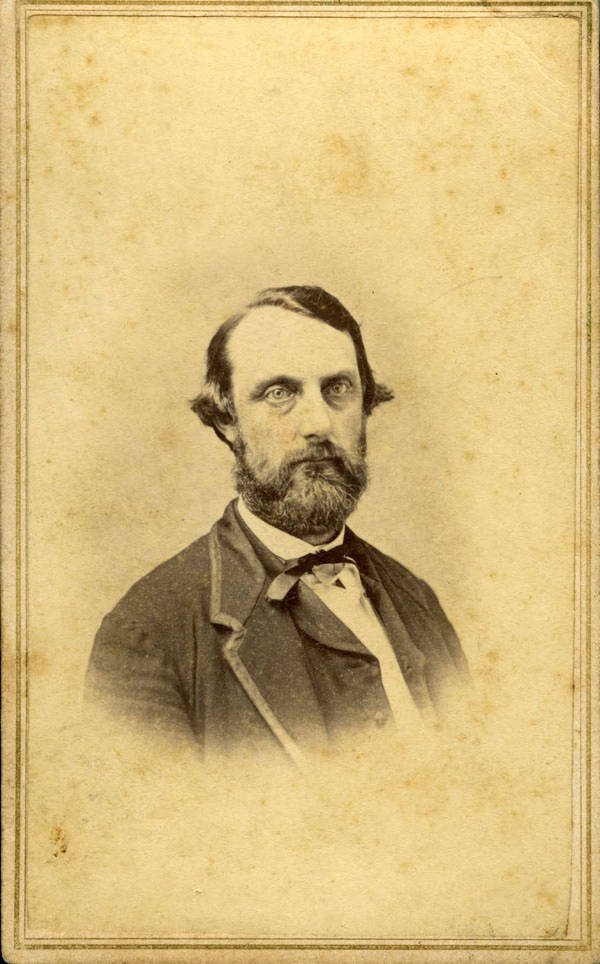
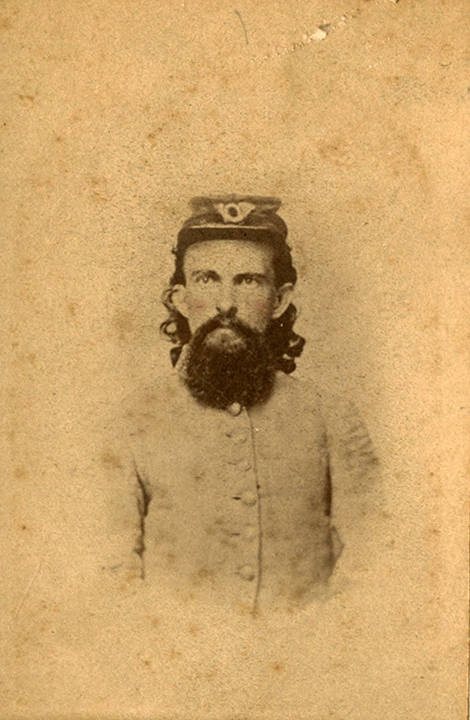
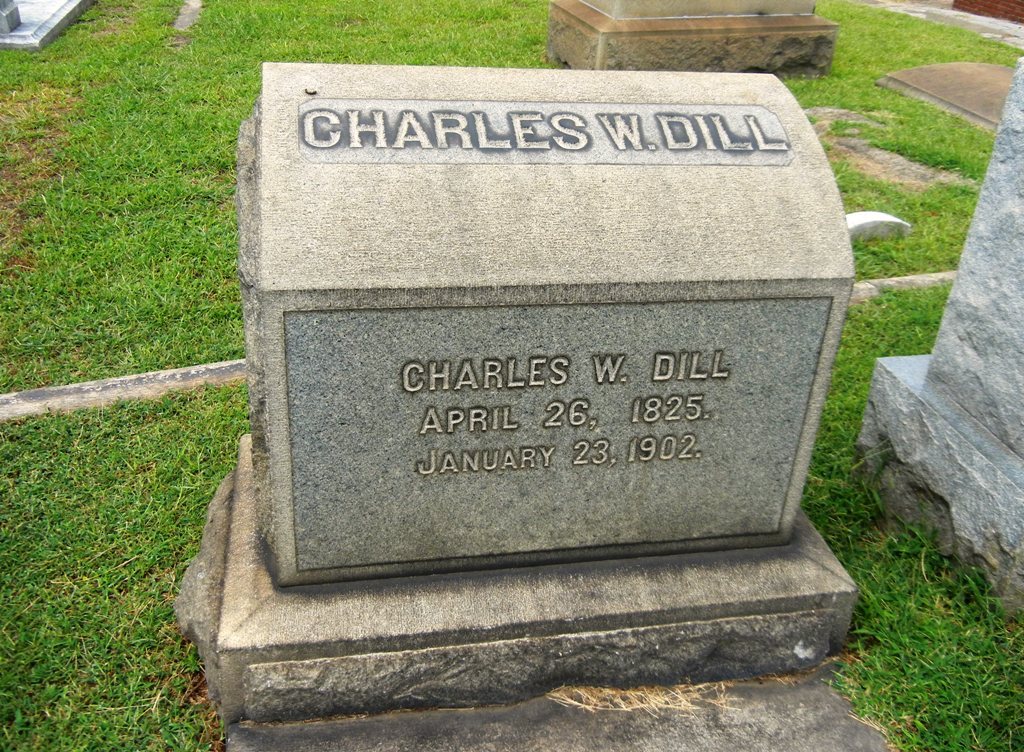
Charles W. Dill (1825-1902) was one of the first photographers in the United States and might have been Atlanta's second photographer, after William H. DeShong. At the dawn of photography, he was known to have made daguerreotypes in Iowa in 1850. By 1858 he had moved to Atlanta and opened an ambrotype gallery with the painter John Maier, where they specialized in taking old small ambrotypes and daguerreotypes and enlarging them to life-sized oil paintings. Dill worked in Atlanta from about 1852 to 1877 and is buried in Oakland Cemetery. Craig's Daguerreian Registry
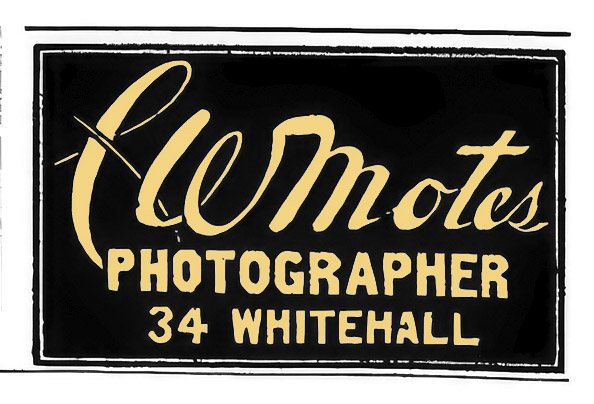
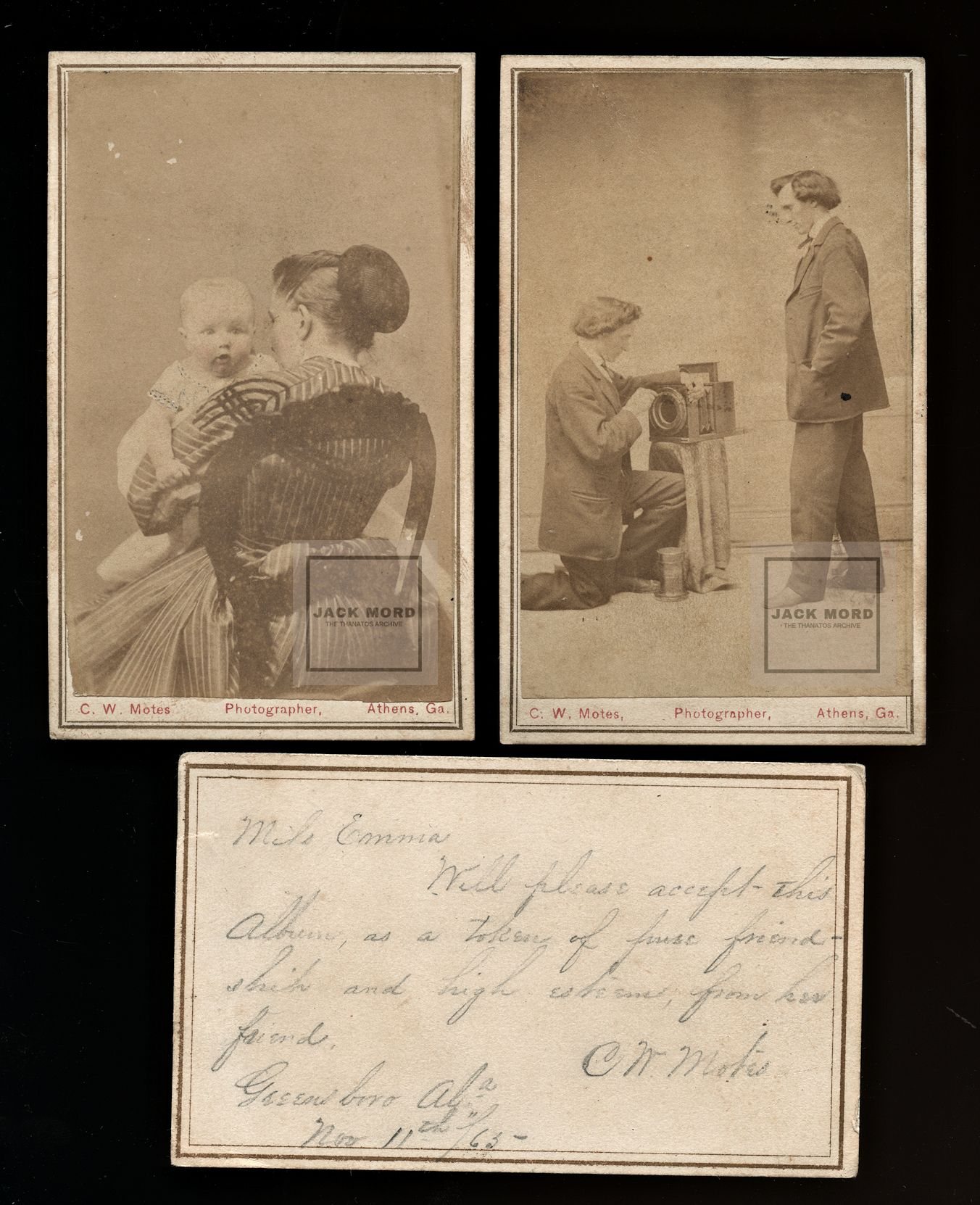
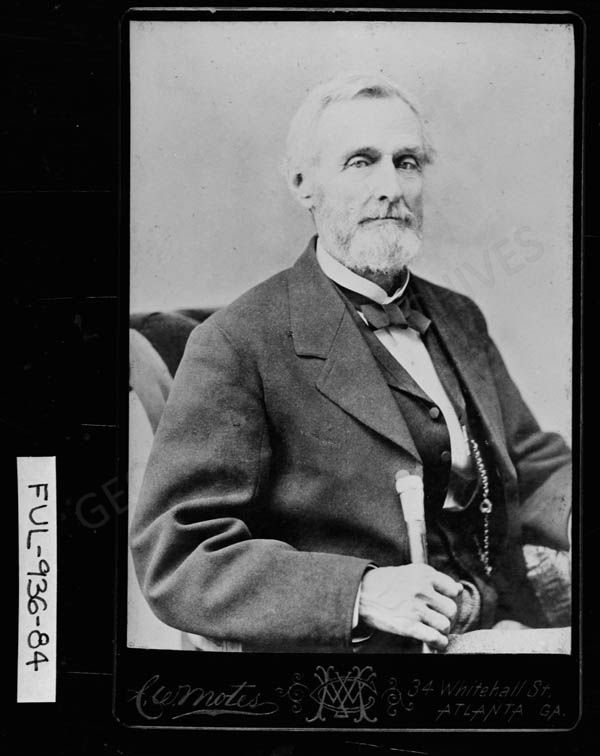
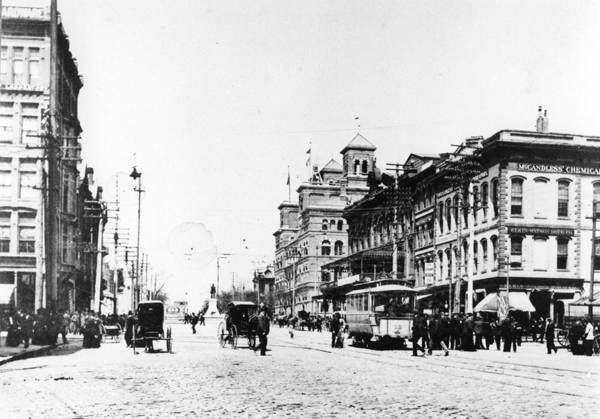
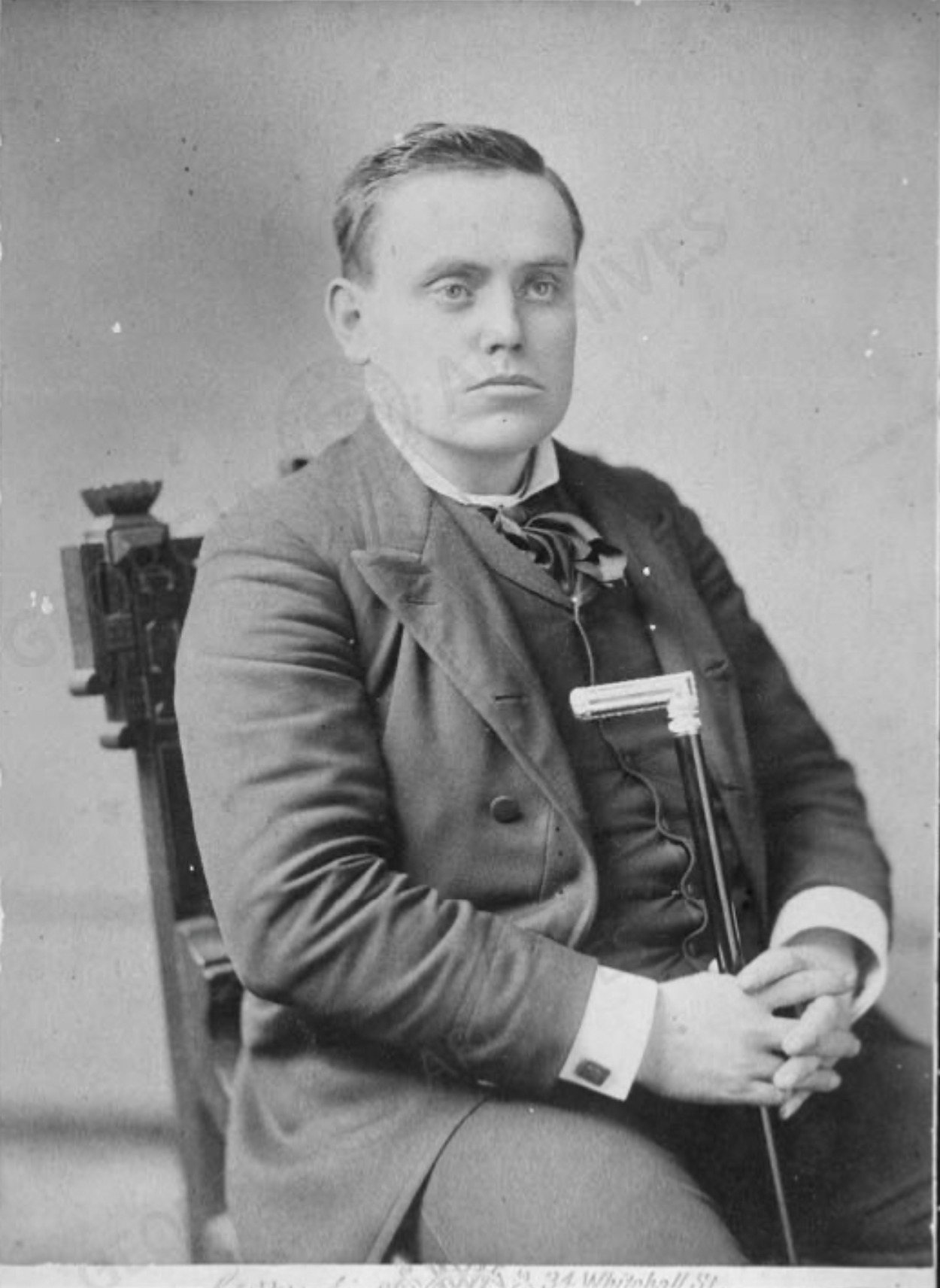
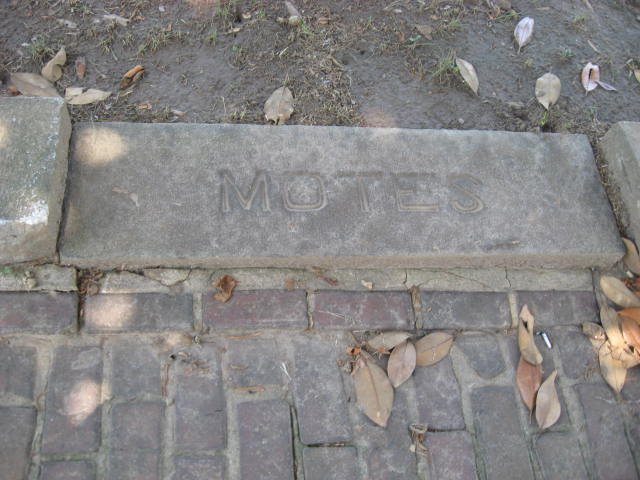
8. Columbus W. Motes, Photographer. 64 Peachtree Street (then known as 34 Whitehall) · 1886
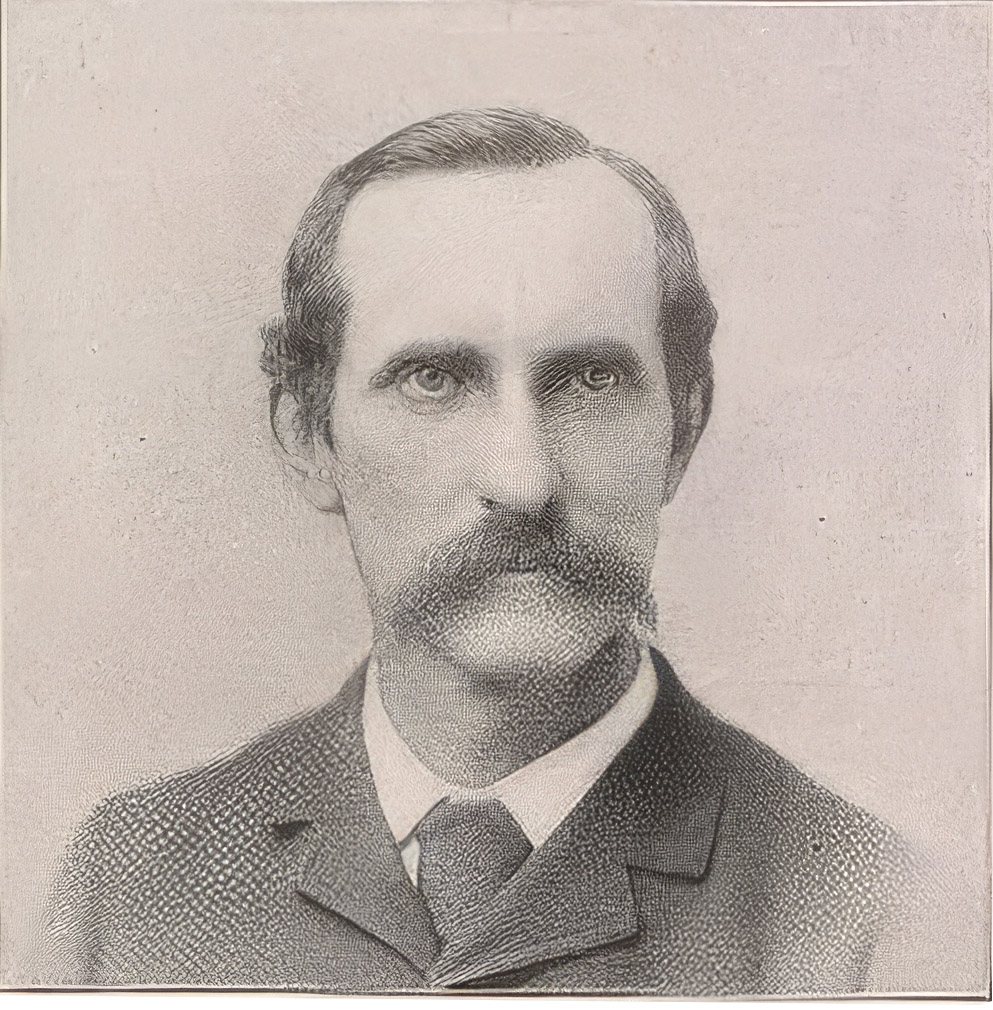
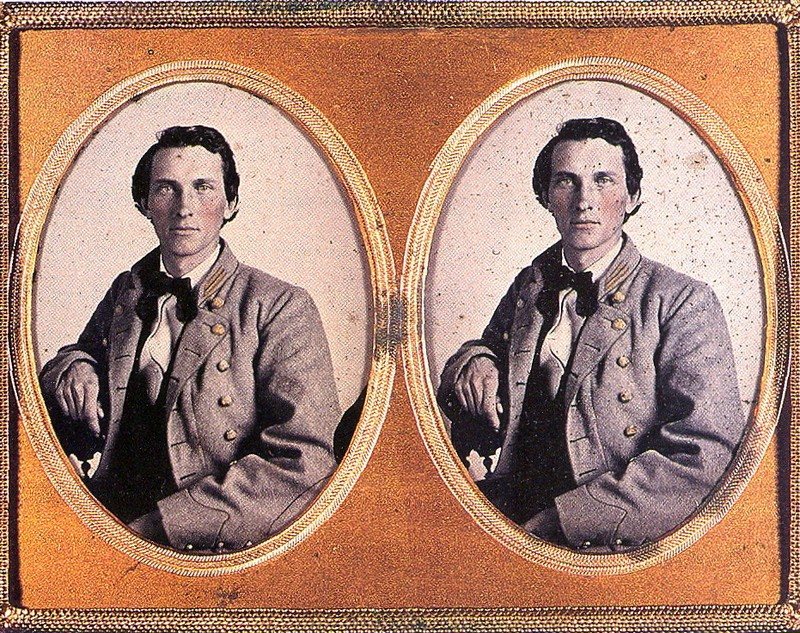
1837–1919 This third-floor studio once stood on a Whitehall Street block that is now part of the South Downtown redevelopment. Columbus Washington Motes, born in Alabama, was an ambrotypist in Athens GA when he joined the Confederate army and became an artillery officer in 1861. He was wounded at Antietam and Gettysburg, then captured by Union forces at Selma, Alabama, in 1865, while en route home from the war.
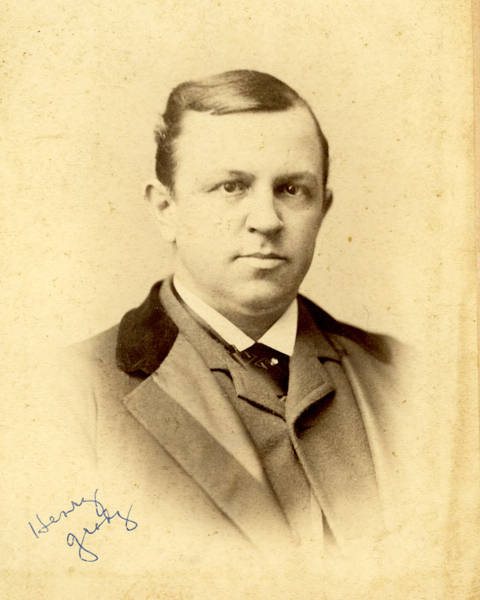
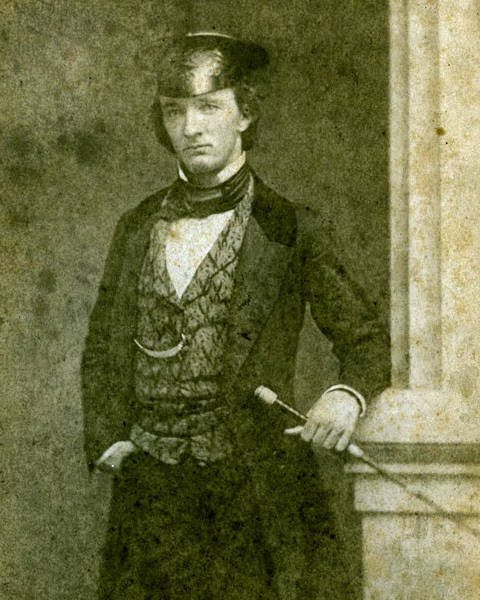
Motes opened a Whitehall Street gallery with Merton Smith in 1871, where the African American printer Thomas E. Askew learned the trade and worked from about 1874 until 1896. Motes photographed former President of the Confederacy Jefferson Davis in 1886, journalist Henry Grady in 1889, and Emory President Bishop Warren Candler during the 1910s. Motes is buried at Oakland Cemetery.
9. Thomas E. Askew, Photographer. 114 Summit Avenue, home and studio; about 1896-1914
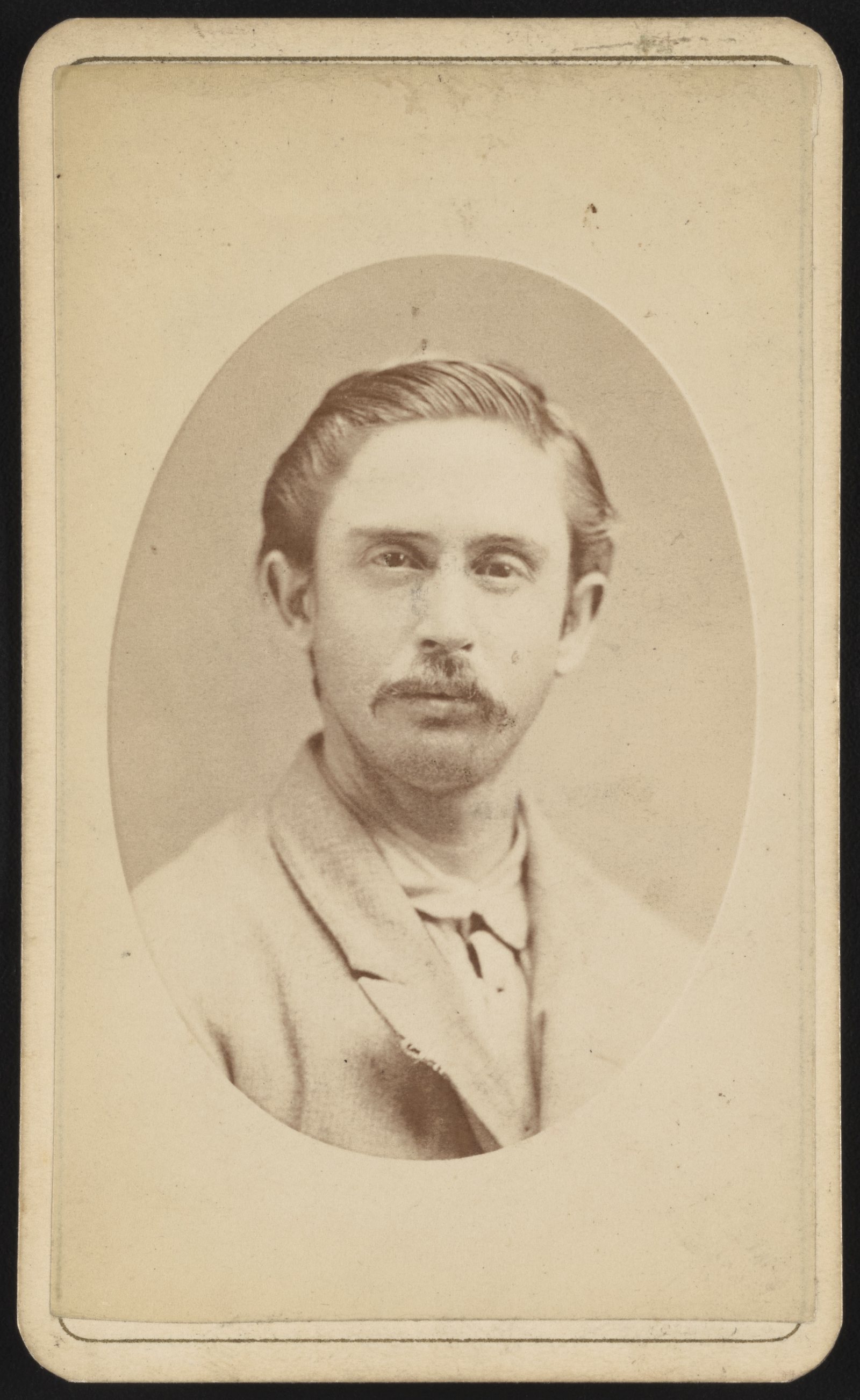
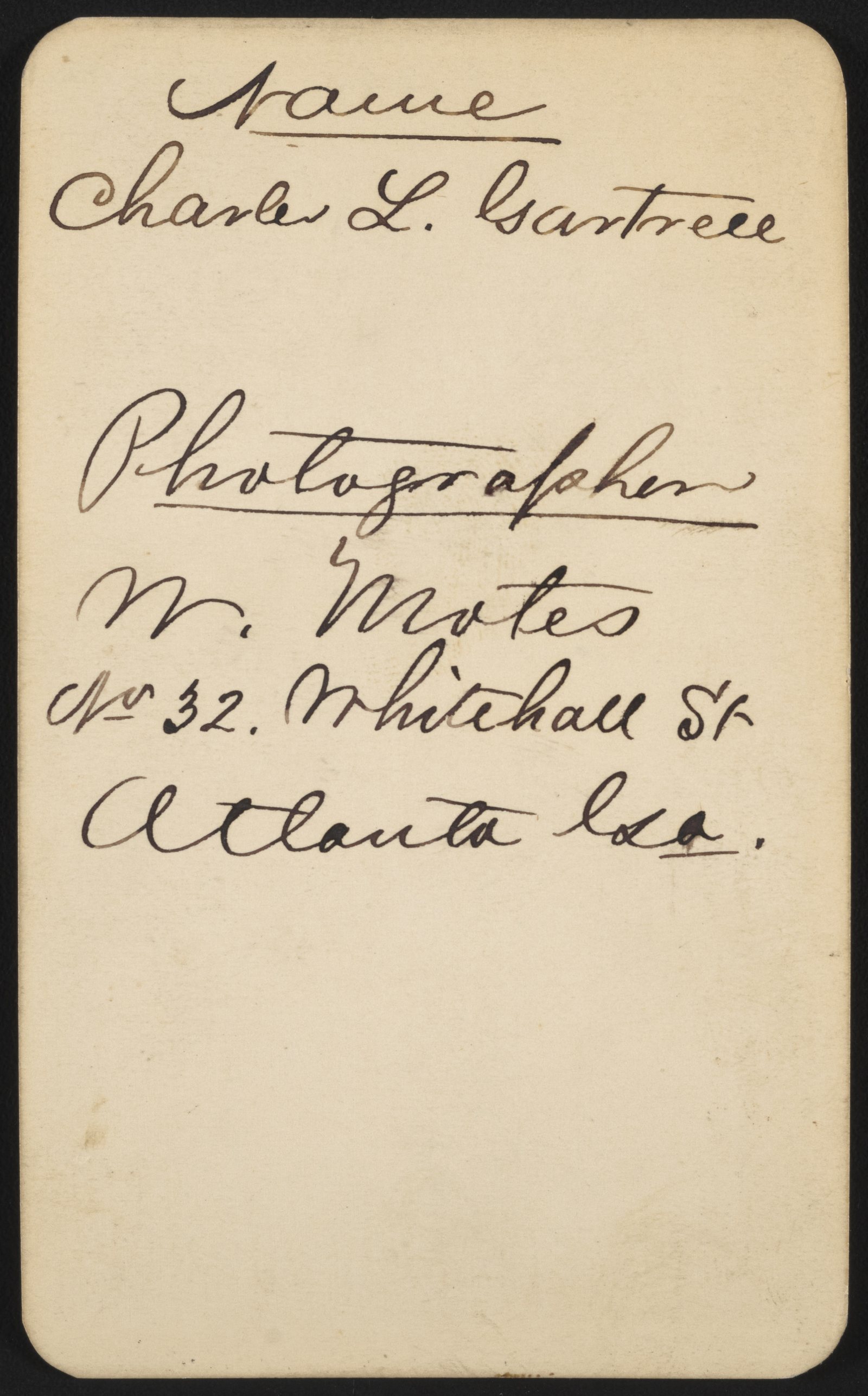
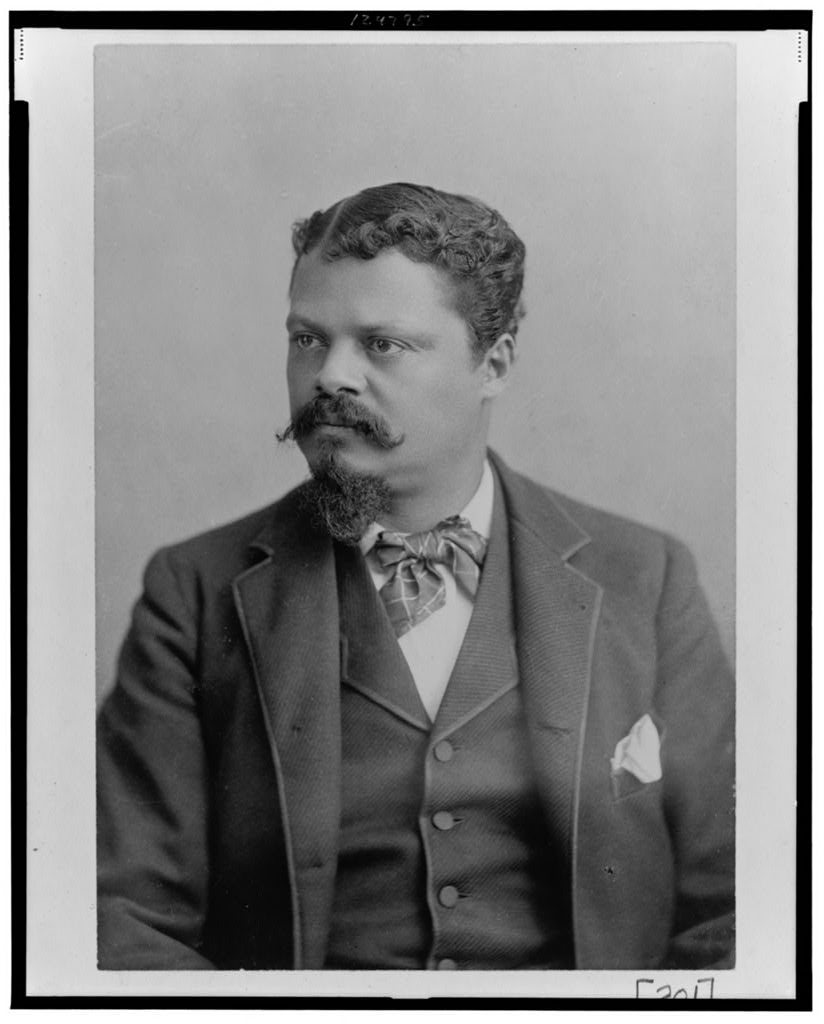
Thomas E. Askew was perhaps Atlanta’s first Black photographer. Born into slavery in 1847, he spent decades working in the darkroom of photographer C. W. Motes, a former Confederate soldier. After 22 years working for Motes, Askew moved his family to 114 Summit Avenue (near the Carter Center) and started running his own studio from the house.
Dr. W.E.B. Du Bois included photographs of Askew’s for the 1900 Paris Exposition on “Negro Life in Georgia, U.S.A.,” believing that Askew’s dignified portraits of Atlanta’s Black elite might combat racism with empirical evidence of the economic, social, and cultural conditions of African Americans. Du Bois said of the Askew portraits that viewers would find “several volumes of photographs of typical Negro faces, which hardly square with conventional American ideas.” These include Askew’s self-portrait and a picture made in his Summit Avenue studio of five of his sons with a neighbor. Askew died on July 12, 1914, and is buried in Oakland Cemetery. His home studio and camera equipment didn’t survive him for long, as his house burned in the 1917 Atlanta fire.
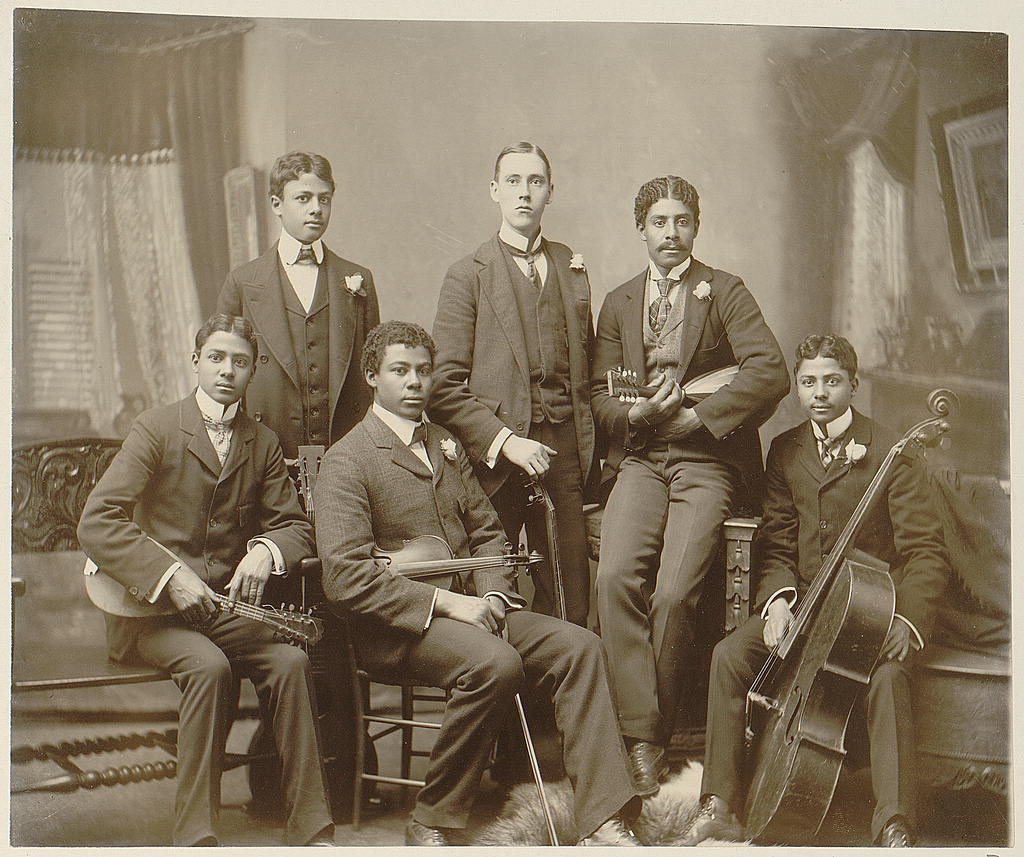
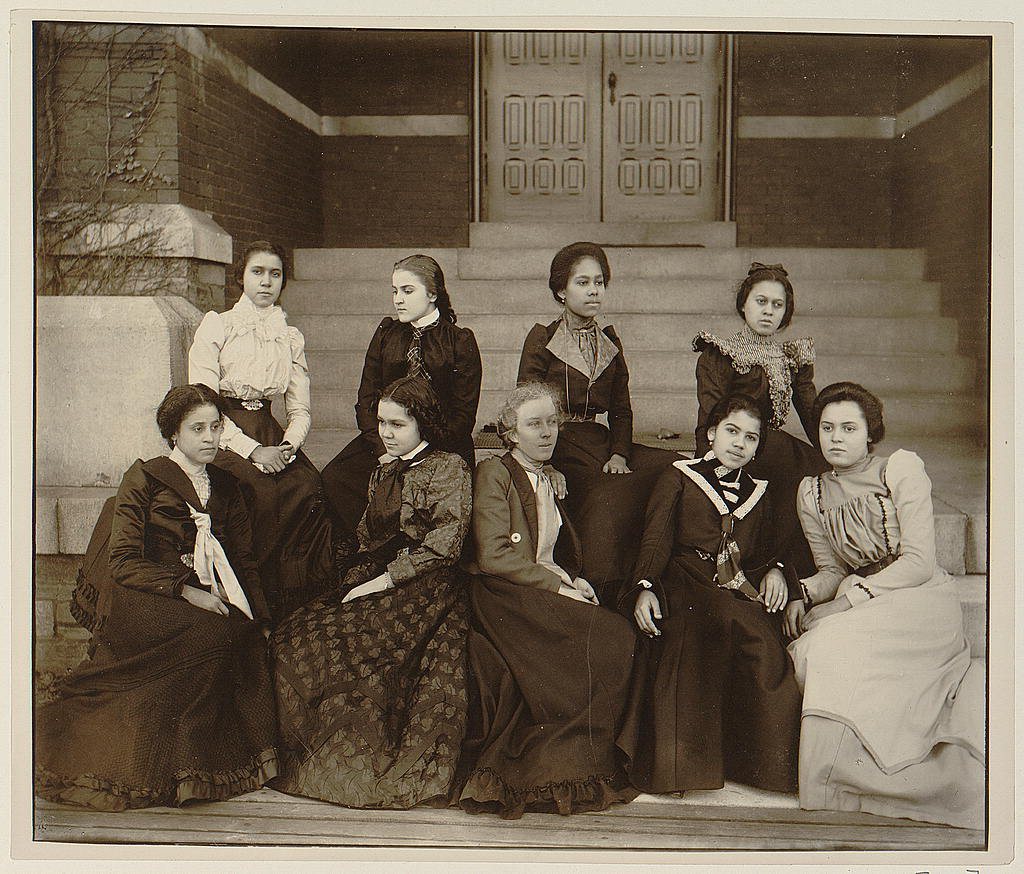
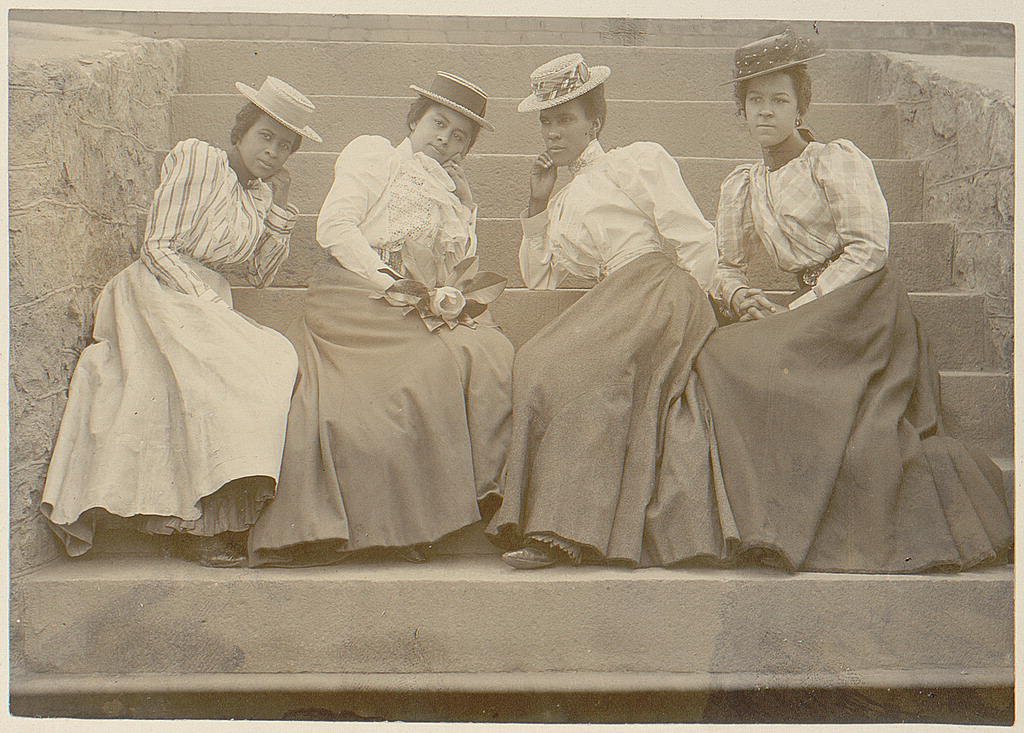
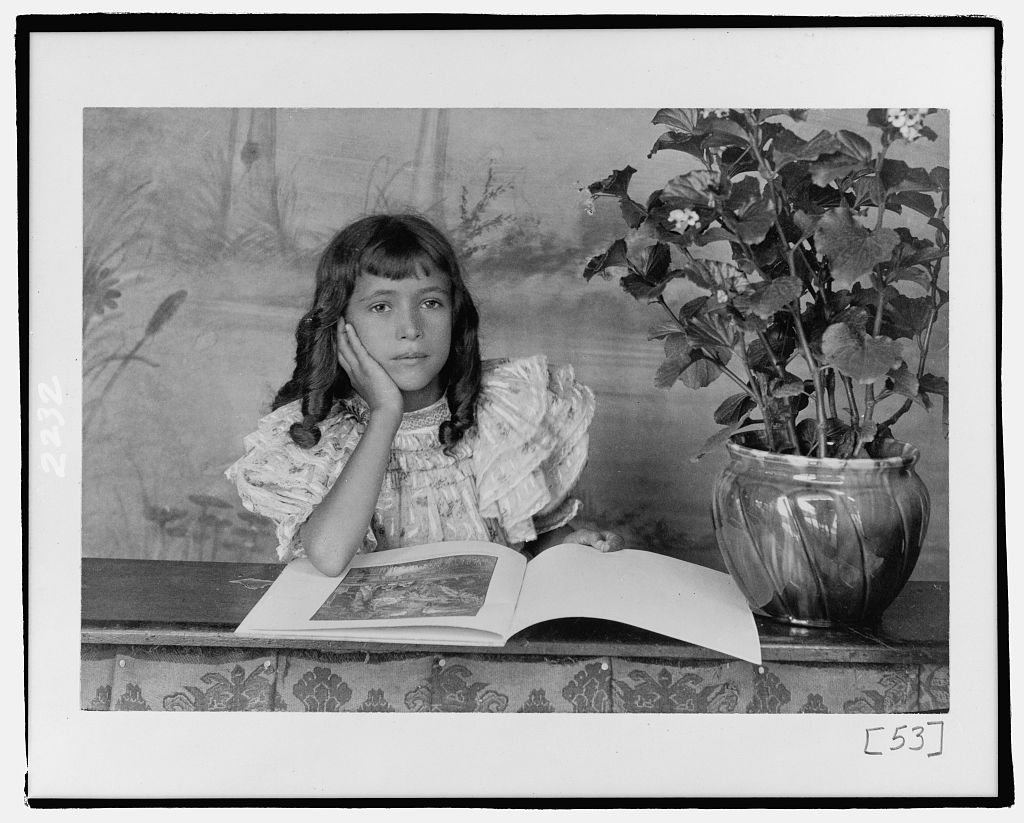
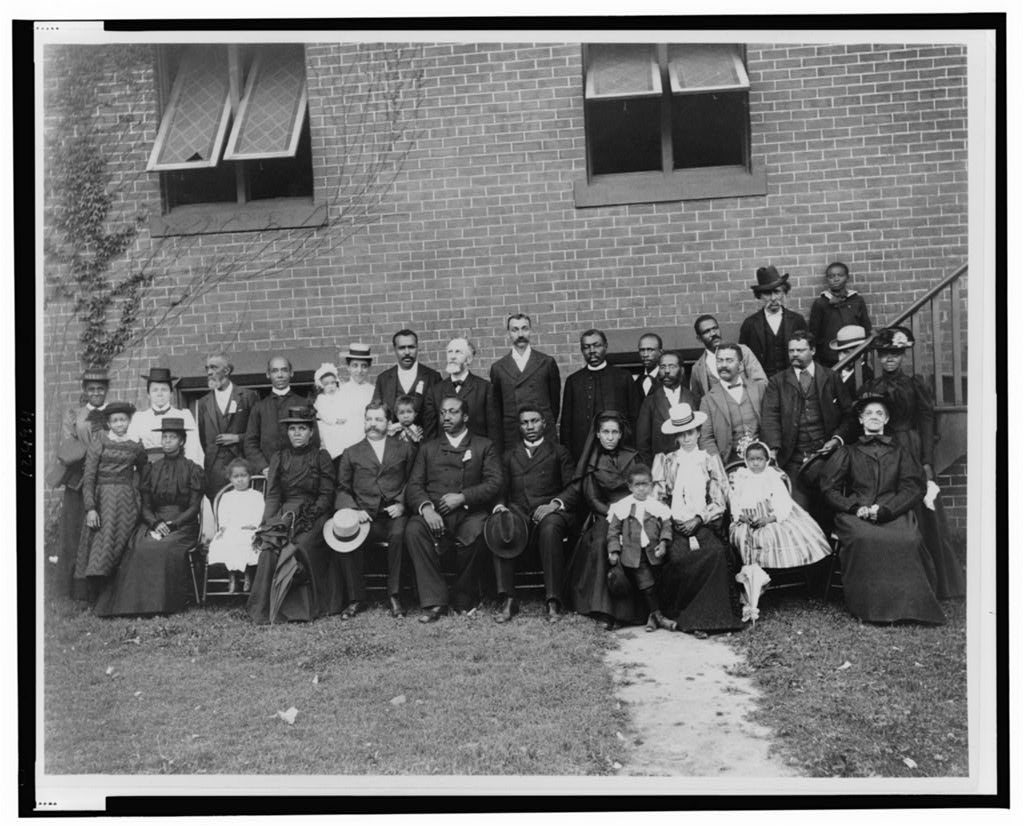
10. Loiette and William Lenney, Photographers. 88 Peachtree Street (then known as 60 Whitehall) · 1911
1868–1960 This third-floor studio stood on the Whitehall Street site that later held Rich's Department Store. William East Lenney, a Newport, Pennsylvania, photographer, married Loiette Keim in 1892, and late in 1893 they rented a studio above William Lycett's china painting school at 83½ Whitehall.
A 1903 Georgia Supreme Court opinion says the business belonged to Loiette, who also retouched its negatives while raising their four children. The family drove to California in a Model T in late 1921 or early 1922, where William went into real estate. Hunting & Gathering Blog
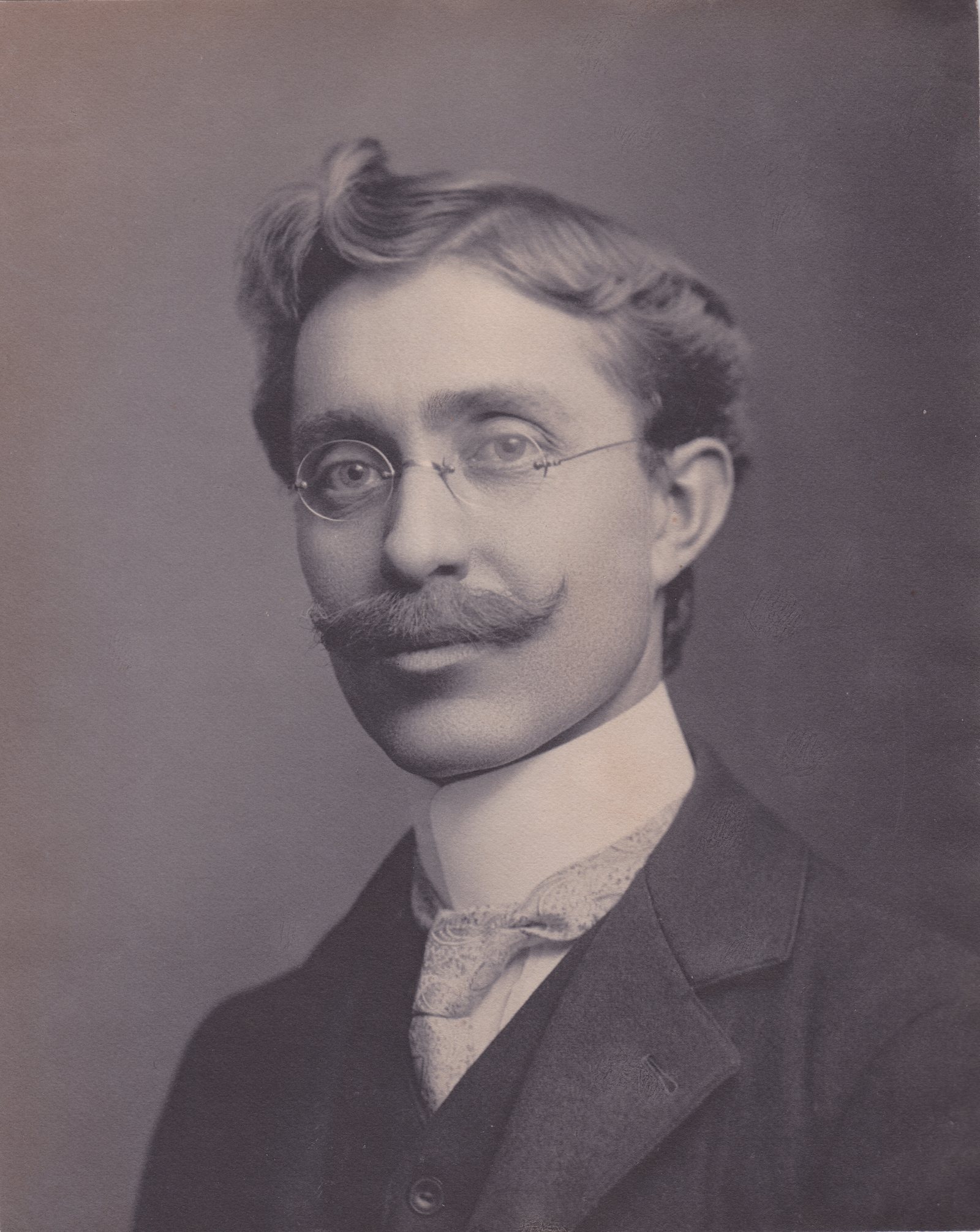
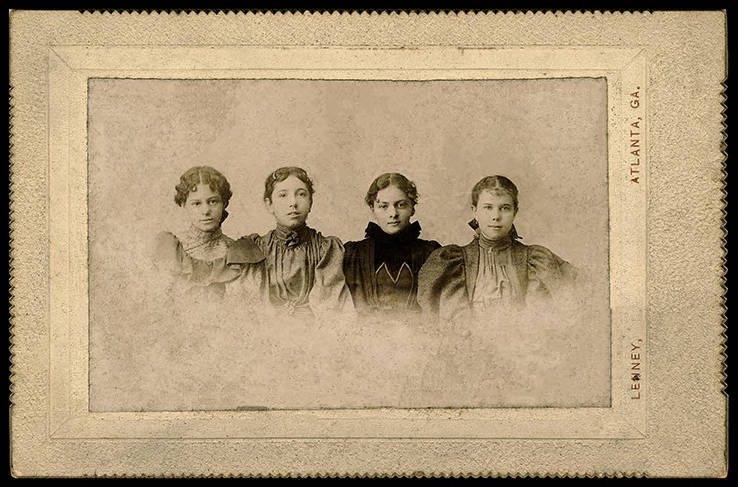
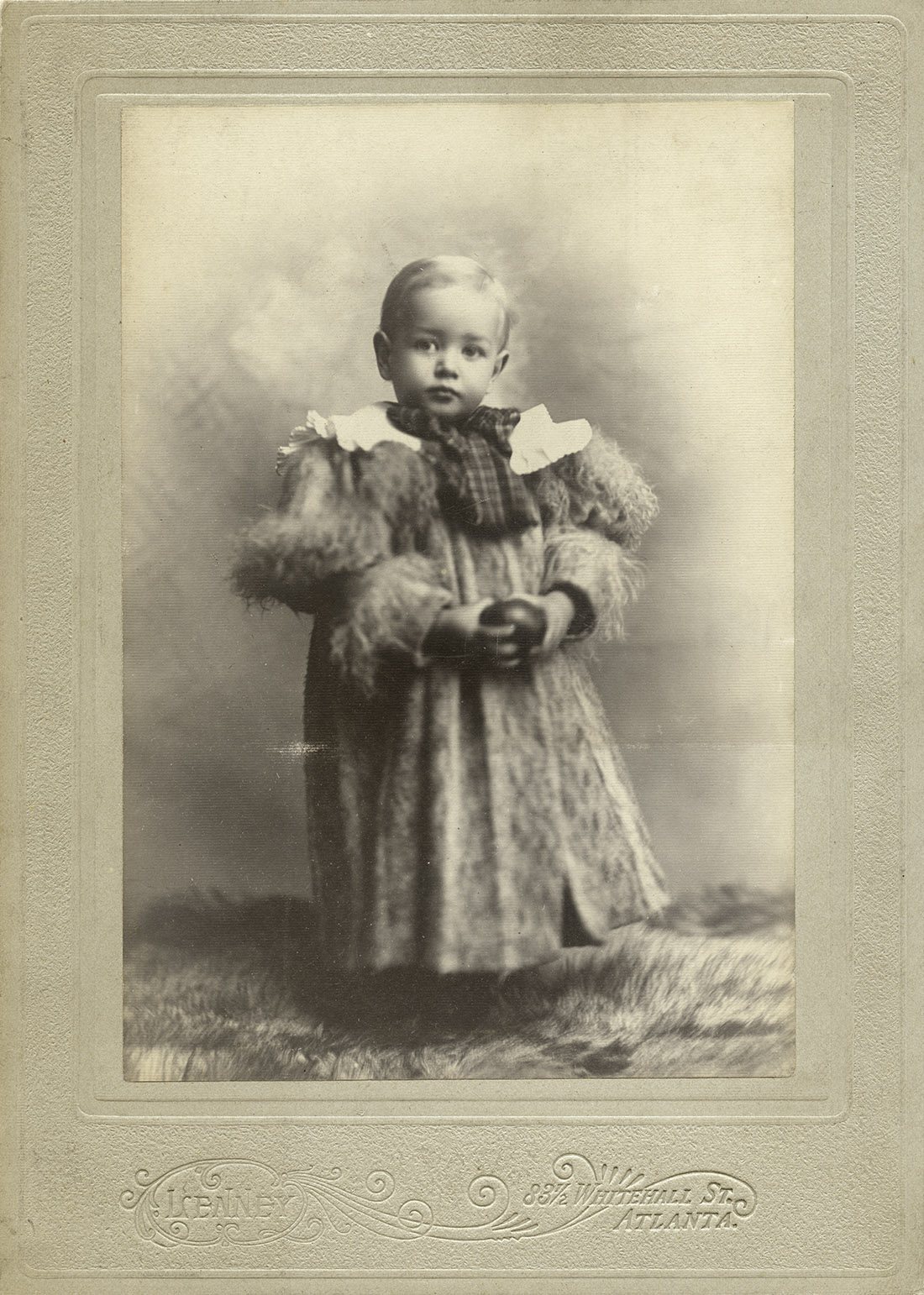
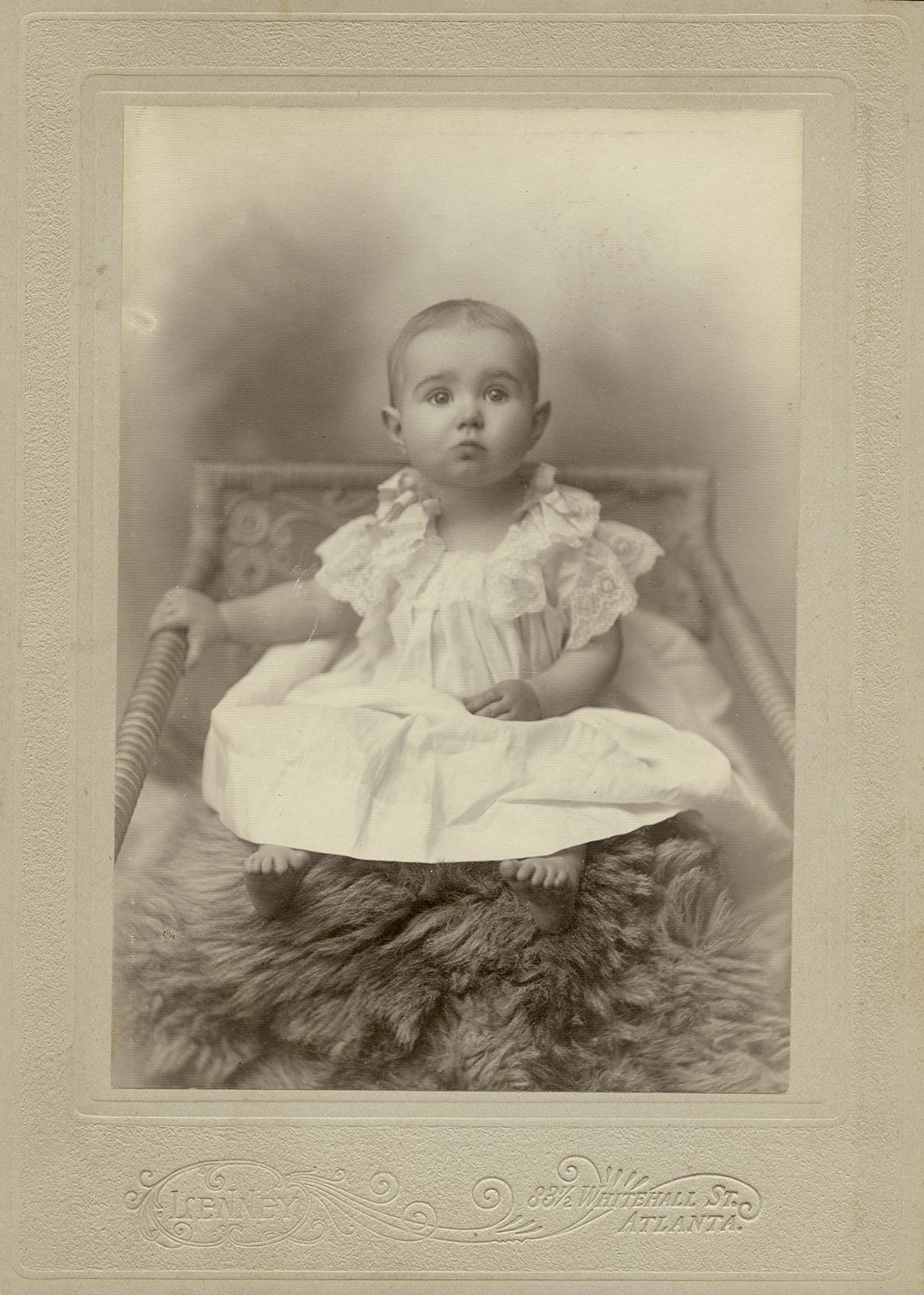
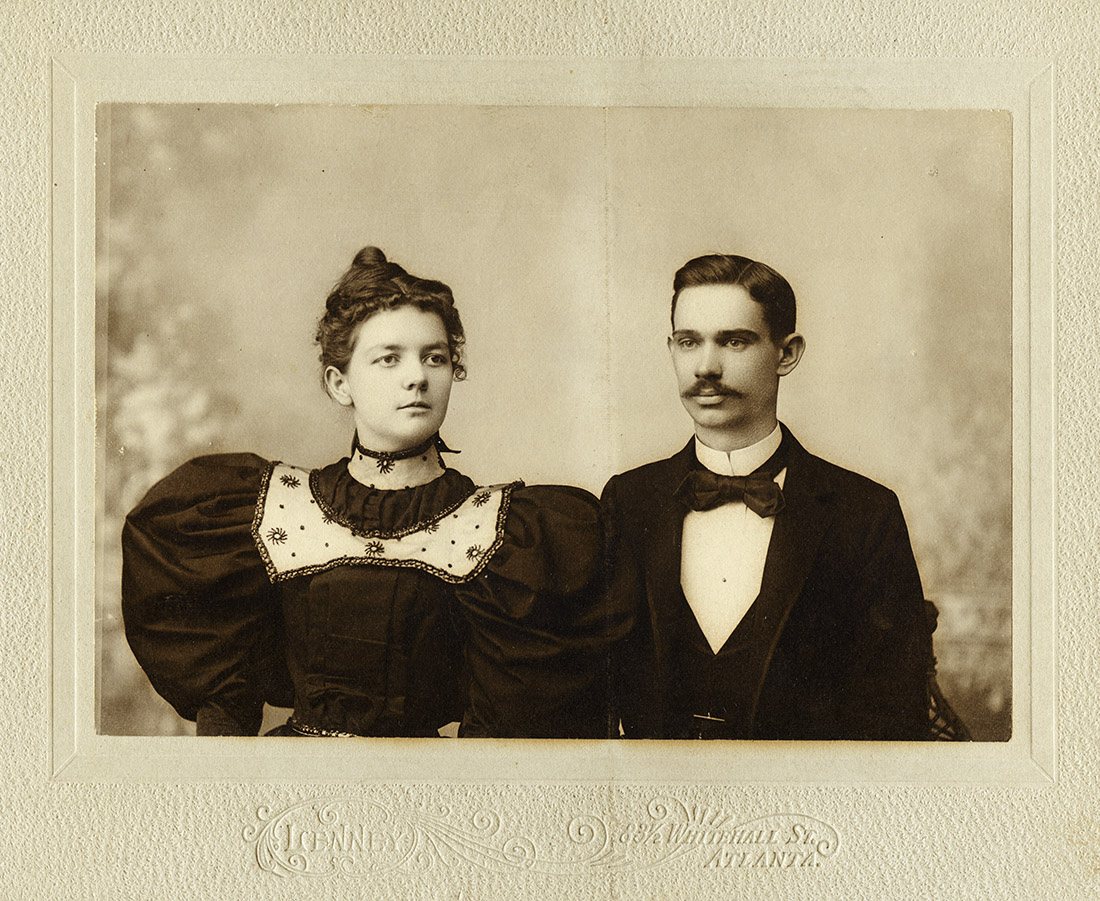
11. Mrs. Linnie Condon, Photographer. 115 Peachtree Street (then known as 83 Whitehall) · 1892 and 1899
About 1844–1909 This top-floor studio had a photographer's skylight, and its site is now a storefront beside the South Downtown mural now painted in the style of an American flag. Linnie Condon came to Atlanta from Louisville late in 1890 and opened her first studio in a small room at 83½ Whitehall.
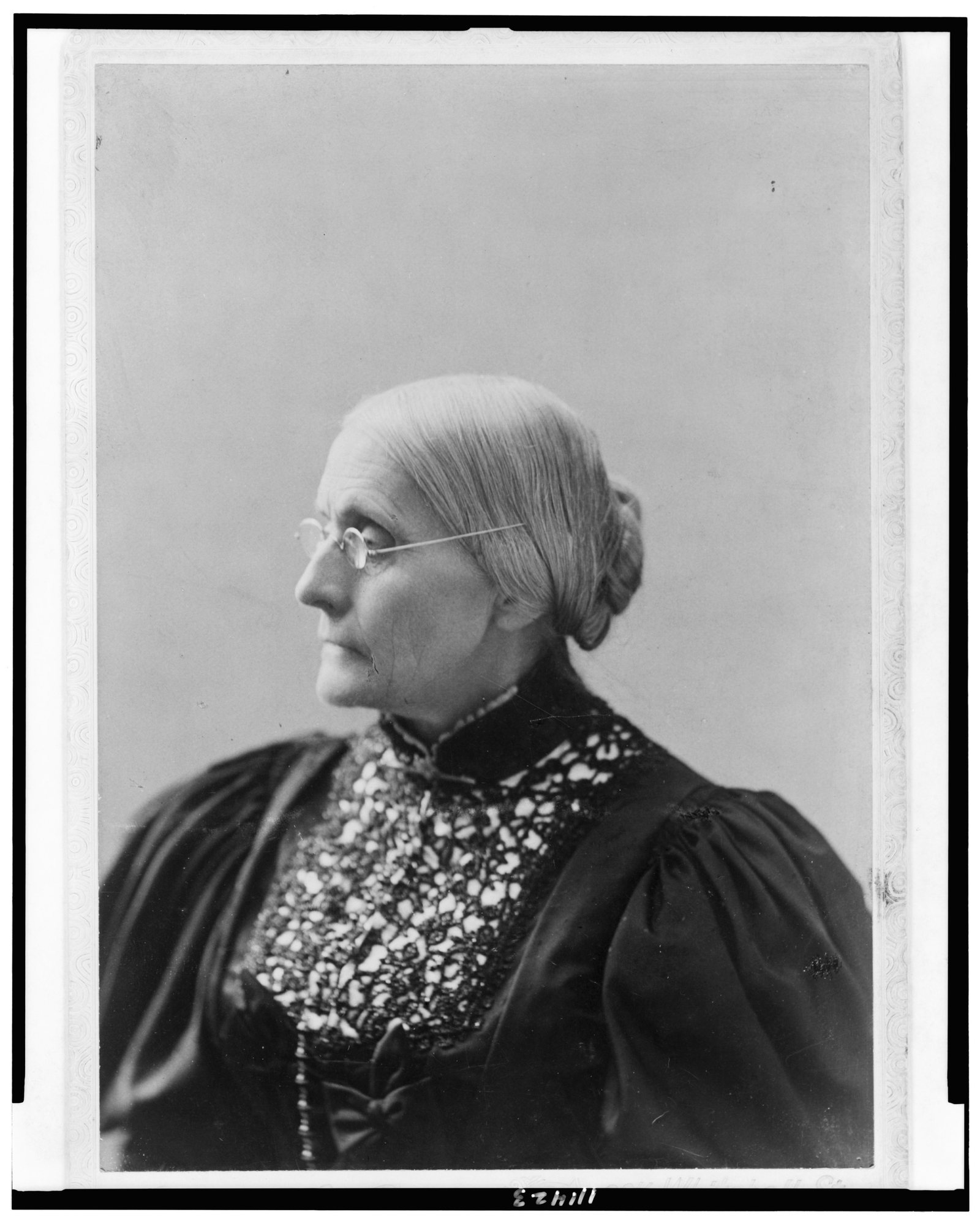
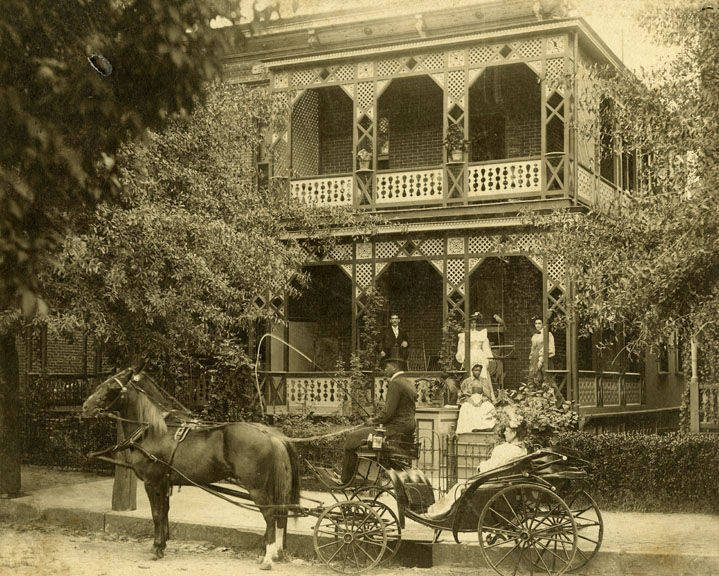
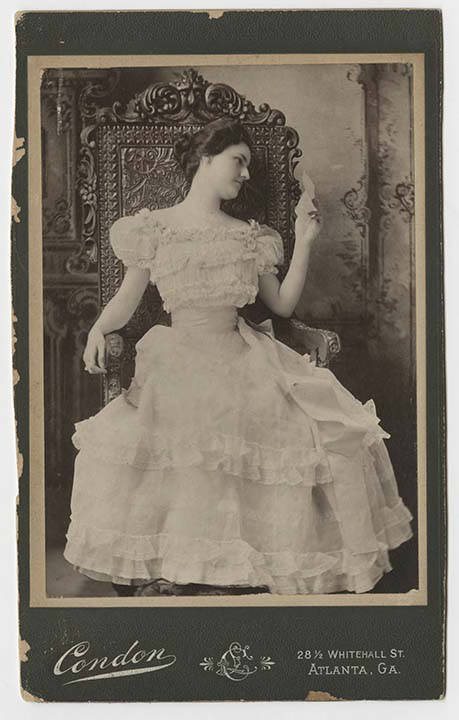
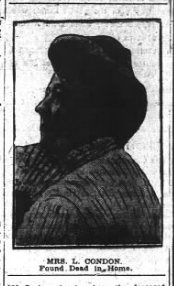
Condon had moved by 1900 to 28½ Whitehall, a far grander space taking up three separate floors for a sales gallery, a sitting studio, and a darkroom. She became known as Atlanta's society photographer, prized for her portraits of its women's fashions. She photographed suffragist Susan B. Anthony in 1890. Anthony was so pleased with the image she ordered 500 of them to be mounted on cards to forward to friends and admirers.
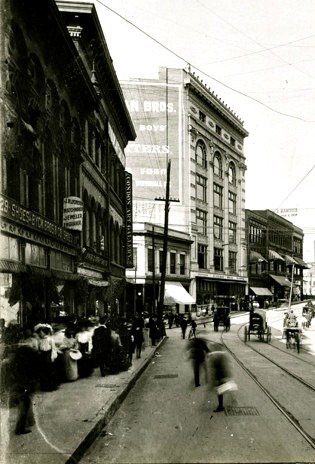
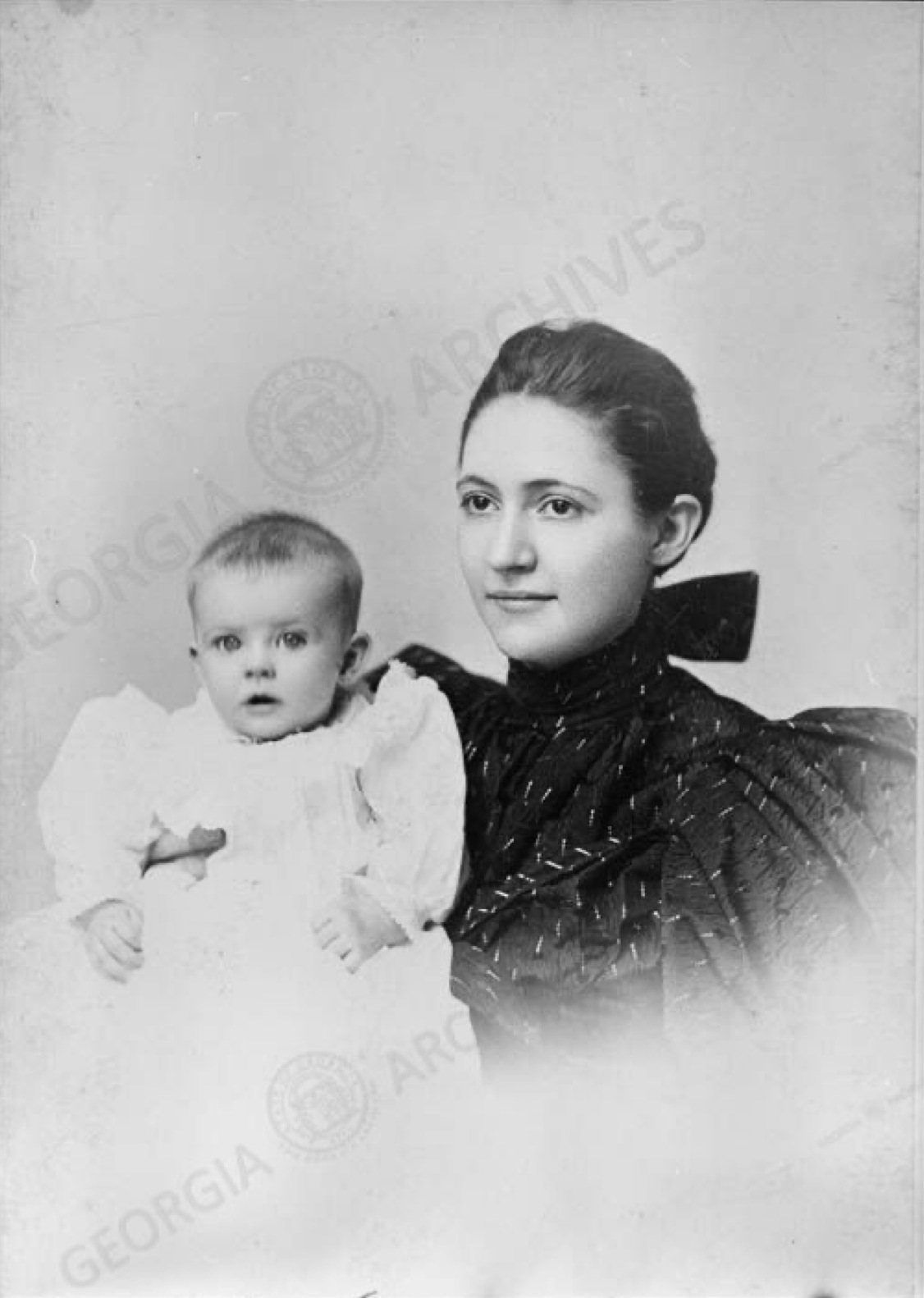
12. Charles F. McDannell, Photographer. 115 Peachtree Street (then known as 83 Whitehall) · 1899
About 1867–1916 Charles F. McDannell had taken over Linnie Condon's skylit photo studio here by 1899. He had photographed in Milledgeville with his father-in-law, T. J. Fairfield, and in at least ten other Georgia towns before moving to Atlanta in October 1897.
McDannell's Atlanta studio employed his wife's family and, in 1910, Lula Chisolm, an African American photo printer. He made the Settlement Home kindergarten pictures about 1905 and in 1912 copyrighted a panorama of Carrollton made for him by O. V. Fowler. Hunting & Gathering Blog
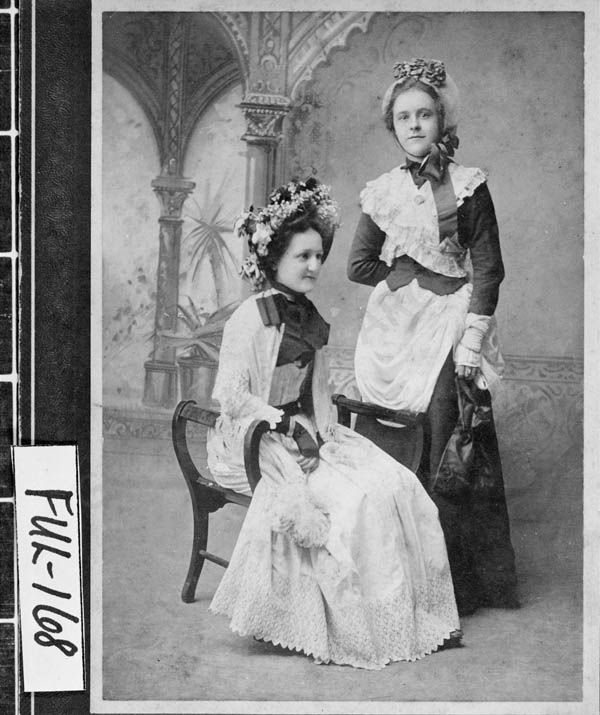
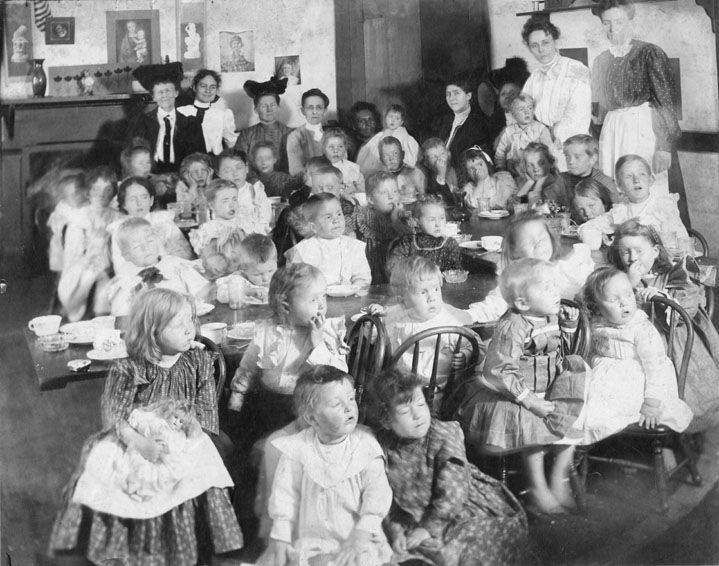
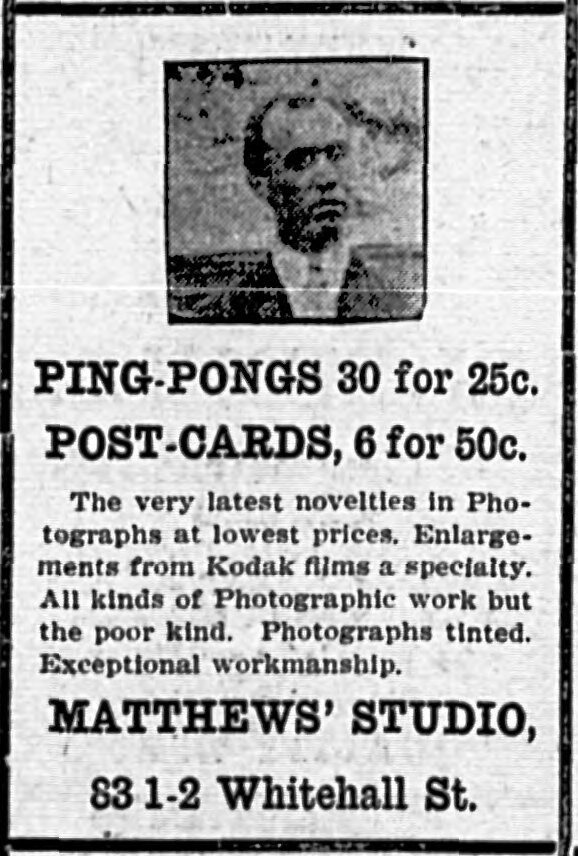
13. Matthews Studio. 115 Peachtree Street (then known as 83 Whitehall) · 1911
By 1911 Charles F. McDannell's studio had become the Matthews Studio. Lula Matthews owned it, and the 1909 and 1910 directories list it at 83½ Whitehall. The room, above William Lycett's china painting studio, had been rented to photographers since Linnie Condon took it in 1890. By 1912 J. G. Andrew worked at the address; he may be James G. Andrew, a photographer for Edwards & Son in 1909.
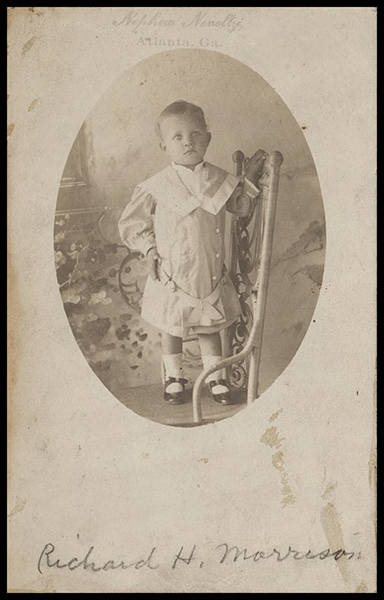
14. John Nephew, Photographer. 121 Peachtree Street (then known as 89 Whitehall) · 1911
John Nephew's second-floor studio once stood on Whitehall Street where a parking lot is today. He is listed as a photographer here from 1906 to 1912, with his wife Leonora. The Atlanta History Center holds a portrait credited to a Nephew Novelty Studio, cataloged about 1890, earlier than his Atlanta listings.
15. Adams Photo Supply Co. 50 Alabama Street (then known as 9 West Alabama) · 1899
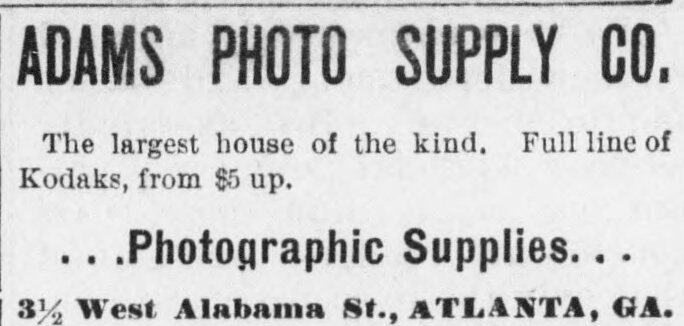
This photographic supply store once stood where the Five Points MARTA station is today. Frank K. Adams managed it from 1897 to mid-1898, and A. L. Osborne from late 1898 into 1899. For 1897 alone the firm also went by Walker Photo Stock Co., in the room at 3½ West Alabama Street that had earlier housed the Gate City Photo Stock Depot.
16. Atlanta Photograph Co. 74 Peachtree Street (then known as 42 Whitehall) · 1892
This top-floor studio near today's Underground Atlanta had a north-facing photographer's skylight. The Atlanta Photograph Co. opened at 40½ Whitehall, in the Hirsch Building, in 1888, and in December 1890 advertised a new gallery with toilet rooms and an elevator.
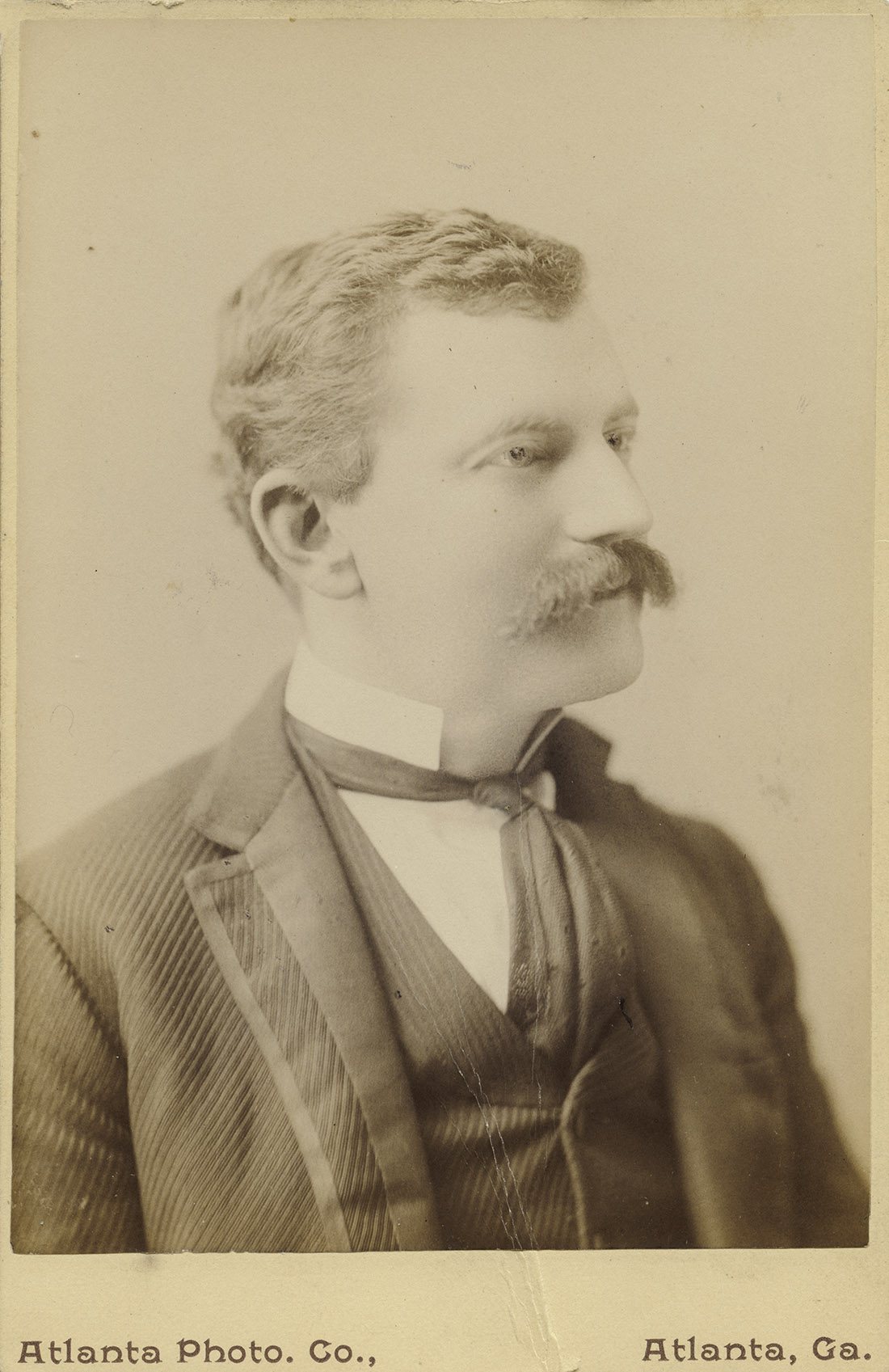
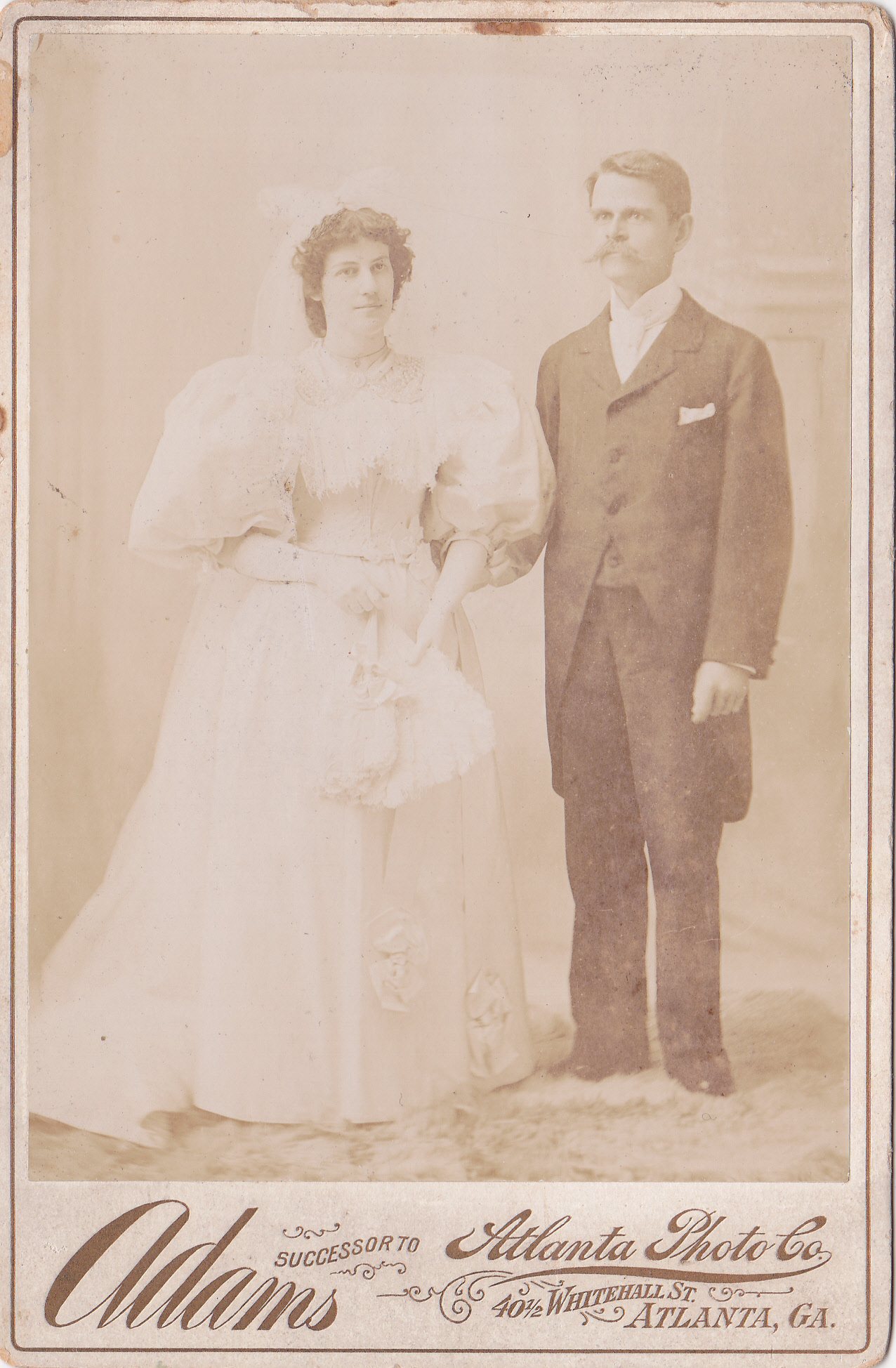
William F. Motes, brother of Columbus W. Motes, managed it from 1891 to 1893, with C. C. Krutch as camera operator. J. Quinton Adams bought the whole firm in 1895, and it became the Adams Photo Studio. Hunting & Gathering Blog
17. Adams Photo Studio. 74 Peachtree Street (then known as 44 Whitehall) · 1899 and 1911
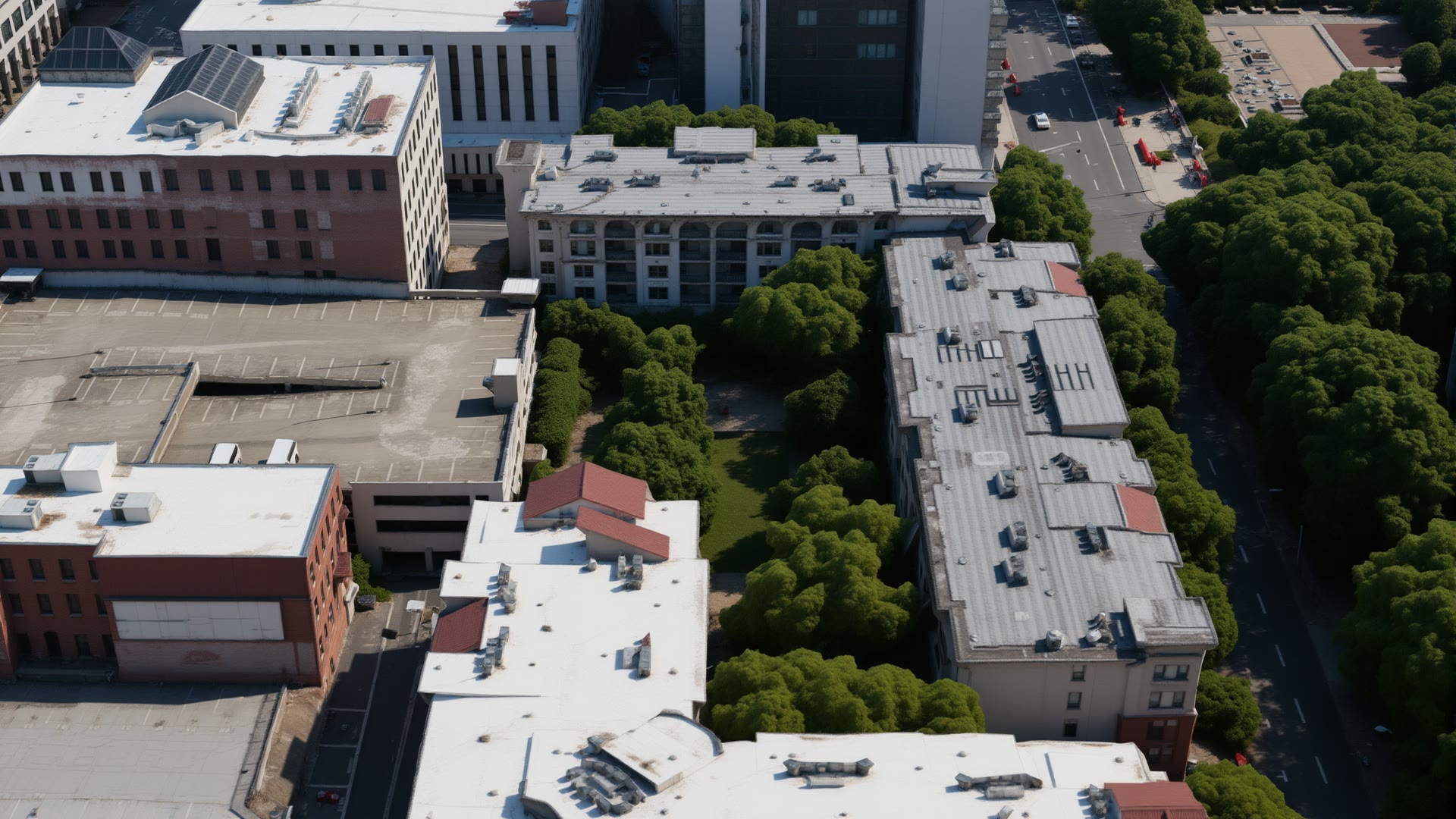
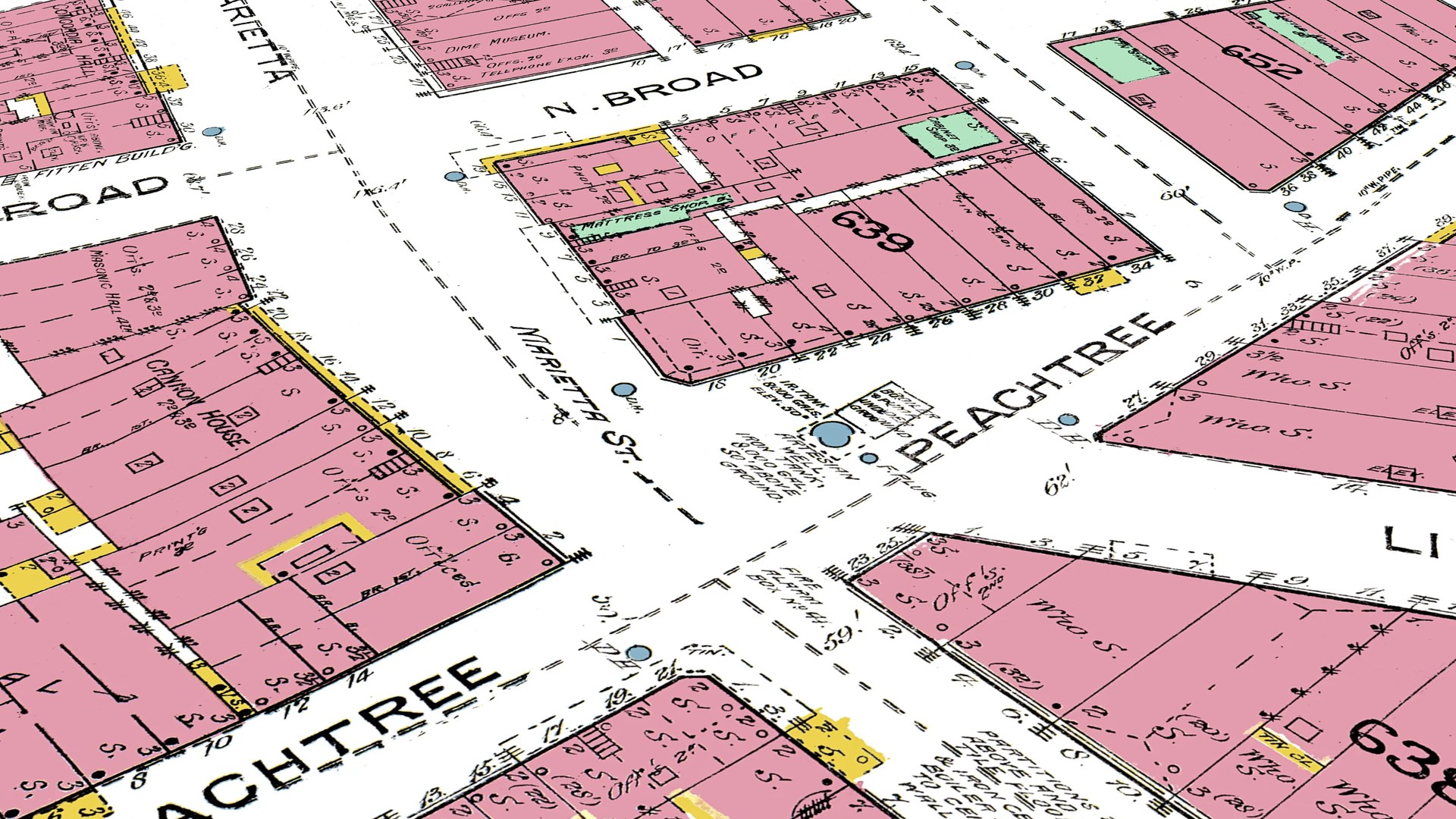
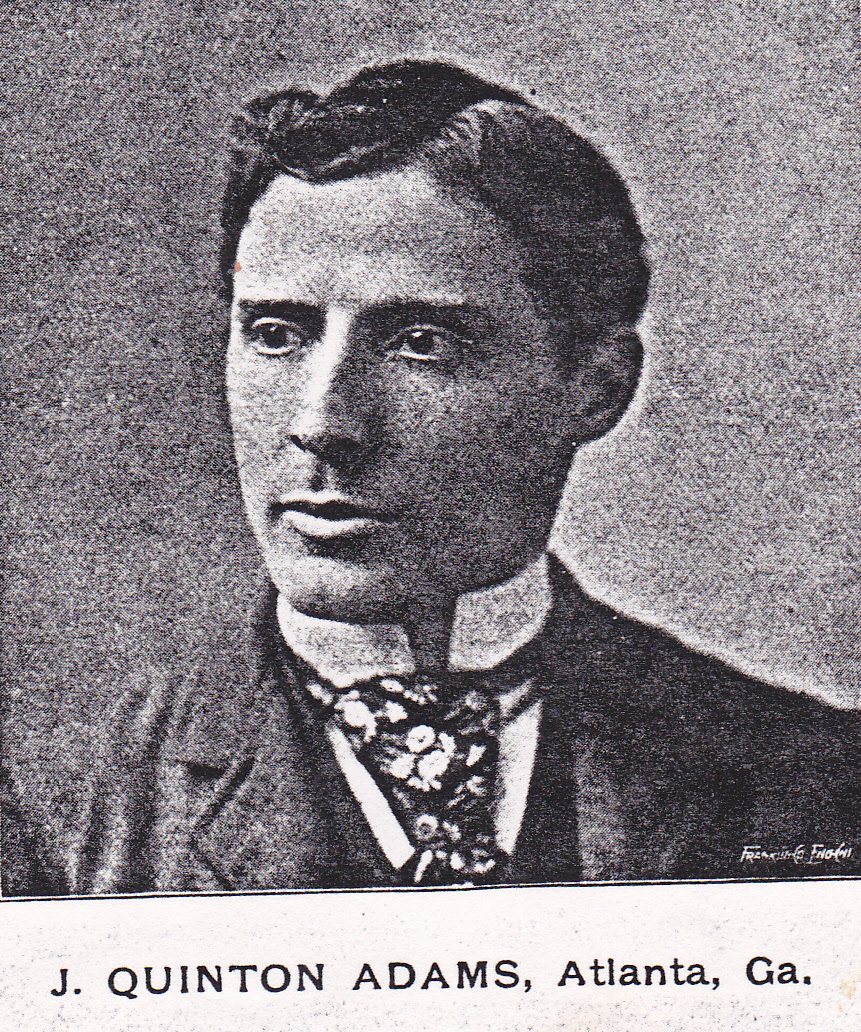
1859–1927 This top-floor studio stood next to today's Fulton County Government building. The 1899 Sanborn map draws its north-facing skylight, the source of soft, even light, in unusual detail. John Quinton Adams, born in Lynchburg, Virginia, in 1859, came to Atlanta about 1889 and finished and retouched prints for Columbus W. Motes from 1890 to 1893.
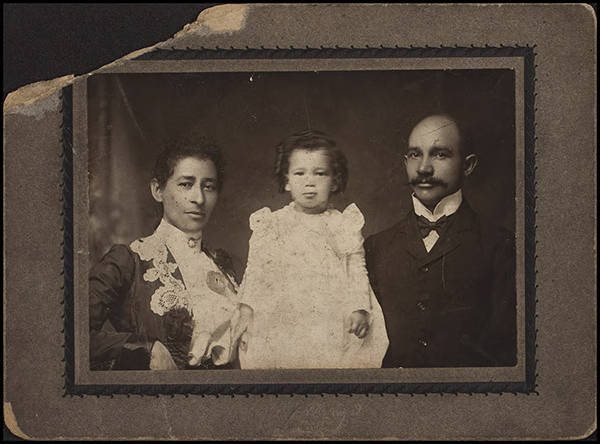
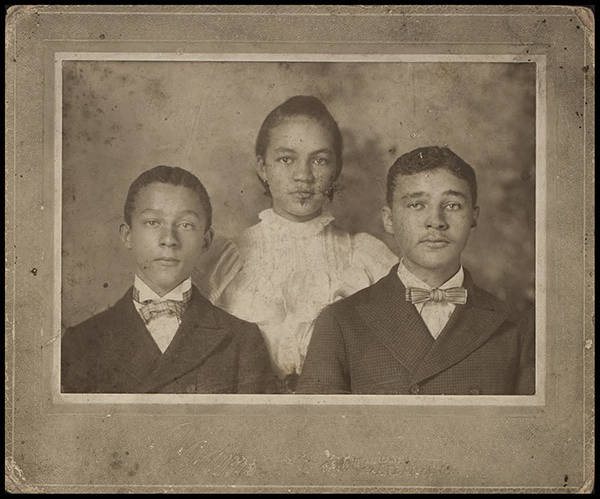
Adams bought the Atlanta Photograph Co. at 40½ Whitehall in 1895 and put his own name on it as the Adams Photo Studio. The studio had a racially integrated clientele, not a universal practice among the studios of Whitehall Street. Adams died November 21, 1927, at Grady Hospital after an automobile accident. Hunting & Gathering Blog
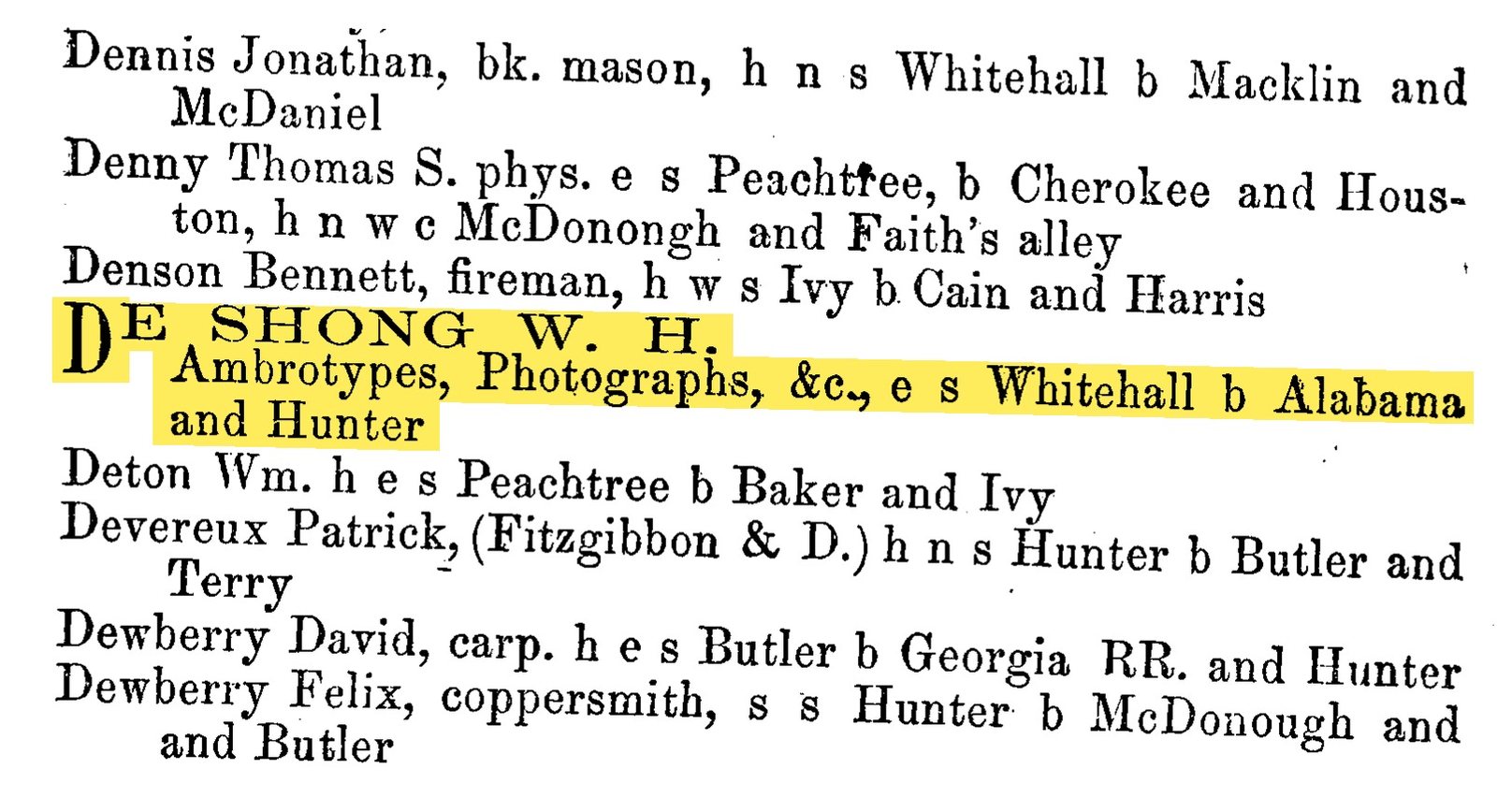
18. William H. DeShong, Ambrotype and Photograph Gallery. East side of Whitehall Street between Alabama and Hunter, over S. J. Shackelford’s auction house · 1859 directory
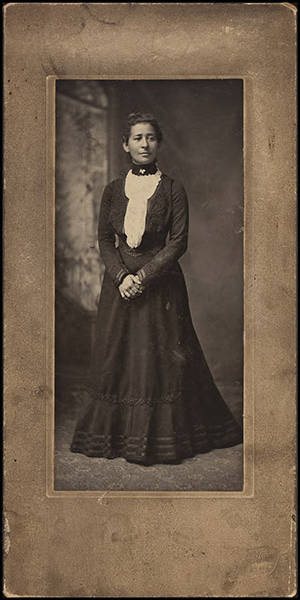
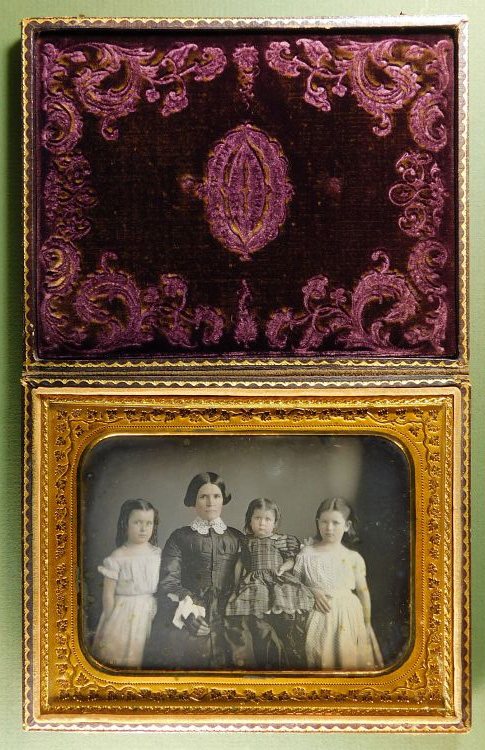
William H. DeShong kept a gallery on the east side of Whitehall Street between Alabama and Hunter Streets, today's Peachtree Street SW between Alabama Street and Martin Luther King Jr. Drive, over S. J. Shackelford's auction house. Atlanta's first city directory, for 1859 and 1860, lists him as one of four names under “Photographs, Ambrotypes, &c.” He had worked as a daguerreotypist since 1851, in Yorkville, South Carolina, Mobile, St. Louis and Memphis. At the fair held in Atlanta in October 1859 he showed whole-plate melainotypes, an early name for tintypes. A fire on the night of November 16, 1859, destroyed the gallery. Pioneer American Photographers
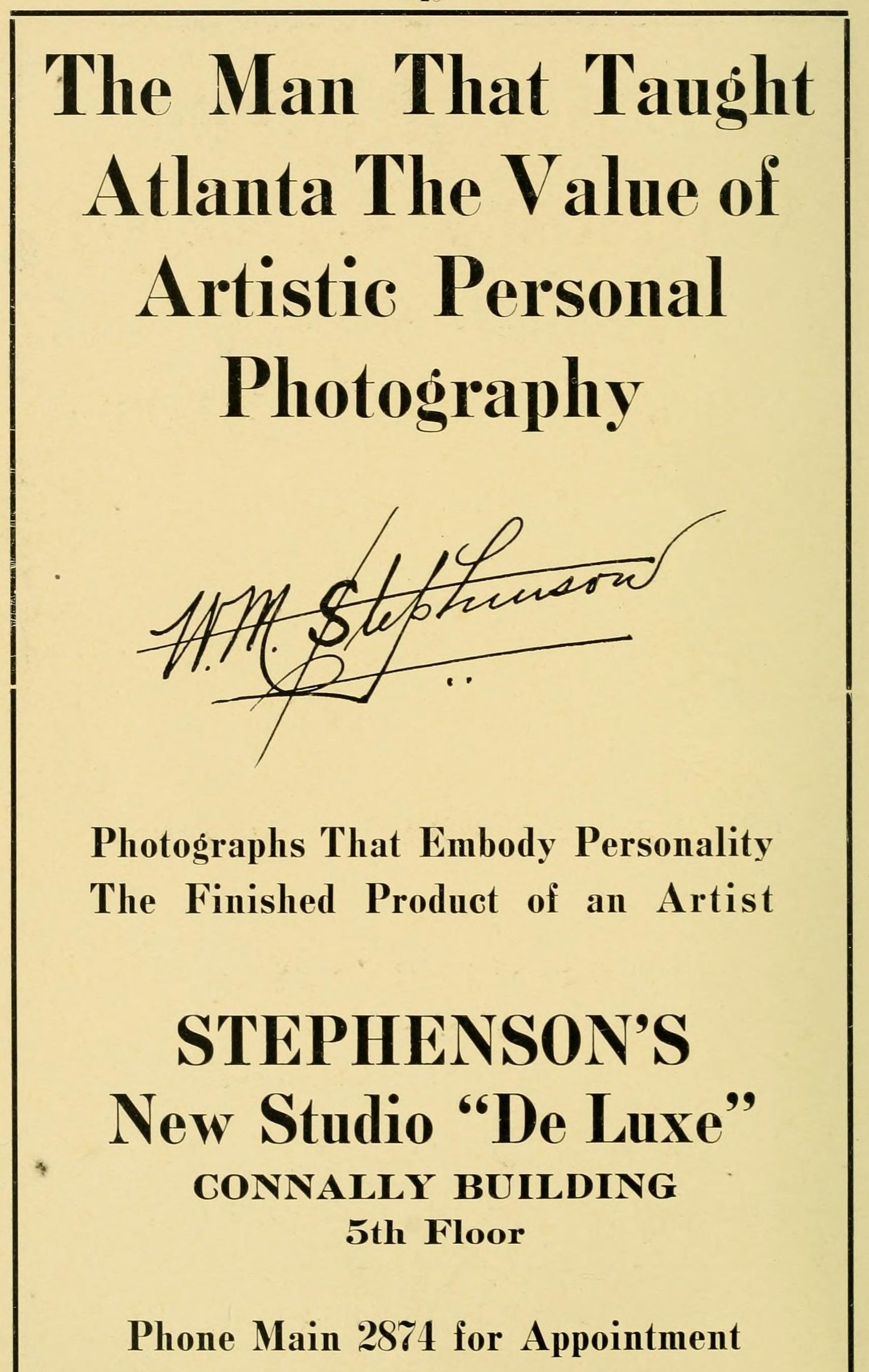
19. William M. Stephenson, Photographer. 68 Peachtree Street (then known as 38 Whitehall) · 1911
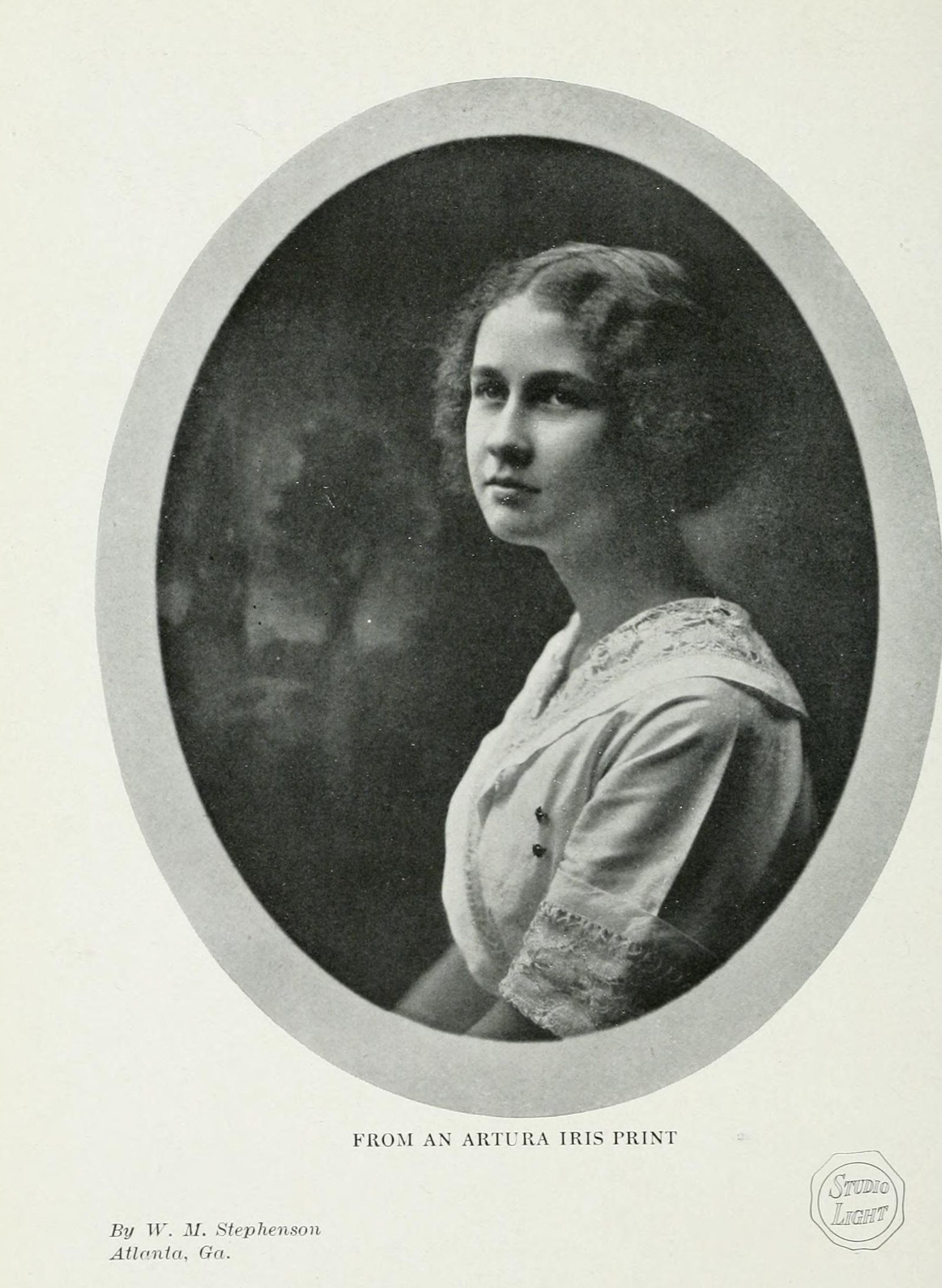
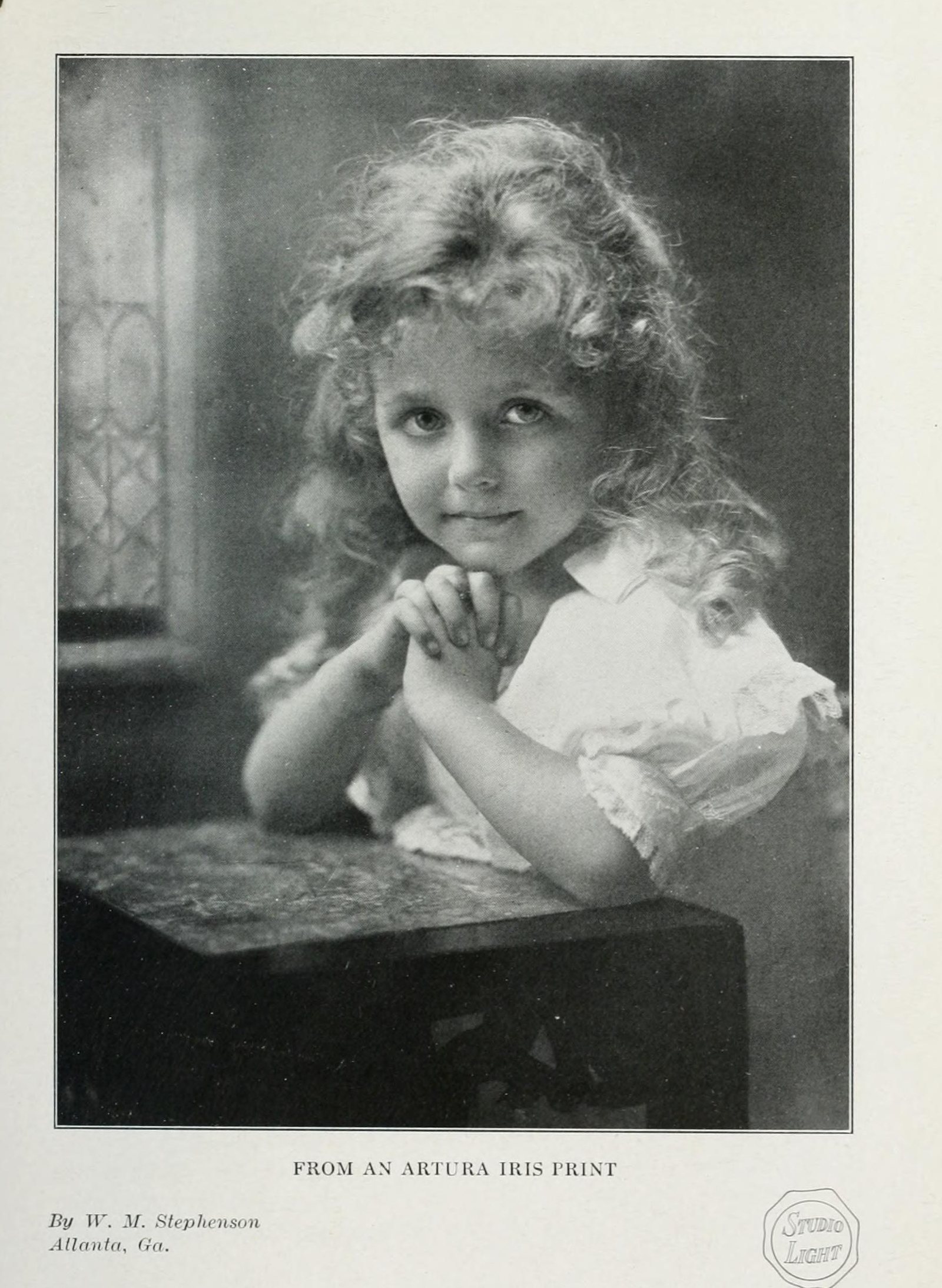
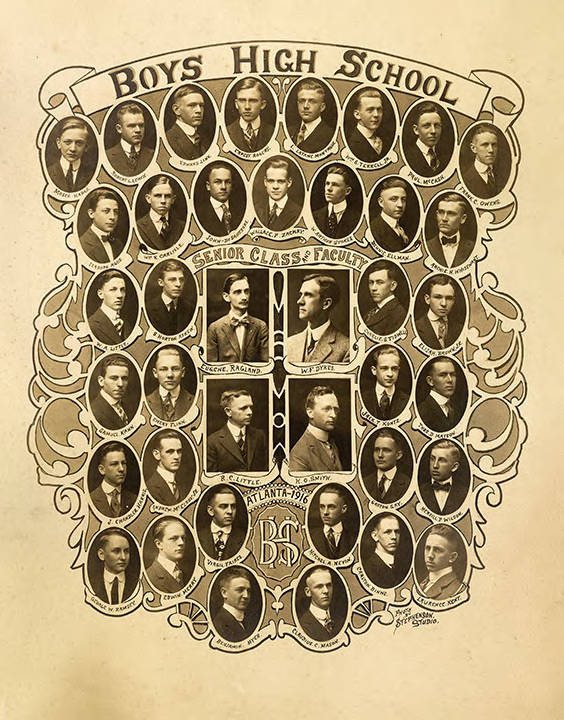
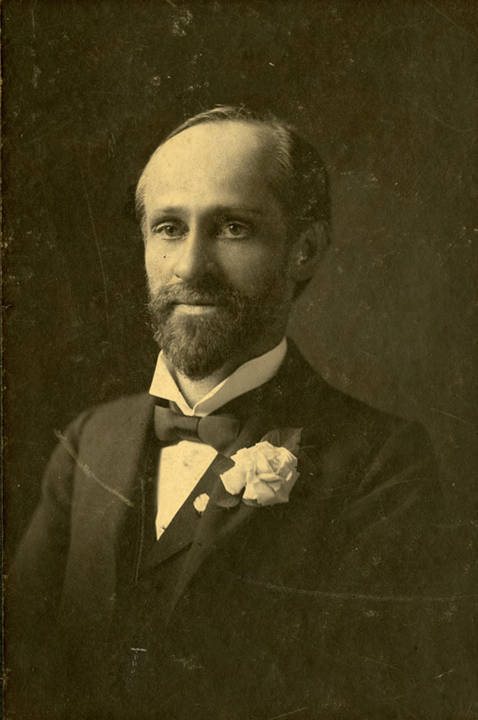
About 1875–1941 This third-floor studio sat over a moving picture theater on a Whitehall Street block that is now part of the South Downtown redevelopment. William Modawell Stephenson started as a printer for William T. Kuhns about 1889 and was a partner in Moore & Stephenson from 1899. He wrote on posing and lighting for Atlanta's Art and Photography magazine in 1903 and was president of the Southern Tri-State photographers' association in 1904.
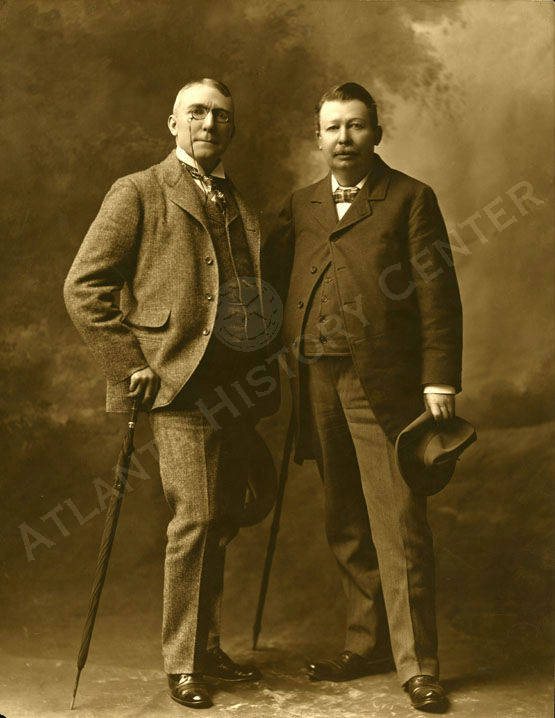
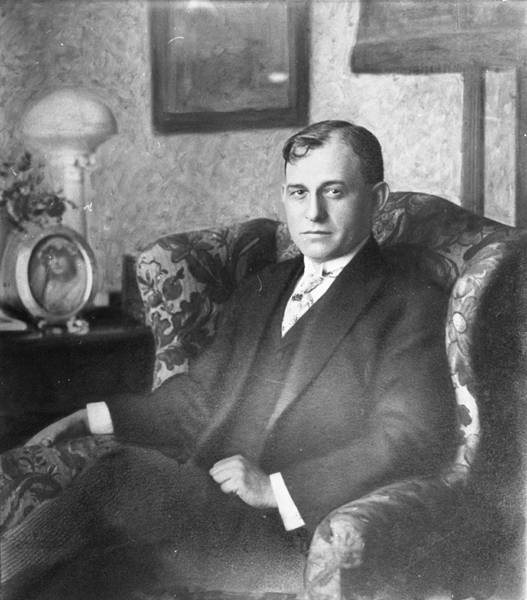
Stephenson's 1916 advertisement called him 'The Man That Taught Atlanta The Value of Artistic Personal Photography.' On the right you can see Stephenson's 1902 portrait of author Joel Chandler Harris, author of the Uncle Remus stories, and 1910 portrait of future Gov. Hugh Dorsey, who would ride his prosecution of the unjustly accused Leo Frank into the Governor's office and created the atmosphere that led to the creation of the Ku Klux Klan.
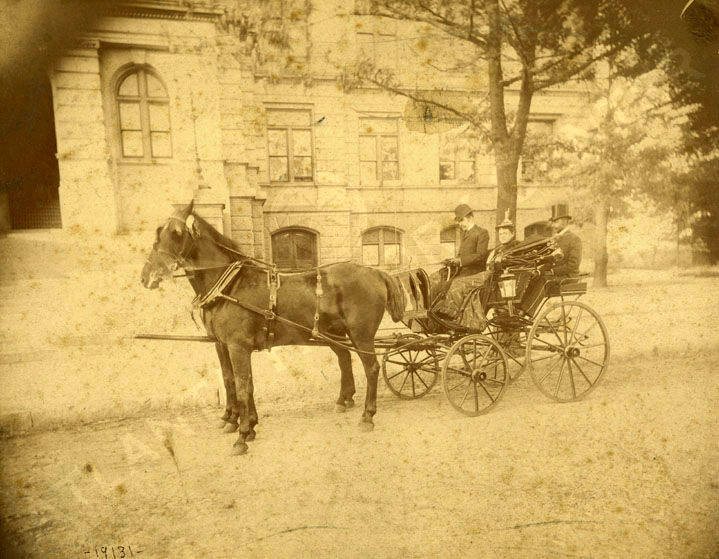
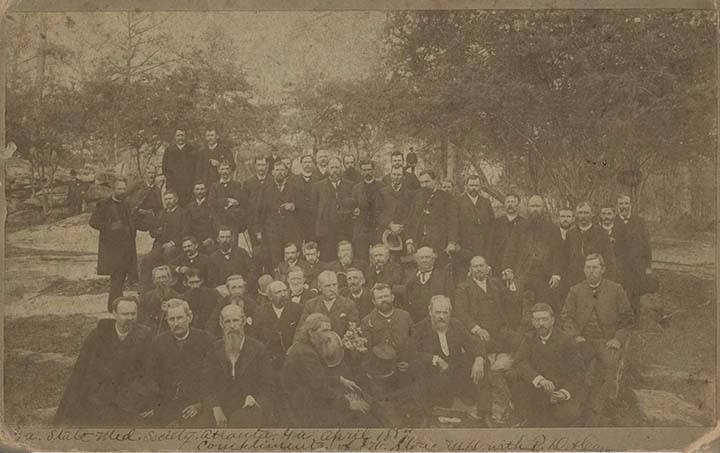
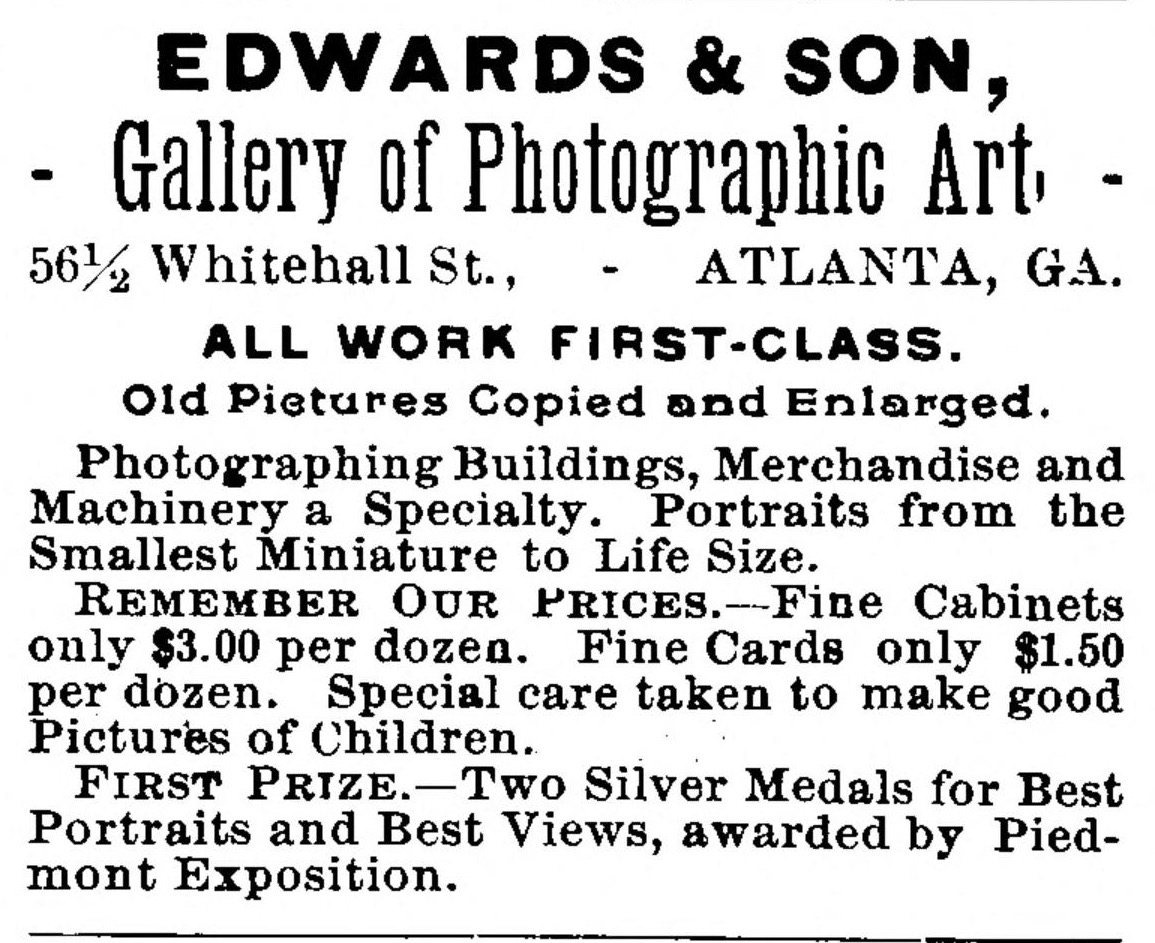
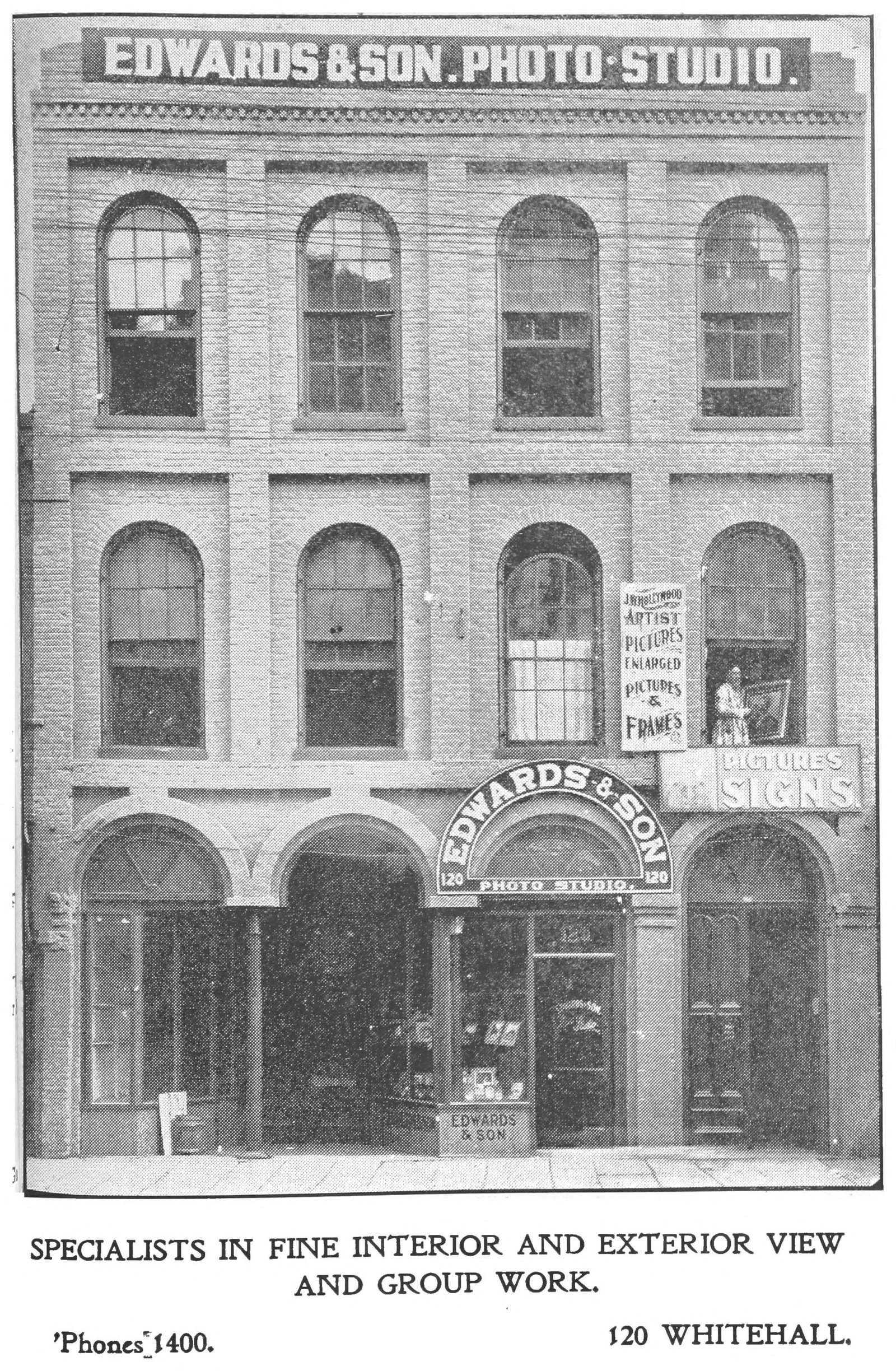
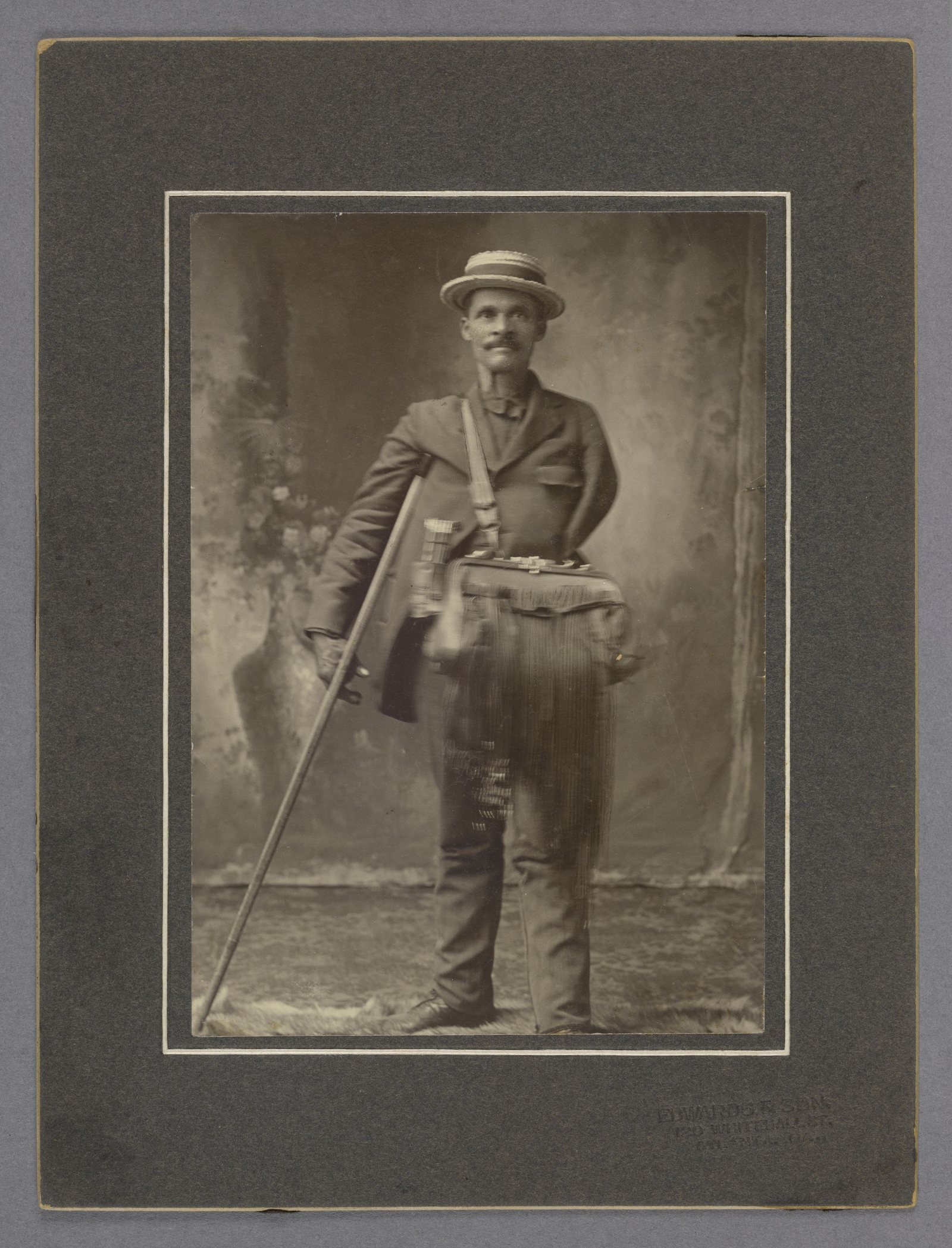
20. Edwards & Son, Photographers. 82 Peachtree Street (then known as 56 Whitehall) · 1886
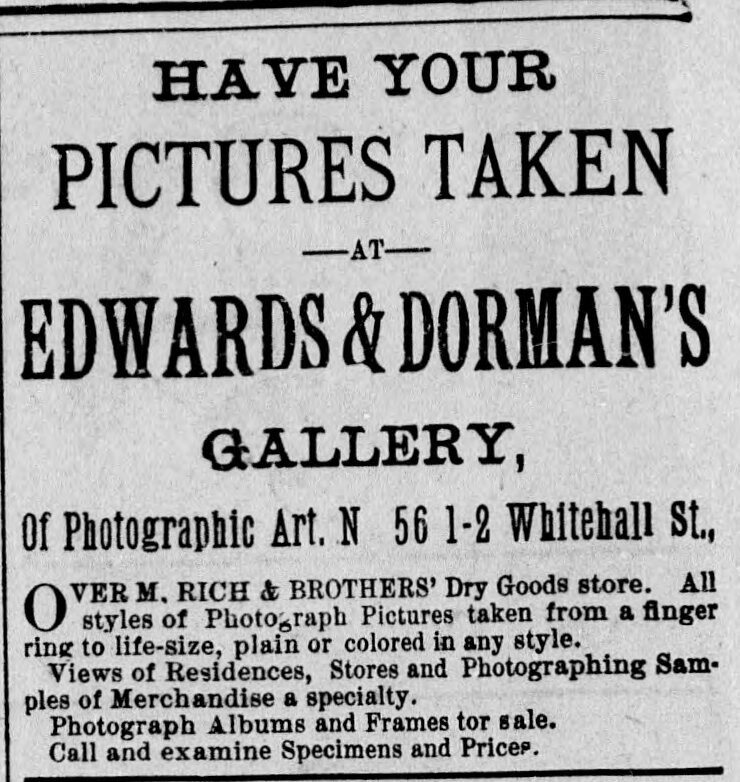
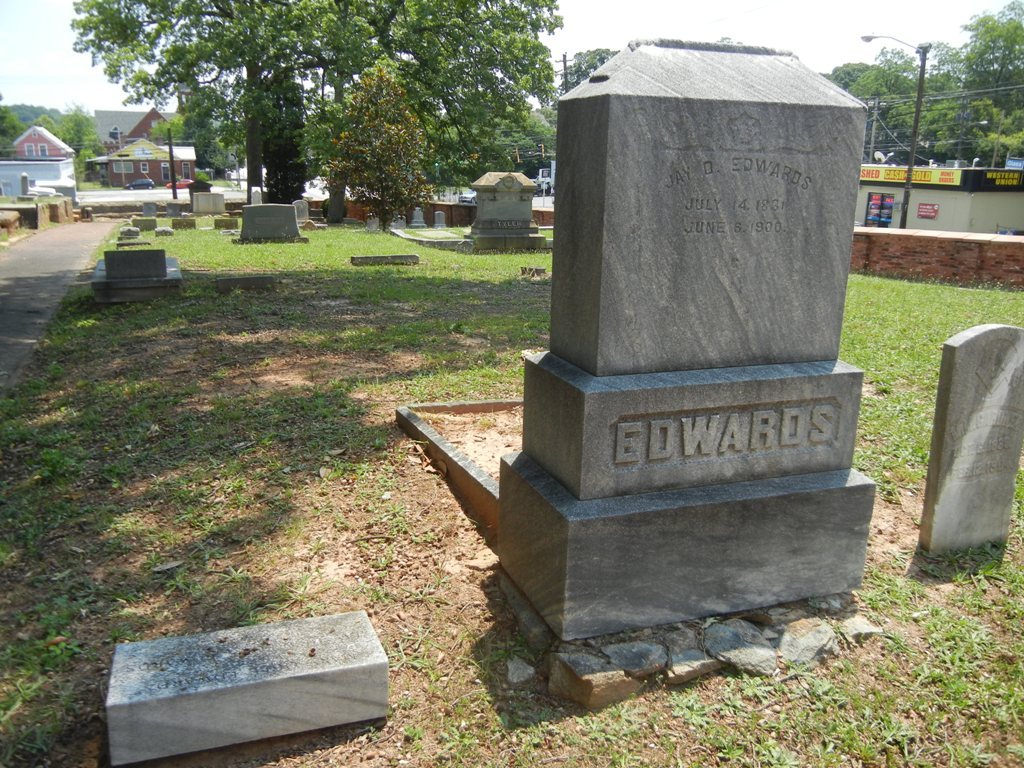
Jay D. Edwards, 1831–1900 · William M. Edwards, born 1864 This second-floor studio with a skylight stood on the Whitehall Street site that later held Rich's Department Store. Between 1858 and 1861 Jay Dearborn Edwards photographed the streets of New Orleans on salted paper, pictures now thought to be the oldest of their kind made there, and his 1861 views at Pensacola are among the first Confederate field photographs.
Edwards opened an Atlanta studio in 1886, briefly with his son-in-law Louis K. Dorman, then with his son William as Edwards & Son, making landscape, commercial and studio pictures. Jay died in 1900 and lies in Oakland Cemetery; Edwards & Son was last listed in 1922.
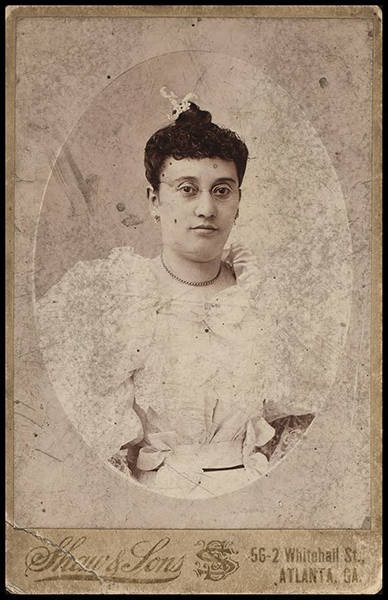
21. Shaw Brothers, Photographers. 82 Peachtree Street (then known as 56 Whitehall) · 1899
This photo gallery filled two whole floors of a building on the site that later held Rich's Department Store. It must have been a grand studio for Atlanta society portraits: the gallery was two stories tall, photographers worked here for decades, and the map shows a large north-facing skylight with soft, even light.
The rooftop still exists today. The brothers Henry and Joseph Shaw ran this studio from 1897 to 1900. In 1896 it was Shaw & Sons, made up of William, Henry and Joseph Shaw. The Atlanta History Center holds this Shaw & Sons portrait of educator India Pitts, about 1895.
22. Tidwell & Lively, Photographers. 50 Alabama Street (then known as 6 West Alabama) · 1911
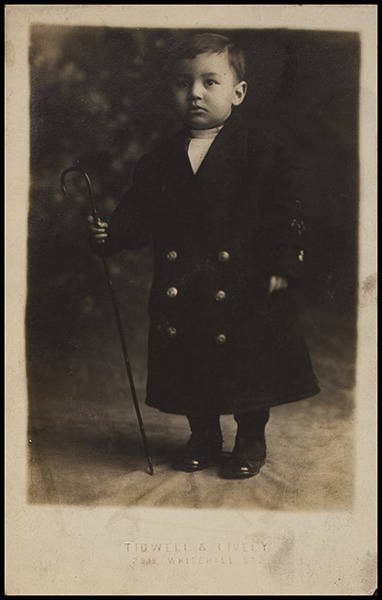
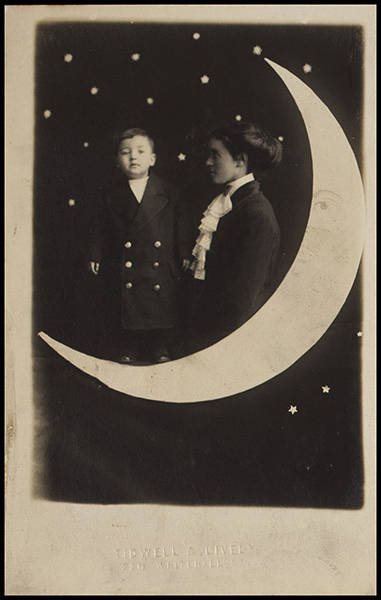
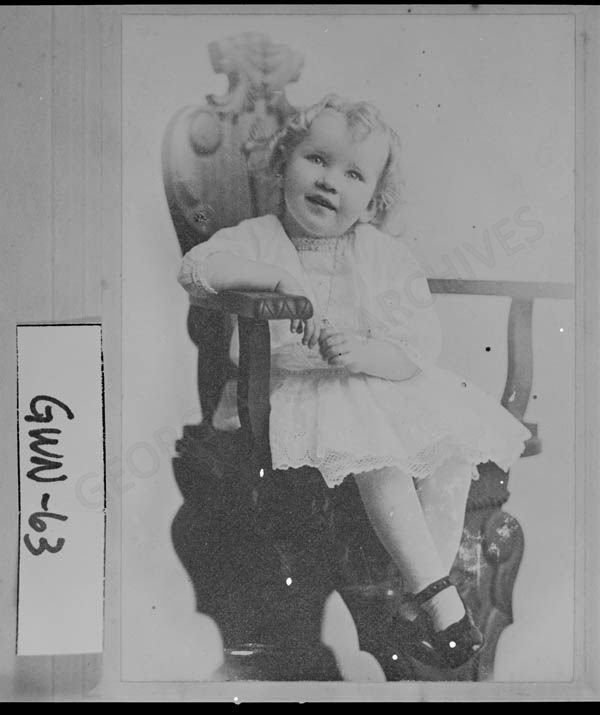
Tidwell & Lively worked in Atlanta's photo district: half of all Atlanta photographers, at least nineteen competing studios, operated on the same block south of Underground Atlanta, which South Downtown is now redeveloping.
Charles W. Tidwell and Ruth Lively ran this studio from 1911 to 1913. Tidwell was a photographer by 1908 and in 1916 managed Stephenson's Studio. The Georgia Archives holds their portrait of Evelyn Kent of Lilburn, about 1912.
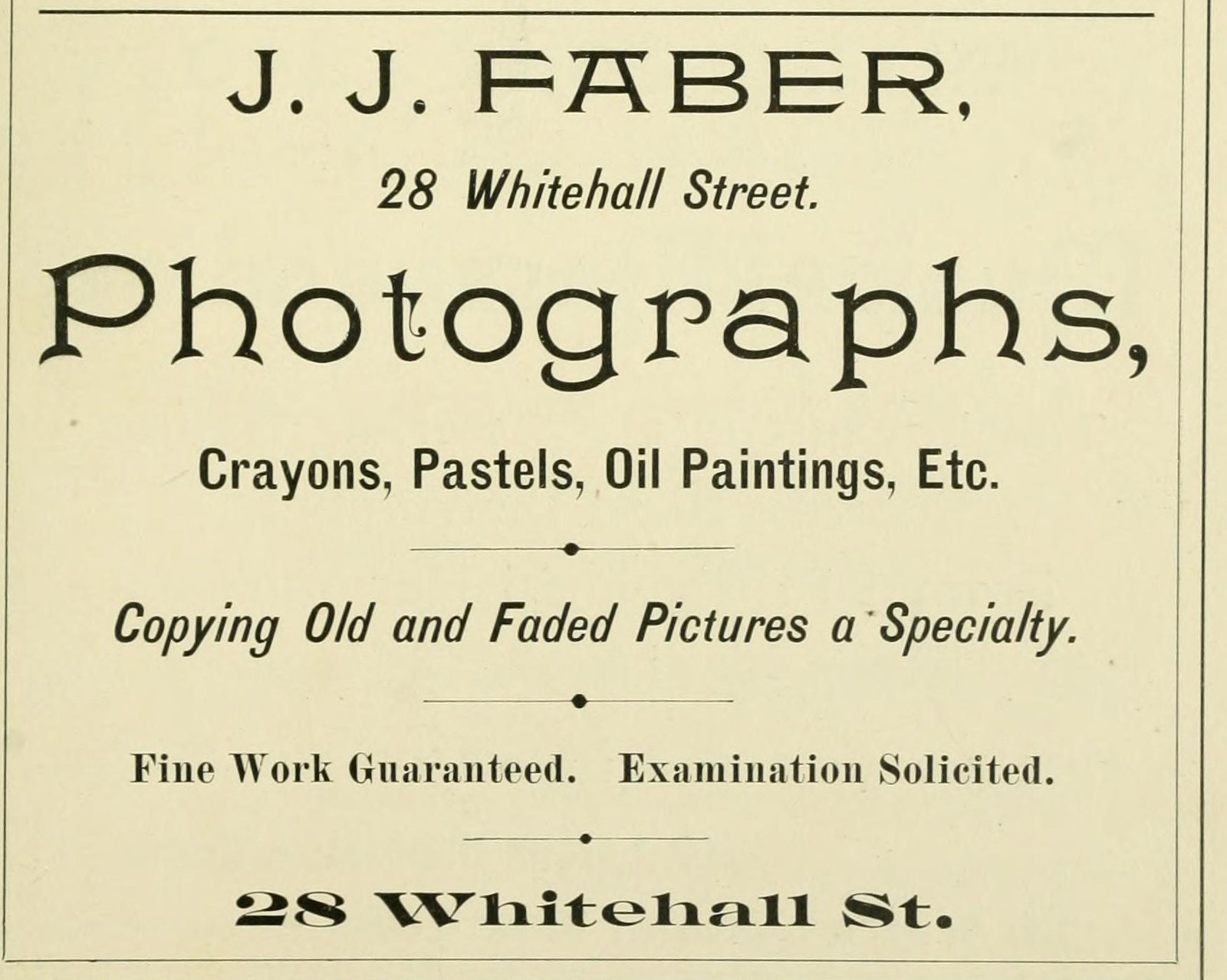
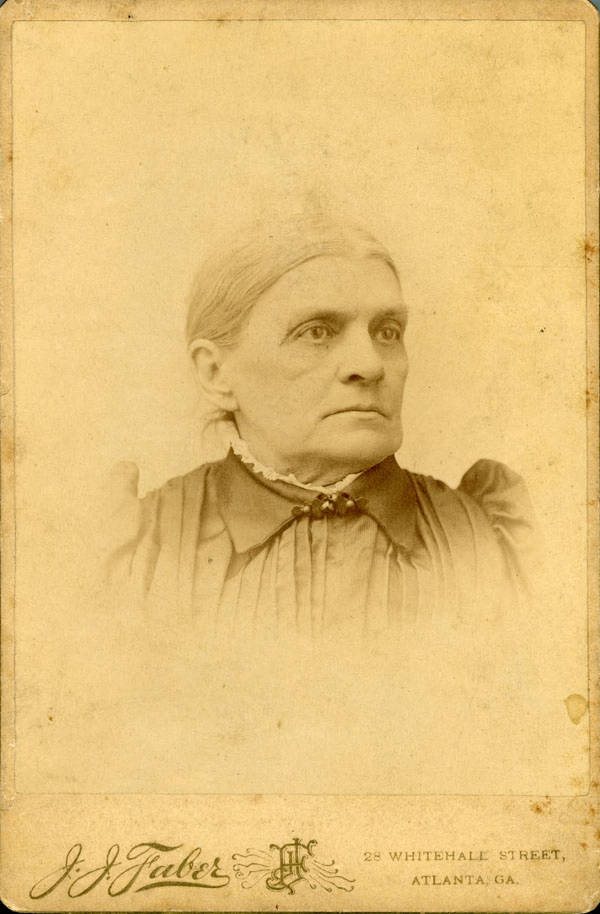
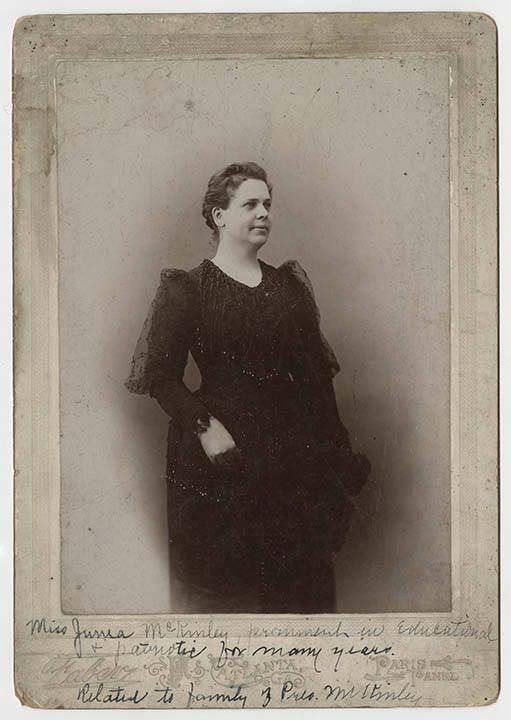
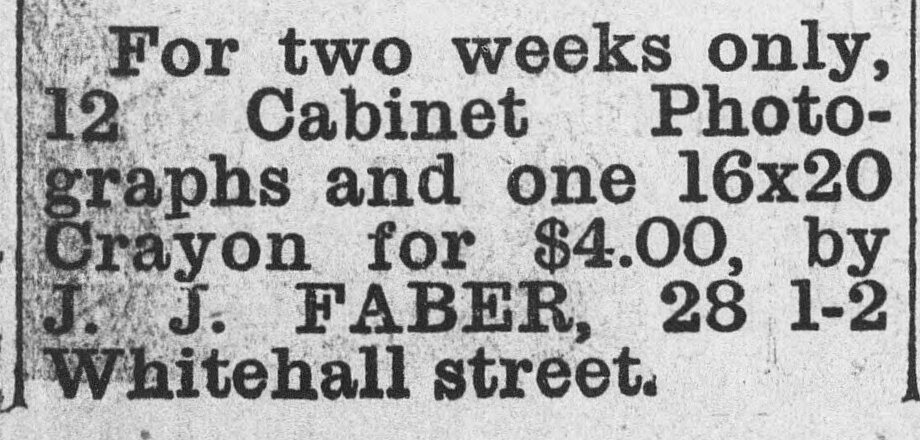
23. J. Jackson Faber, Photographer. 58 Peachtree Street (then known as 30 Whitehall) · 1892
This top-floor studio with a photographer's skylight stood beside today's Connally Hotel. J. Jackson Faber is listed as a photographer near Underground Atlanta from 1890 to 1893. His 1892 advertisement offered photographs, crayon, pastel and oil portraits, and copies of old and faded pictures.
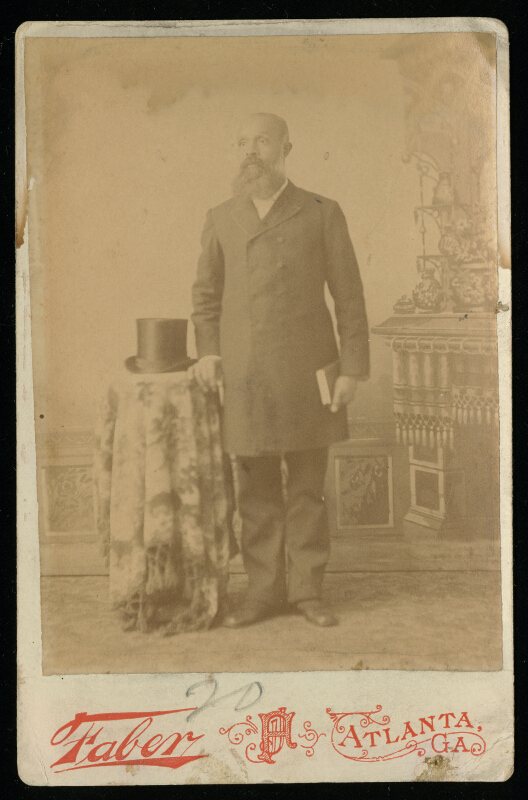
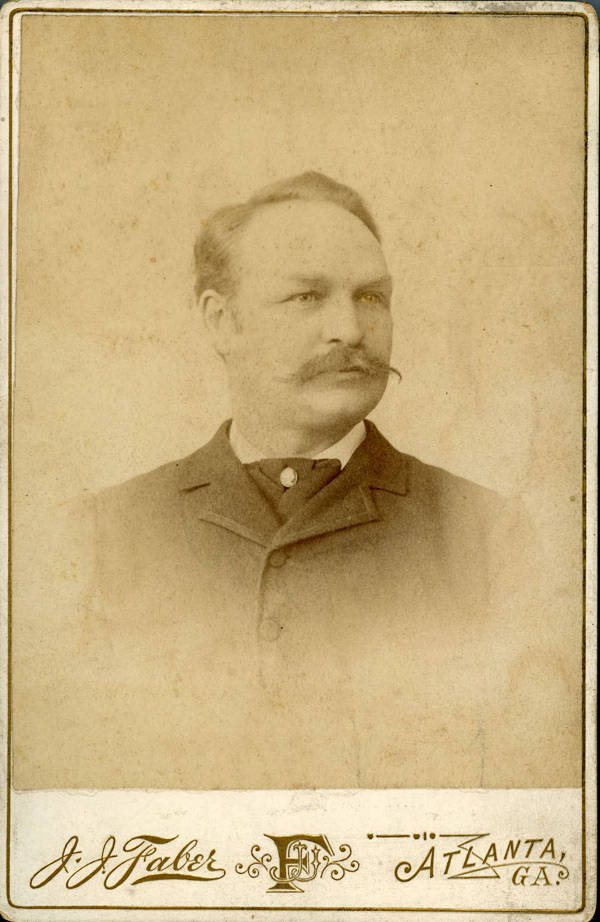
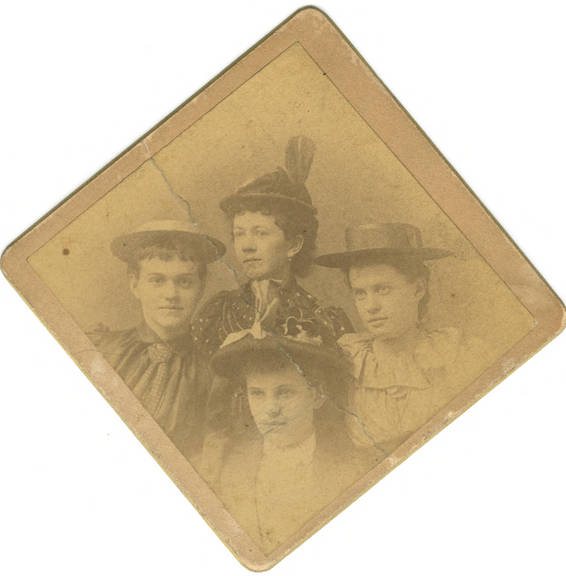
24. William M. Rantin, Daguerrean Artist. Whitehall Street, opposite Whitney & Hunt’s store · 1854 and 1855
William M. Rantin opened daguerreotype rooms in Atlanta in March 1854, on Whitehall Street directly opposite Whitney & Hunt's dry goods store. The block is not known, so this spot is a guess. His advertisement for “Premium Daguerreotypes” ran in the Atlanta Weekly Intelligencer into May 1855 and says he studied under McGuire and Harrington of New Orleans. He enlisted in the 42nd Georgia in March 1862, was wounded in June 1864 and died at the Academy Hospital in Marietta on June 24, 1864. Hunting & Gathering Blog
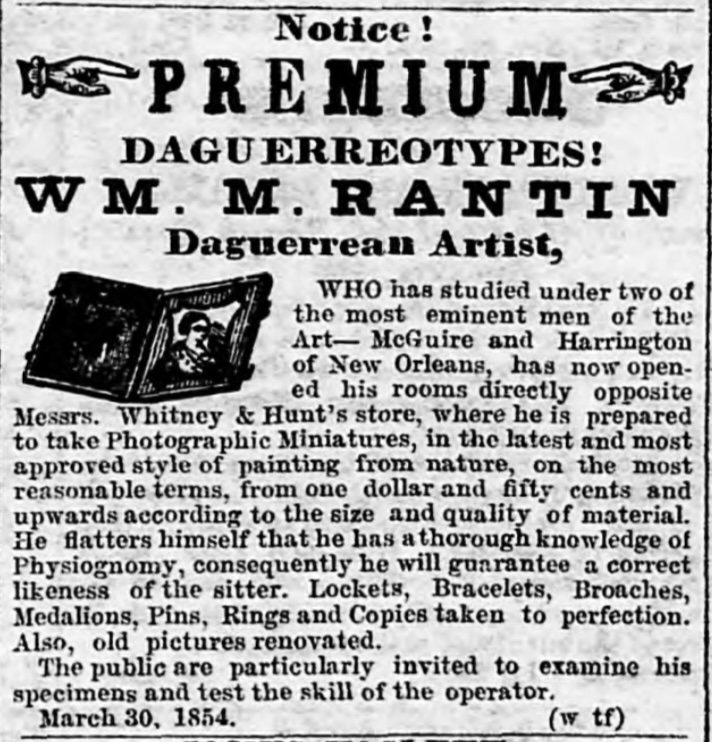
25. Moore & Stephenson, Photographers. 48 Alabama Street (then known as 15 East Alabama) · 1899
This second-floor photo gallery stood where Underground Atlanta is today. B. Frank Moore and William M. Stephenson formed their partnership in 1899, the year Columbus W. Motes sold his share of their Whitehall Street gallery to Moore. Atlanta History Center
26. Alexander W. McCandless, Photographer. 41 Decatur Street · 1892–circa 1906
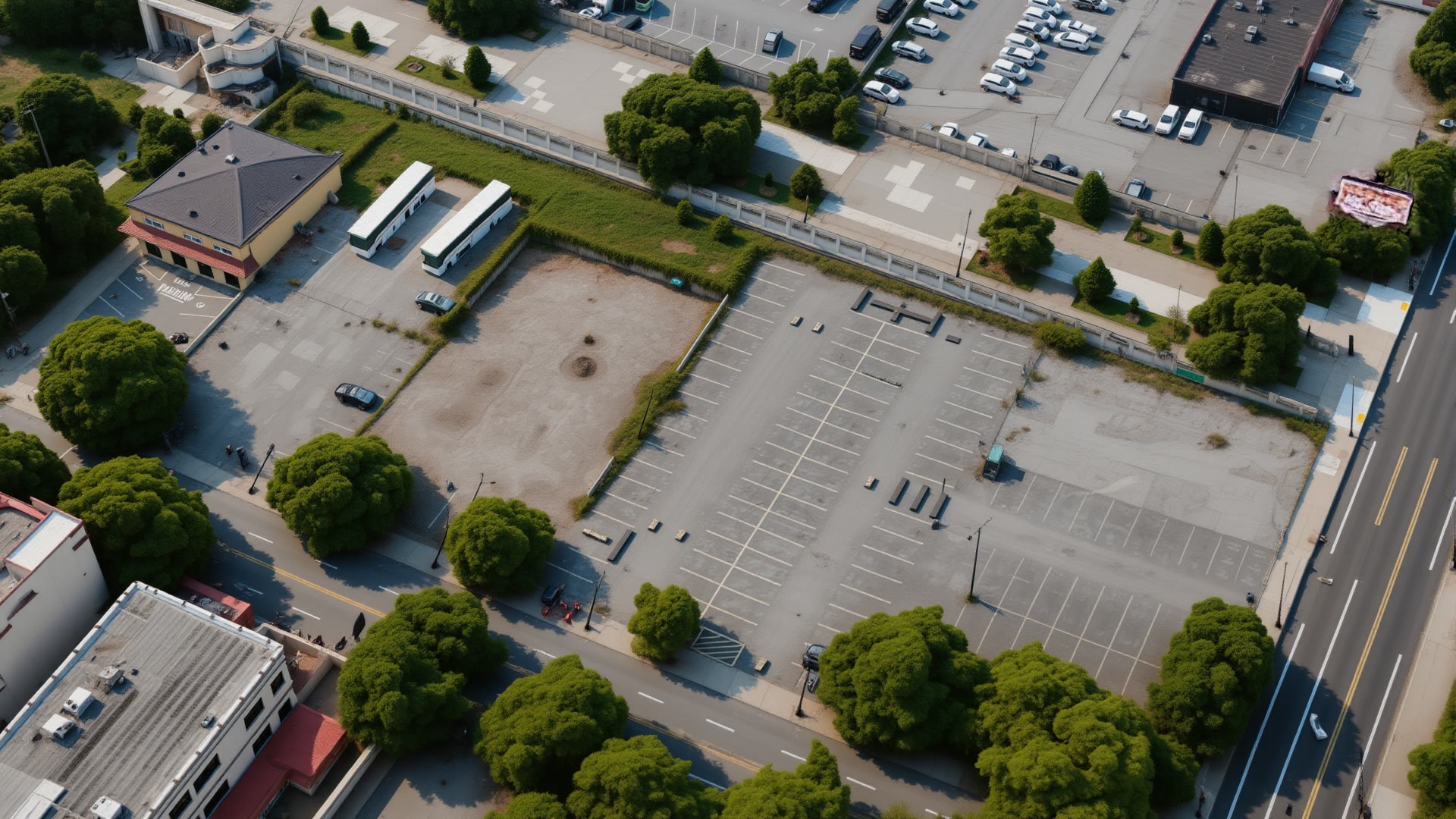
Alexander W. McCandless ran a tintype studio out of a canvas tent in the corner of a railroad coal yard. This parking lot was the site of the Zero Mile Post, the stone marker set in the 1850s at the southern end of the Georgia Railroad, the point Atlanta grew around.
Another similar tintype tent studio operated out of the roundhouse grounds of the Western & Atlantic Railroad to the north (where the Gulch is today), and I wonder if cheap tintype photographs might have catered to passengers on short train stops as souvenir stands.
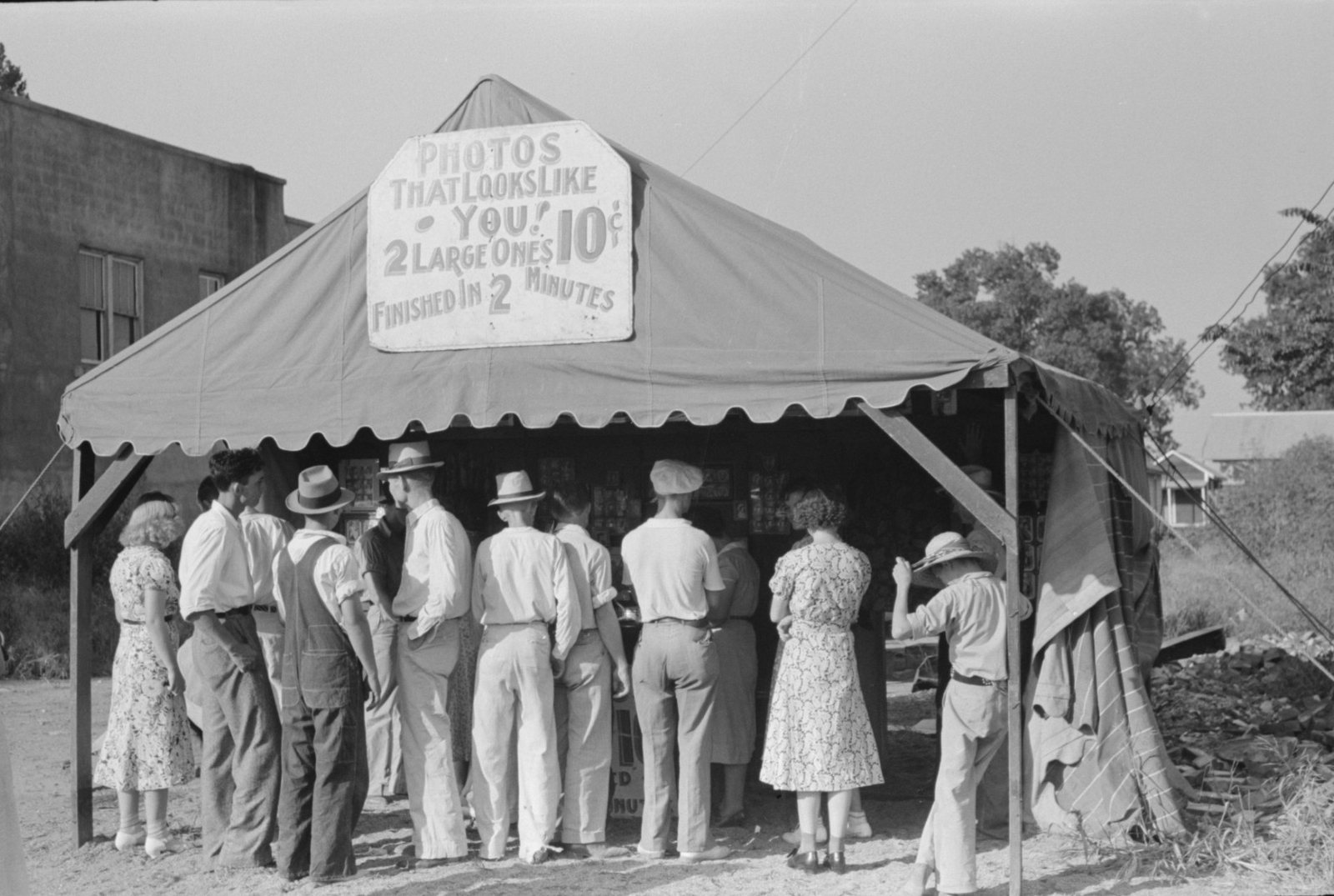
27. James and Joseph Van Stavoren. 91 Decatur Street (then known as 111 Decatur) · 1892
The Van Stavorens, father and son, shared a canvas tent in a back lot with a street magician, where the Georgia State University Sports Arena stands today. The map calls it "Photo & Fakir's Shed". Perhaps the father, known to have photographed during the Civil War in Nashville, was the photographer and his son earned extra coins as a magician.
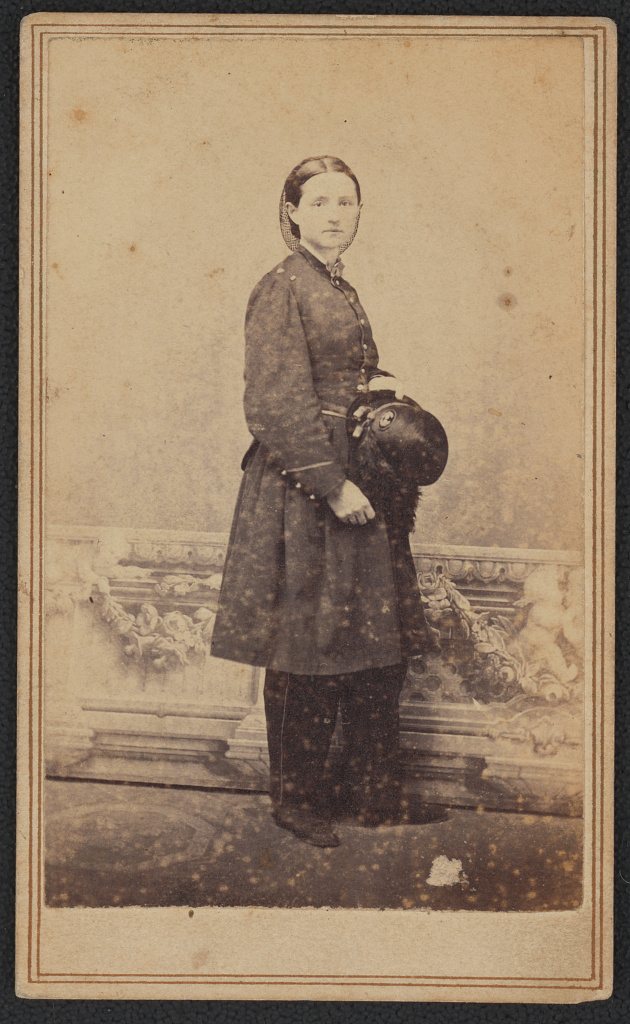
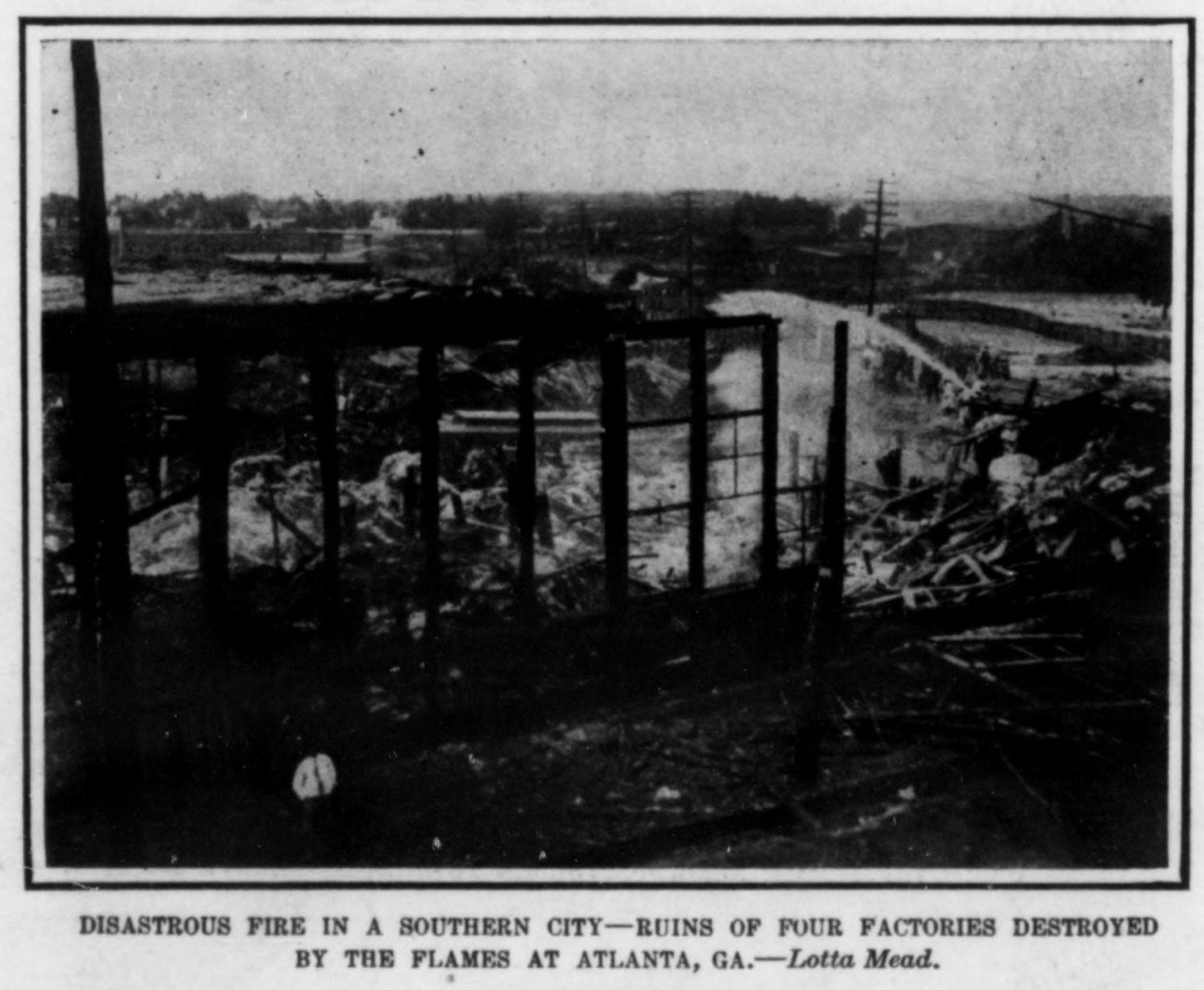
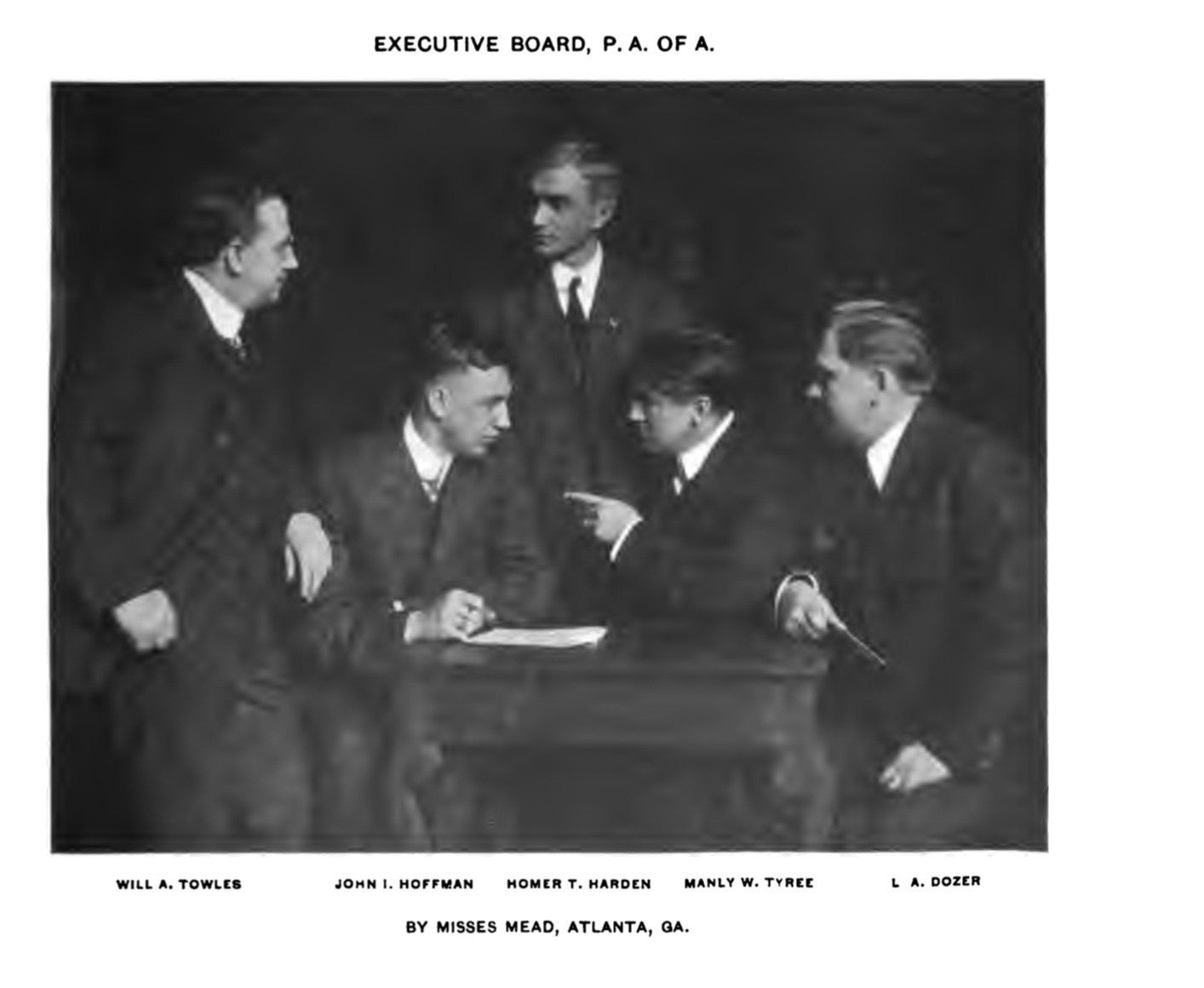
30. Adelaide and Lotta Mead, Photographers. 174 Peachtree Street (then known as 170 Peachtree) · 1911
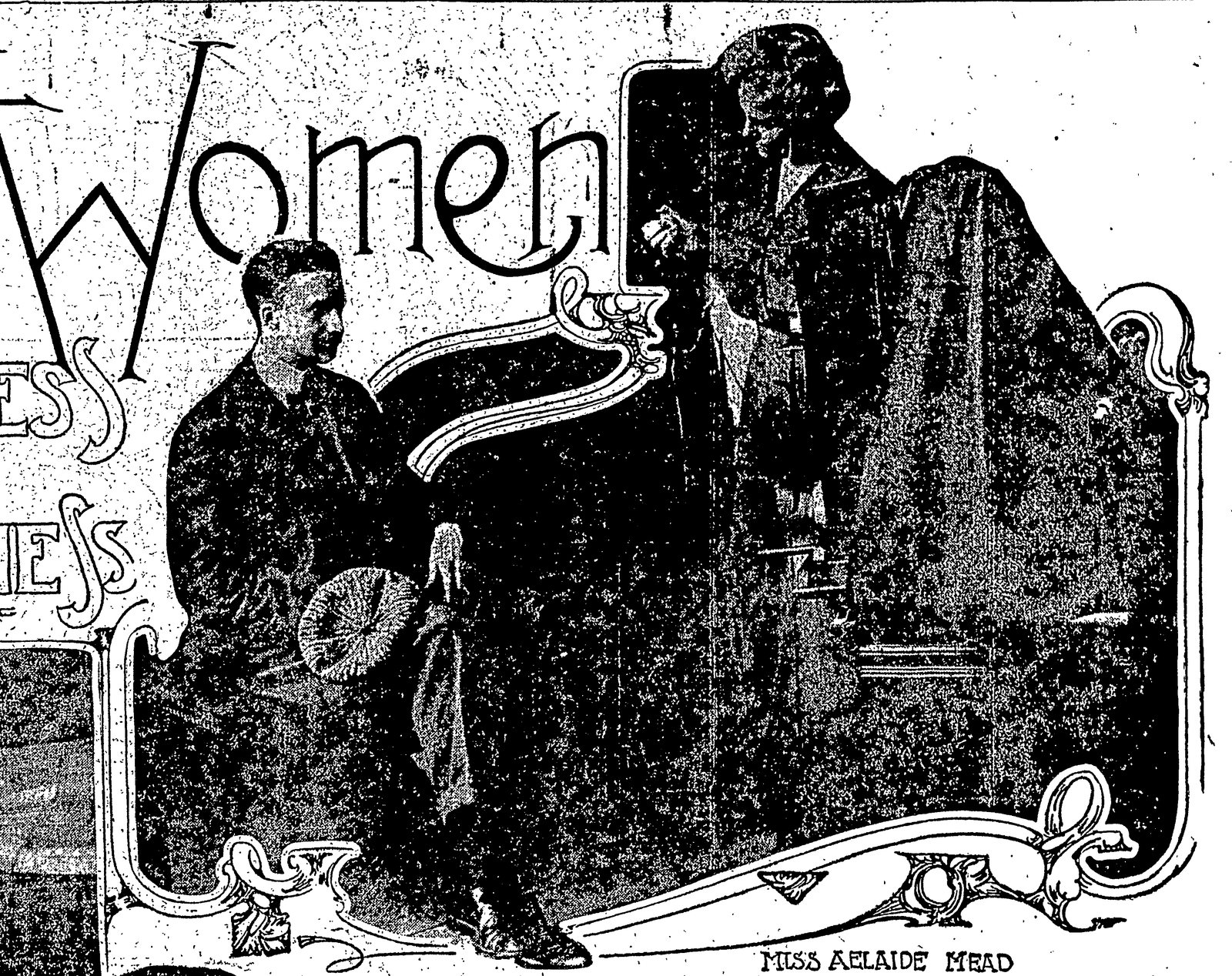
Lotta W. Mead, 1873–1950 · Adelaide C. Mead, 1862–1946 This second-floor photo gallery was drawn on the 1911 map two years before its site became the Winecoff Hotel, which burned in 1946 in the deadliest hotel fire in American history. The sisters Adelaide and Lotta Mead, born in New York and Virginia, were in Atlanta by 1895 and ranked among its leading photographers for some 40 years, with children their specialty.
The Meads lost their studio at 36 Whitehall to a fire in May 1901, and from 1915 they worked from home as "The Misses Mead Home Portraiture". In 1915 the Photographers' Association of America hung one of their pictures in its salon of honor, one of 20 chosen. Hunting & Gathering Blog
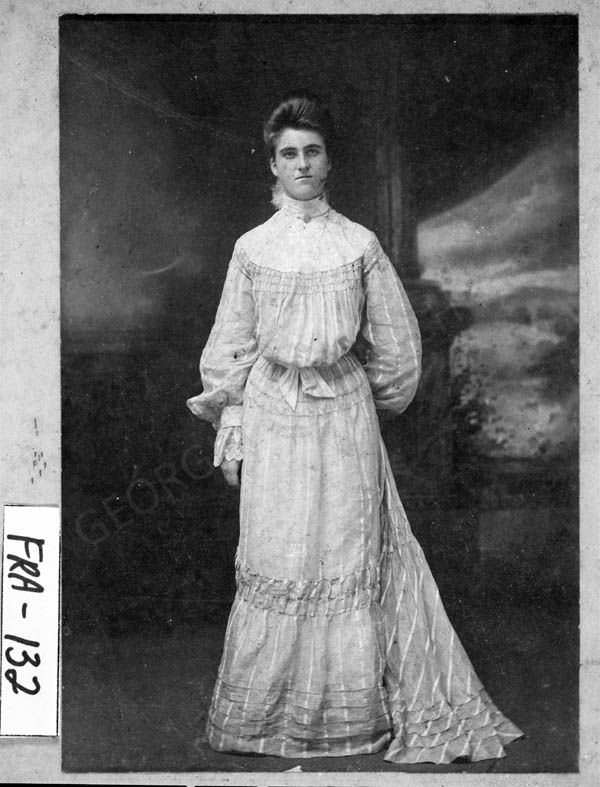
31. Randall Photo Gallery. 8 Auburn Avenue (then known as 2 Auburn Avenue) · 1899
Mrs. J. C. Randall's photo studio once stood where Woodruff Park is today, across from the Flatiron Building. The map shows that Mrs. Randall had installed a skylight, the only way to take a natural light portrait in the days before electrical light.
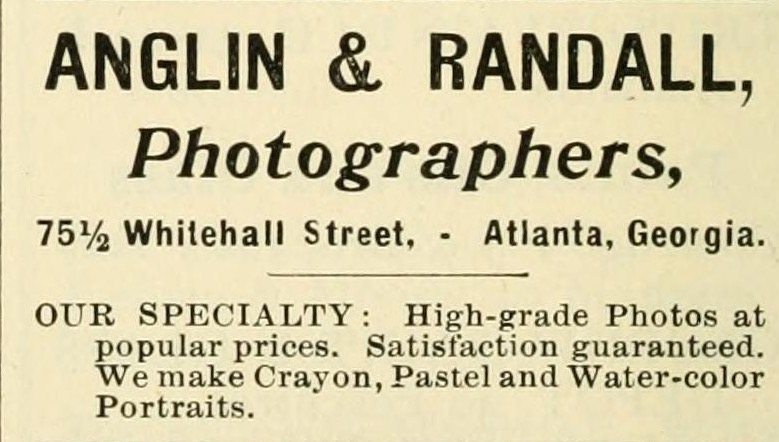
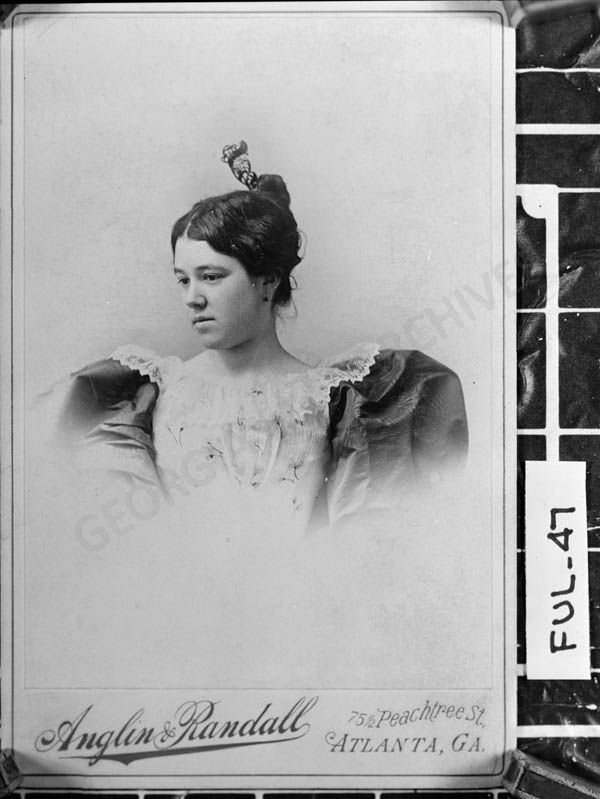
The 1899 and 1900 directories list the Randall Gallery in the name of Mrs. Julia C. Randall, with her husband, Charles E. Randall, as its photographer. He had earlier been a partner in Anglin & Randall, which offered crayon, pastel and watercolor portraits.
32. Charles F. McDannell Studio. 84 Luckie Street (then known as 24 Luckie) · 1911
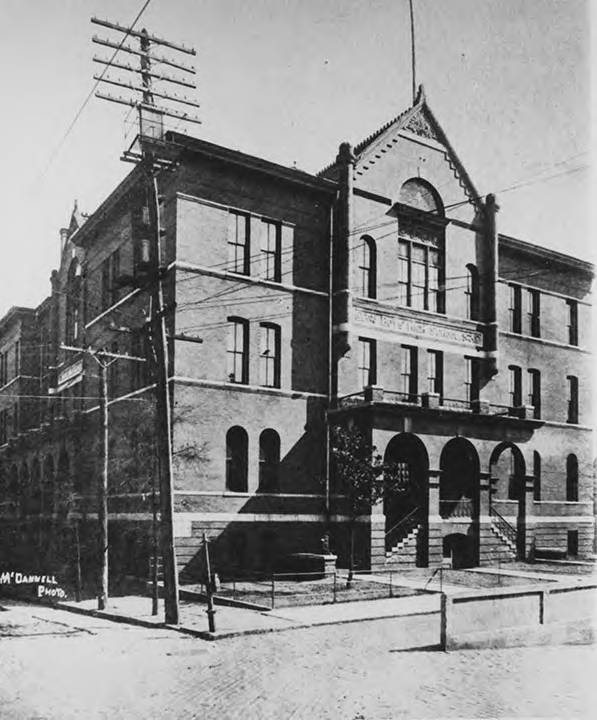
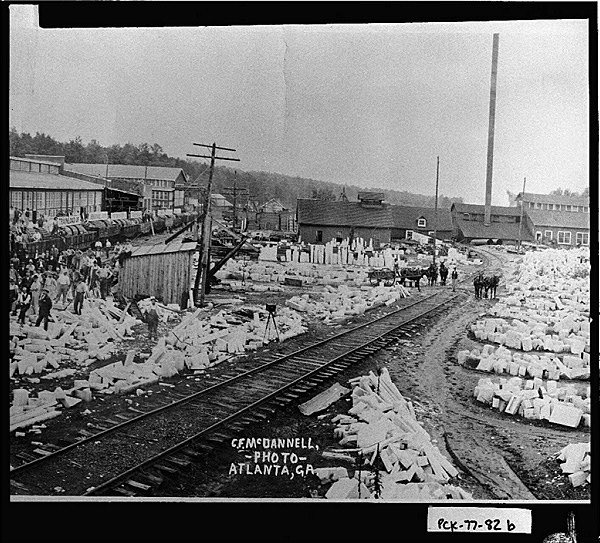
About 1867–1916 This one-story photographer's building stood where Theatrical Outfit makes its home today. Charles F. McDannell photographed in Atlanta from about 1899 to at least 1915, moving among several downtown addresses. He made commercial and group pictures, including Settlement Home kindergarten scenes about 1905 and this panorama of Carrollton, Georgia.
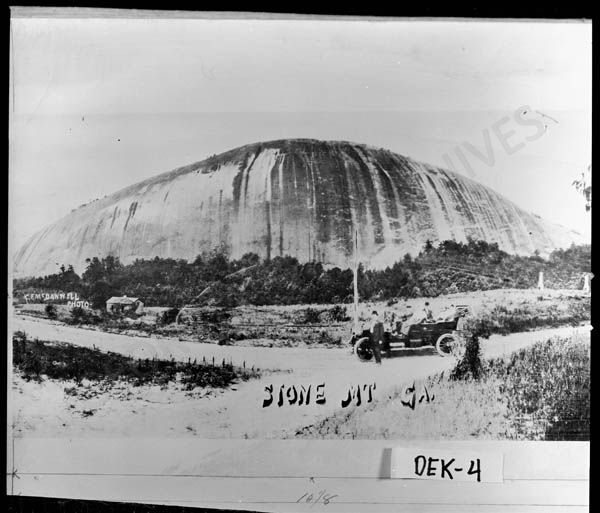
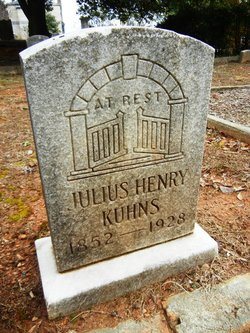
34. Julius and Louise Kuhns. 252 Marietta Street (then known as 248 Marietta) · 1899
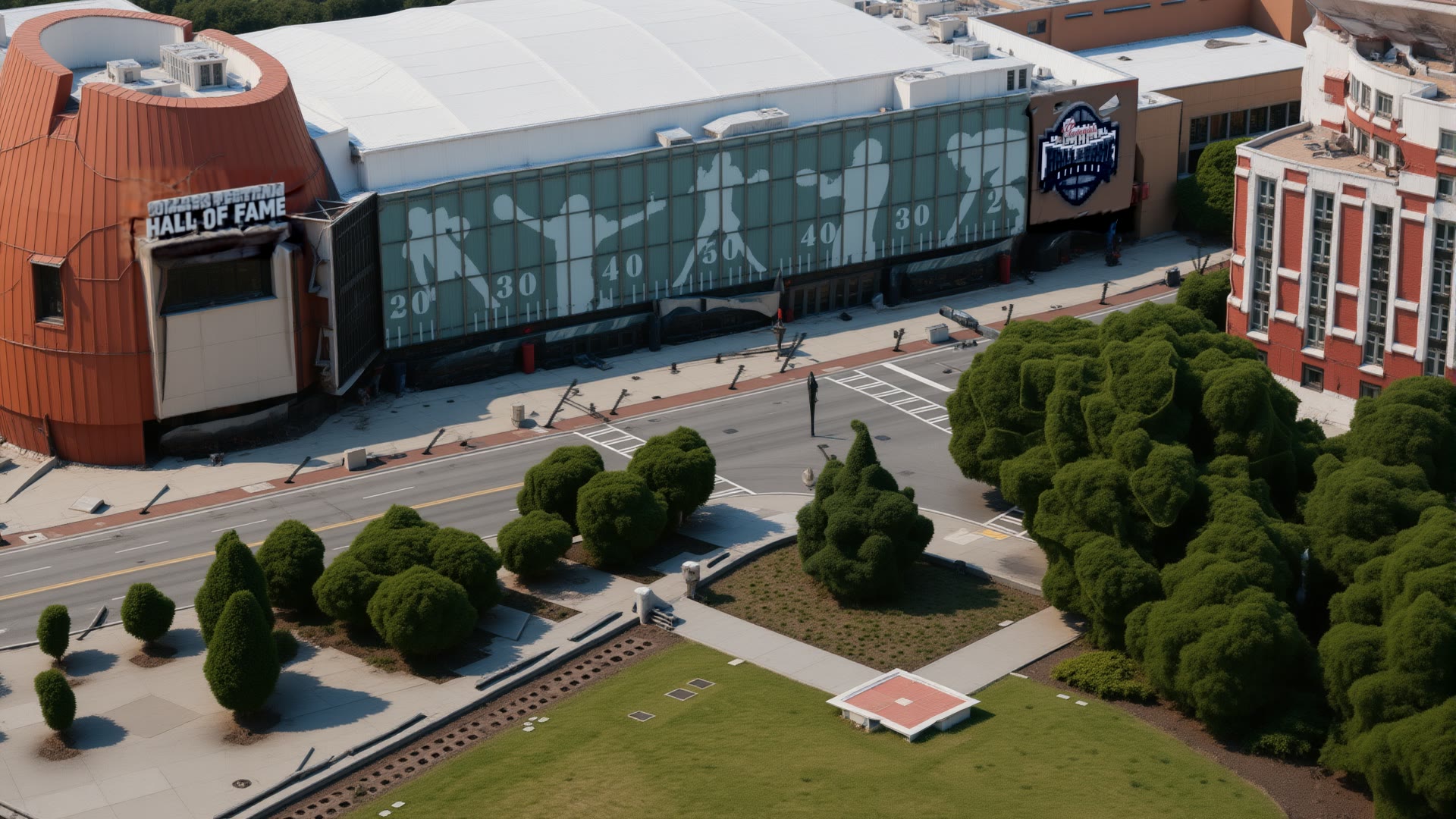
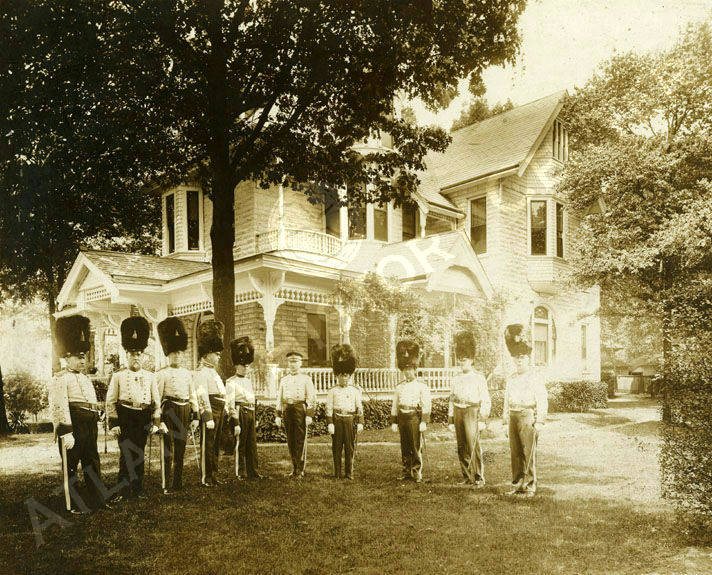
1852–1928 This second-floor studio stood where the College Football Hall of Fame is today, on Centennial Park. Julius Henry Kuhns, son of photographer William A. Kuhns, ran a tent gallery in Newnan in 1875 and in 1889 photographed all of Atlanta from the Capitol dome.
Julius kept this studio, over the family's rented home, from 1899 to 1913, and the 1910 census lists his wife, Louise, as a photographer. He died in 1928 and is buried at Oakland Cemetery. Hunting & Gathering Blog
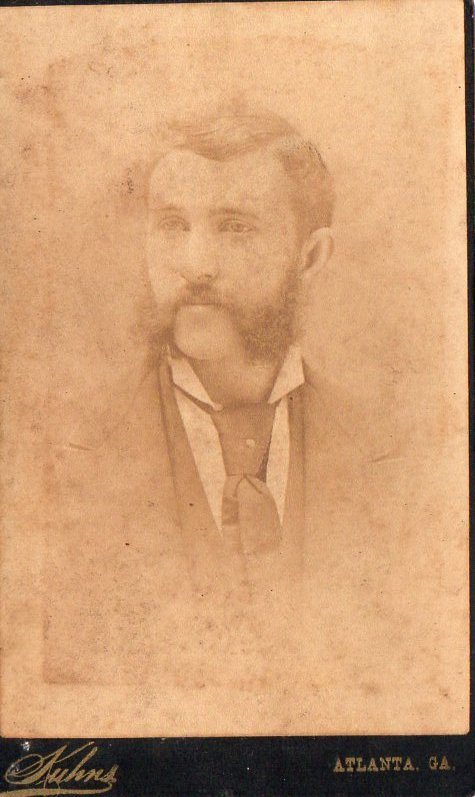
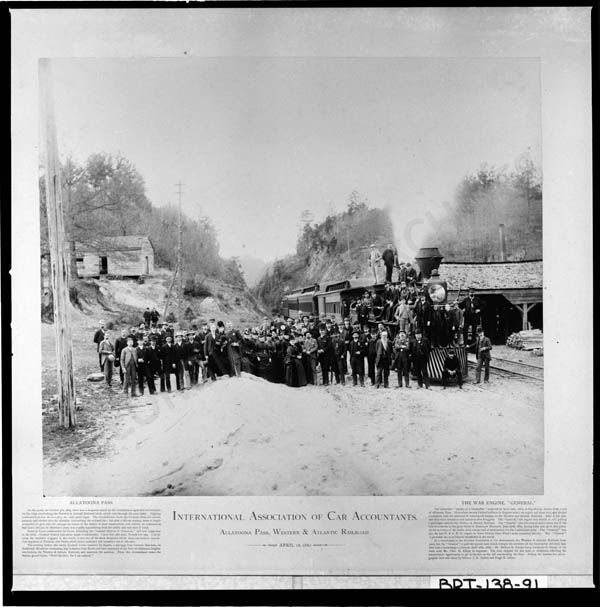
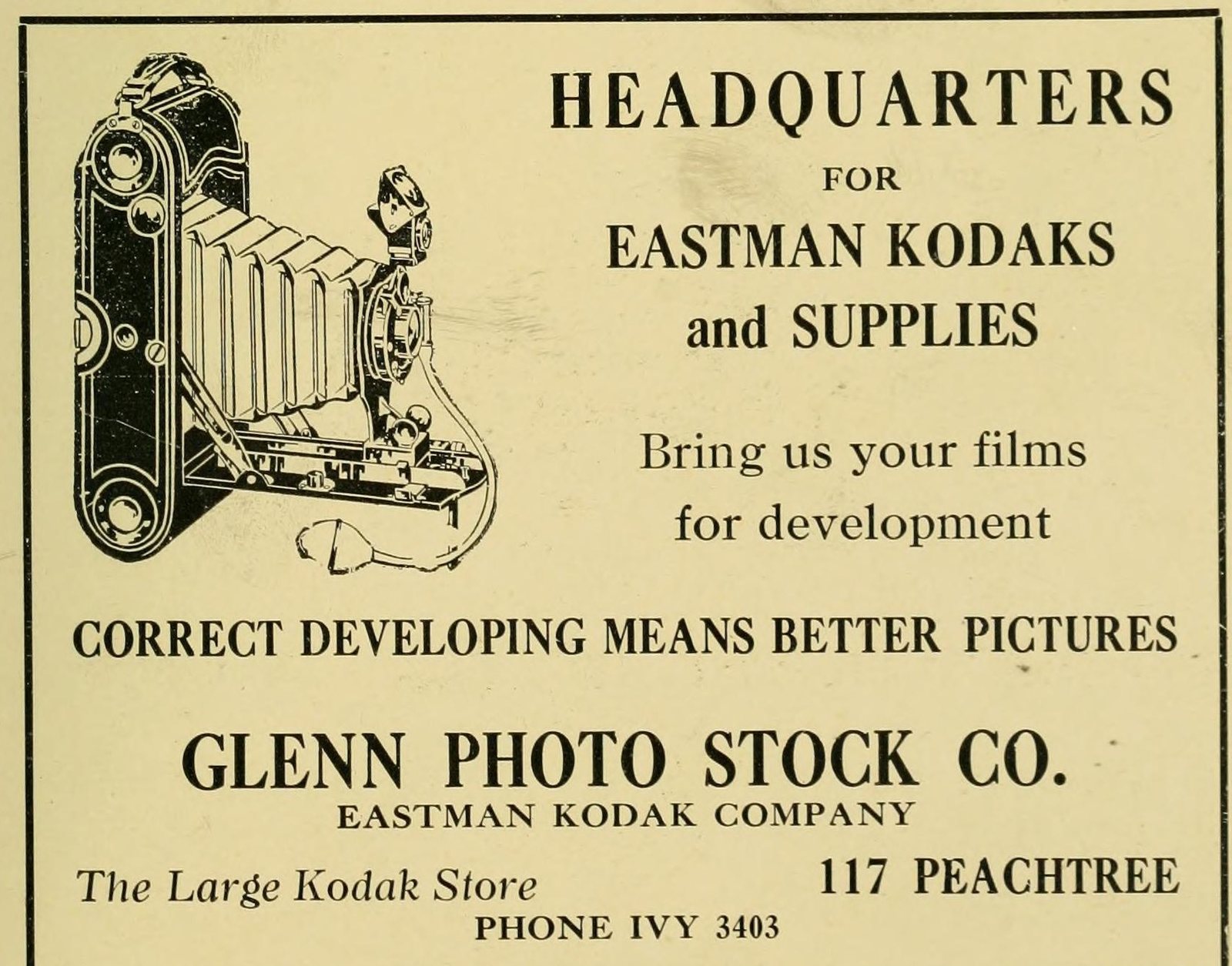
35. Eastman Kodak Co. 181 Peachtree Street · 1929
Eastman Kodak's Atlanta store of the 1920s once stood where the Ritz-Carlton downtown is today. On January 1, 1910, Eastman Kodak bought the Glenn Photo Stock Co., an Atlanta supply house founded in 1886, and kept it as its Atlanta store. W. Frank Luckiesh managed the store from 1912 until April 1, 1948.
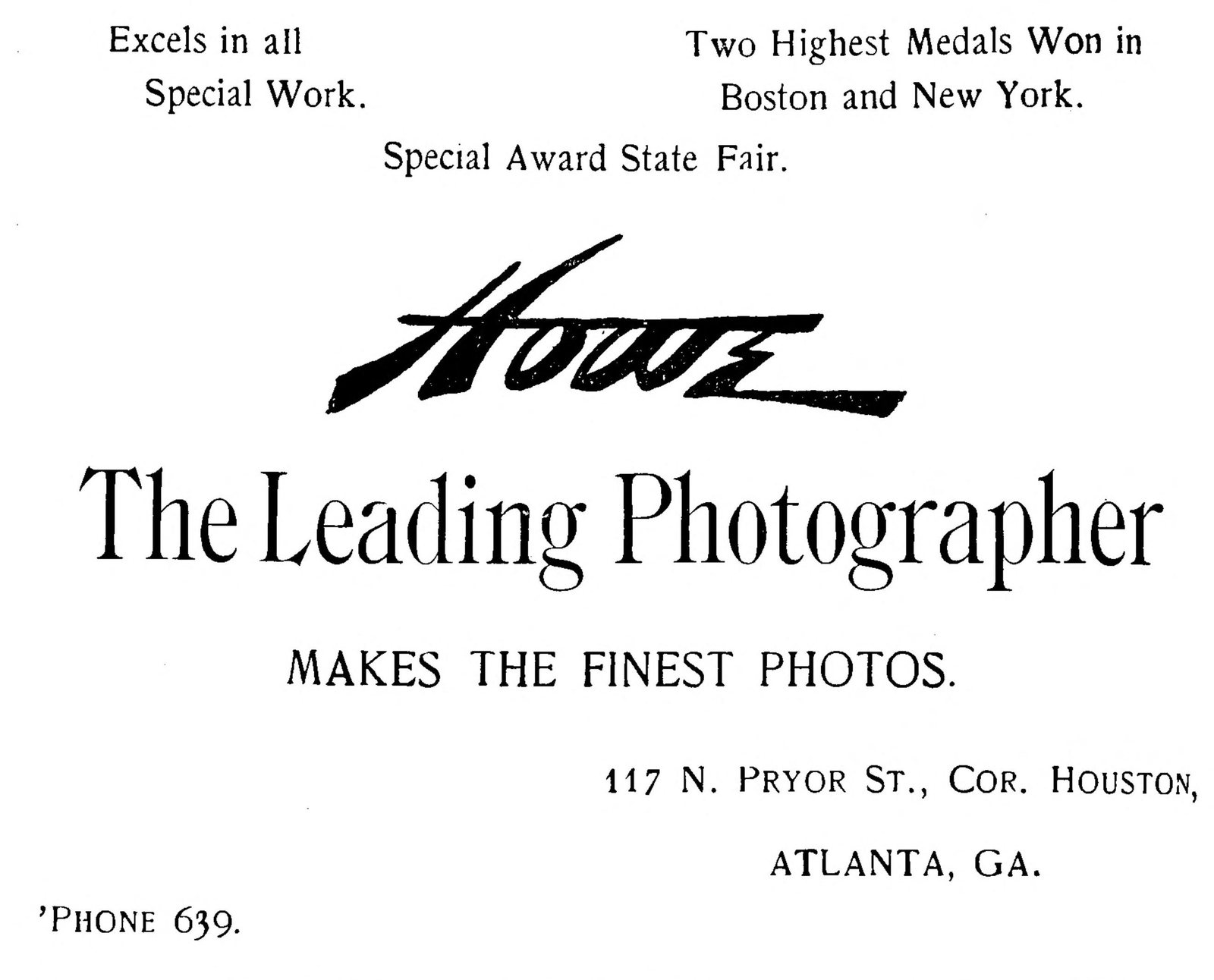
36. Frederick L. Howe, Photographer. 89 Park Place (then known as 117 North Pryor) · 1899
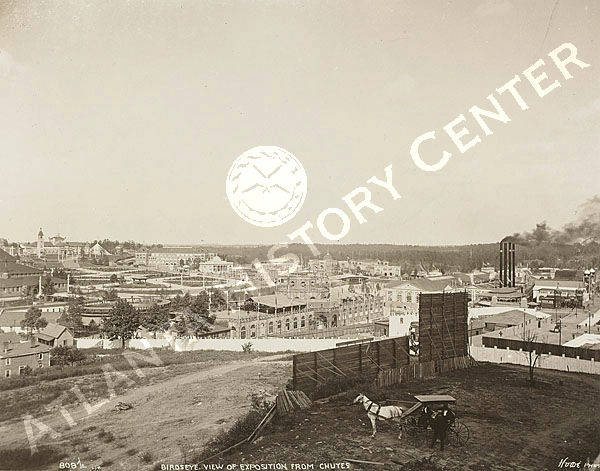
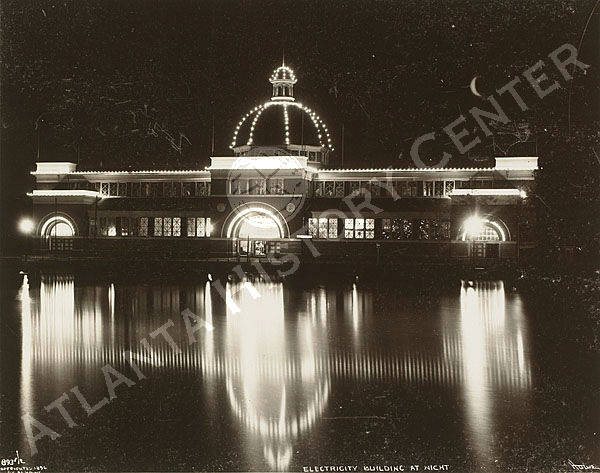
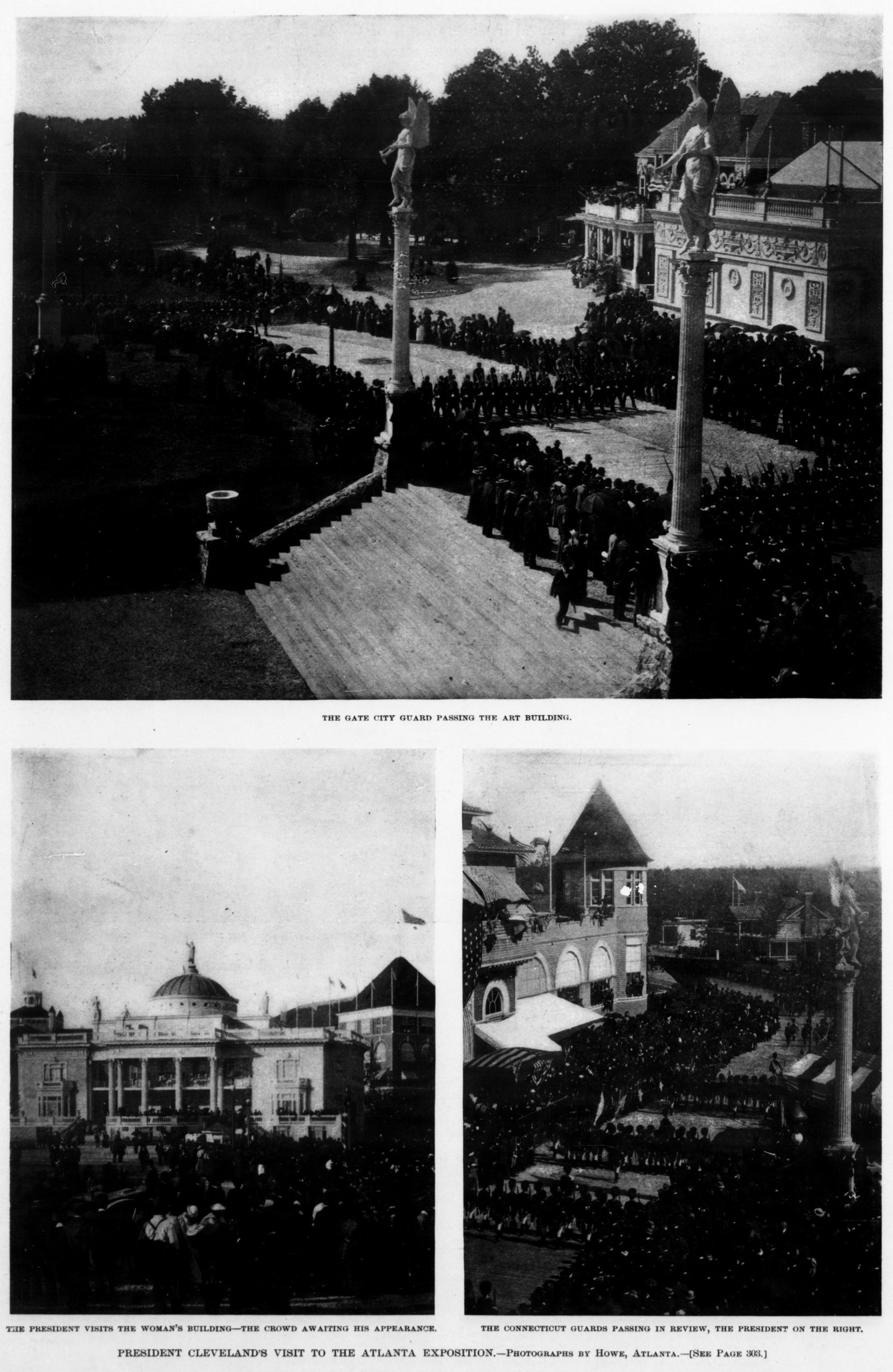
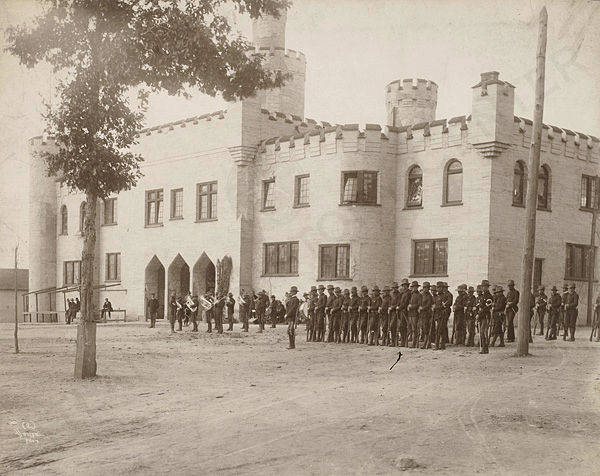
1857–1903 Frederick L. Howe's top-floor studio, with its photographer's skylight, once stood where the Georgia State University law school is today. The skylight let him take portraits by natural light in the days before electric light. He worked in Atlanta from 1895, taking portraits, photographing for furniture and advertising firms, and supplying pictures to the Atlanta Constitution.
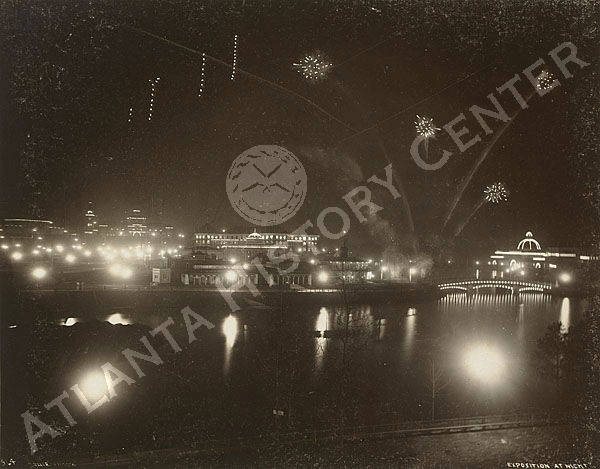
Howe's album of 87 photographs of the 1895 Cotton States and International Exposition is at the Atlanta History Center. A. S. Williams, an African American photographer, worked for him from at least 1901 and stayed on when the business became the Howe Photo Co. in 1905. Atlanta History Center
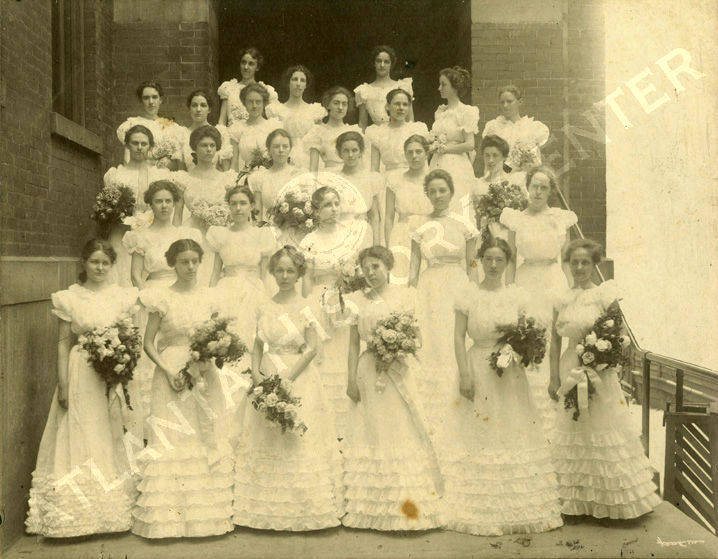
37. Glenn Photo Stock Co. 115 Peachtree Street · 1911
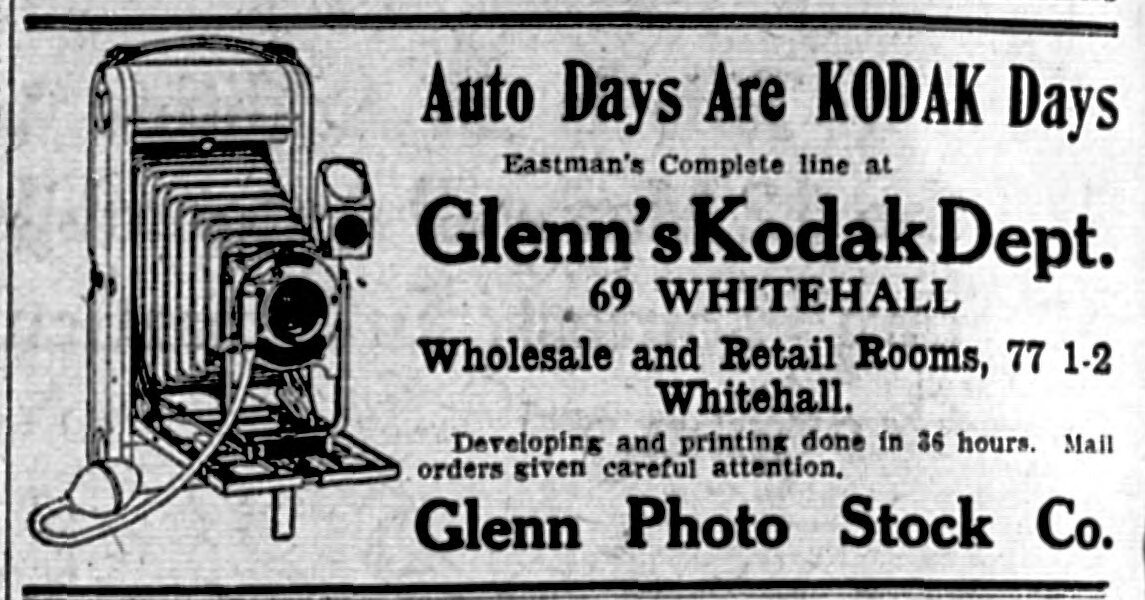
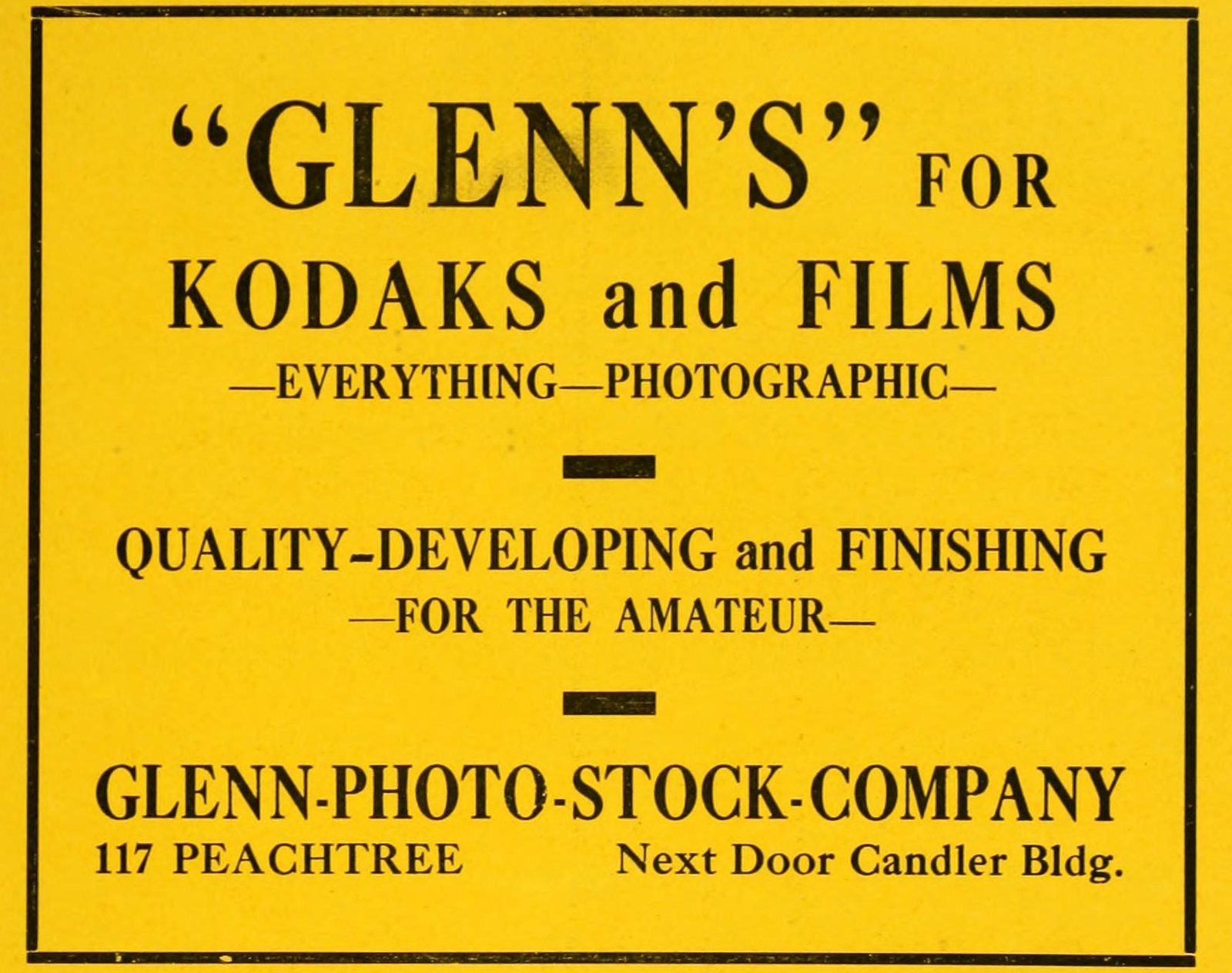
This photographic supply store was on the second floor of the Candler Building, which still stands. John R. Glenn and his sister Carrie Glenn, 1857 to 1922, opened this photographic supply house in 1886.
Glenn Photo Stock Co. sold Kodak cameras and film, developed amateurs' pictures, and in 1921 displayed 67 of the 115 prize cameras in an Atlanta Constitution contest. Eastman Kodak bought it on January 1, 1910, the year John Glenn left Atlanta.
39. John W. Goodman, Photographer. 65 Decatur Street (then known as 57 Decatur) · 1899
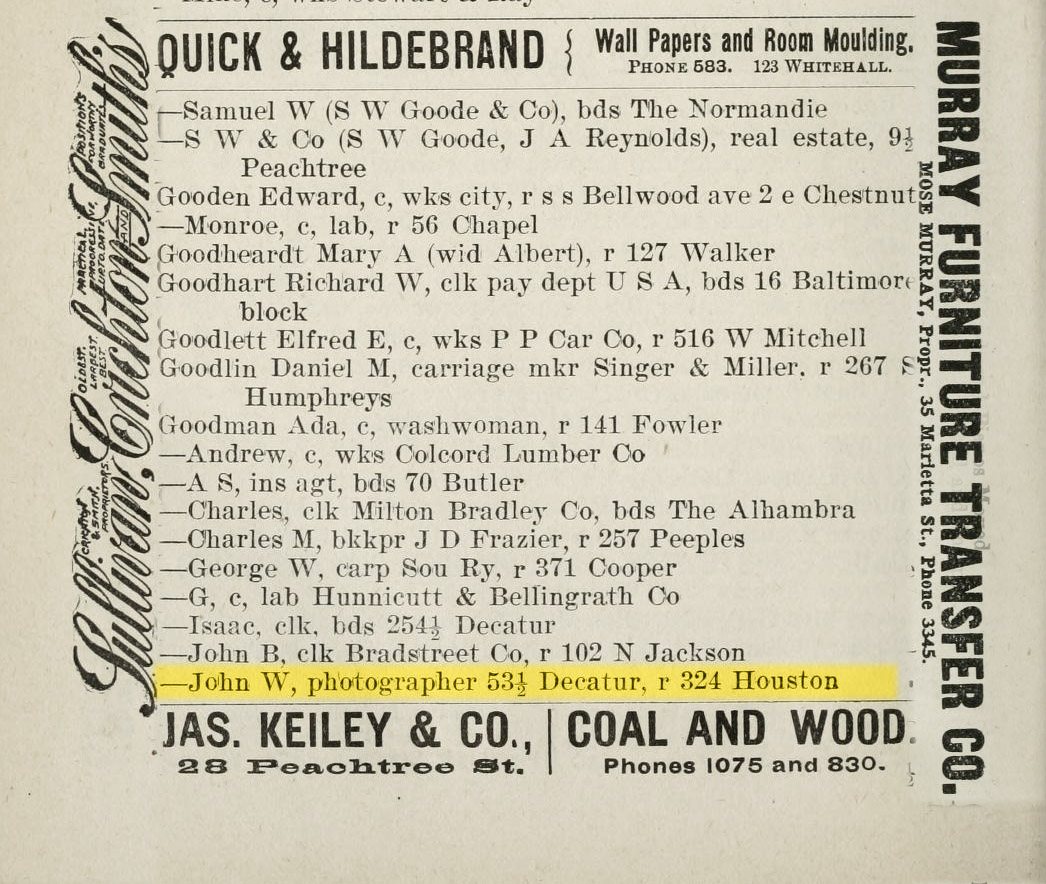
This third-floor photo gallery over a restaurant once stood at the Zero Mile Post, the founding spot of the city. Now it's a parking deck, of course. A photographer named John W. Goodman appears at this address in the Atlanta City Directory for just one year, in 1899. There was a lot of competition back then and profit margins must have been slim.
41. Edwards & Son, Photographers. 191 Peachtree Street (then known as 155 Whitehall) · 1911
Jay D. Edwards, 1831–1900 · William M. Edwards, born 1864 This top-floor studio with a photographer's skylight stood on ground that is now outside the Fulton County Government building. Between 1858 and 1861 Jay Dearborn Edwards photographed the streets of New Orleans on salted paper, pictures now thought to be the oldest of their kind made there, and his 1861 views at Pensacola are among the first Confederate field photographs.
Edwards opened an Atlanta studio in 1886, briefly with his son-in-law Louis K. Dorman, then with his son William as Edwards & Son, making landscape, commercial and studio pictures. Jay died in 1900 and lies in Oakland Cemetery; Edwards & Son was last listed in 1922.
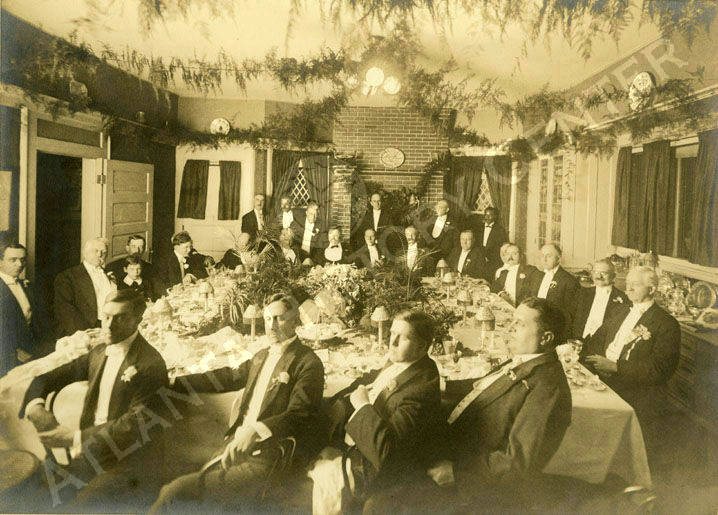
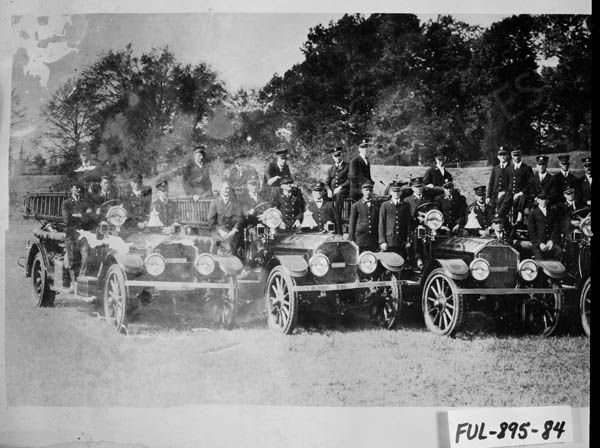
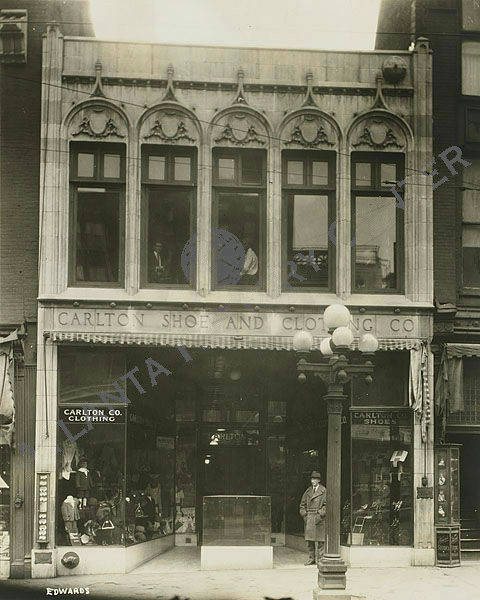
42. Edwards & Son, Photographers. 104 Mitchell Street (then known as 47 East Mitchell) · 1899
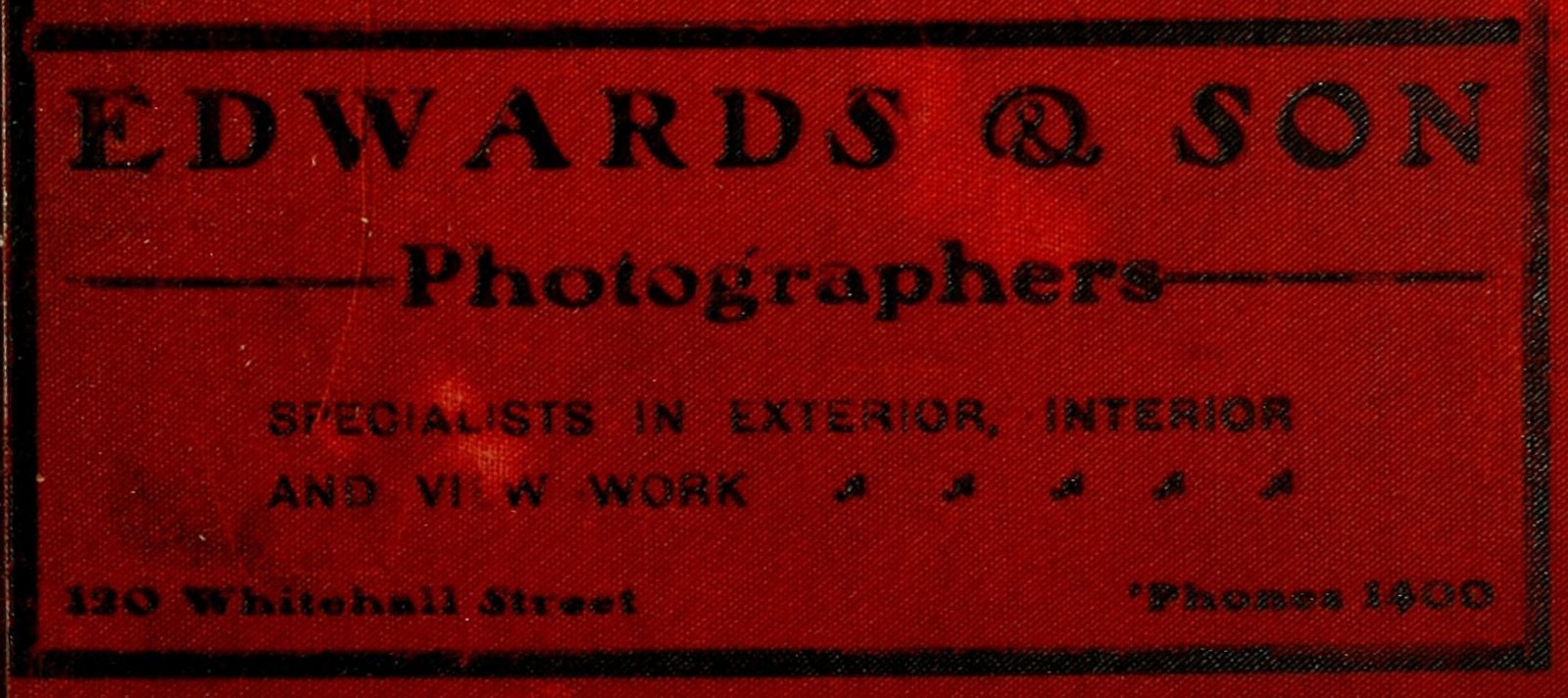
Jay D. Edwards, 1831–1900 · William M. Edwards, born 1864 This top-floor studio with a photographer's skylight stood where a courtyard outside Atlanta City Hall is today. Between 1858 and 1861 Jay Dearborn Edwards photographed the streets of New Orleans on salted paper, pictures now thought to be the oldest of their kind made there, and his 1861 views at Pensacola are among the first Confederate field photographs.
Jay died in 1900 and lies in Oakland Cemetery; Edwards & Son closed their doors around 1922.
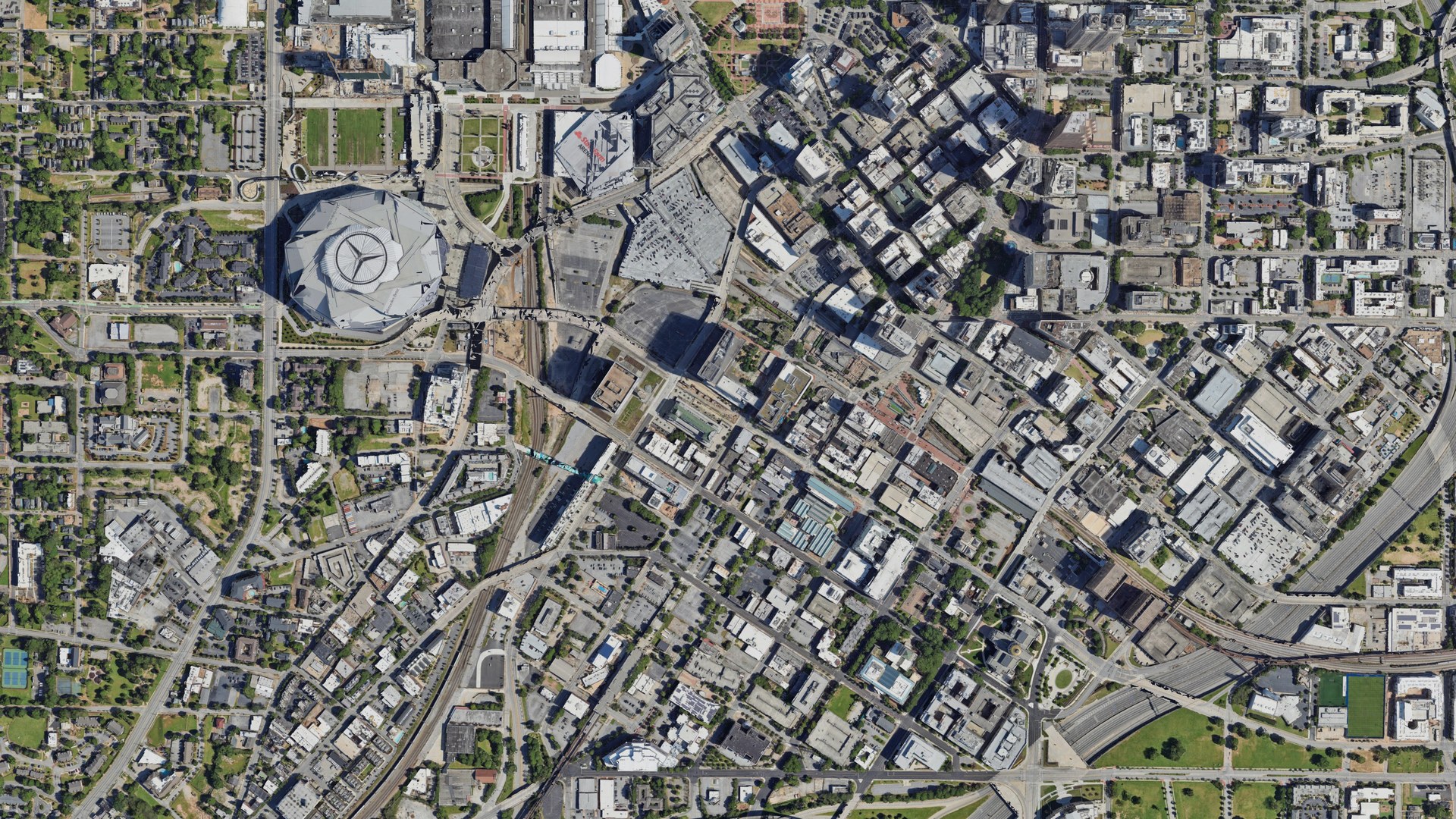
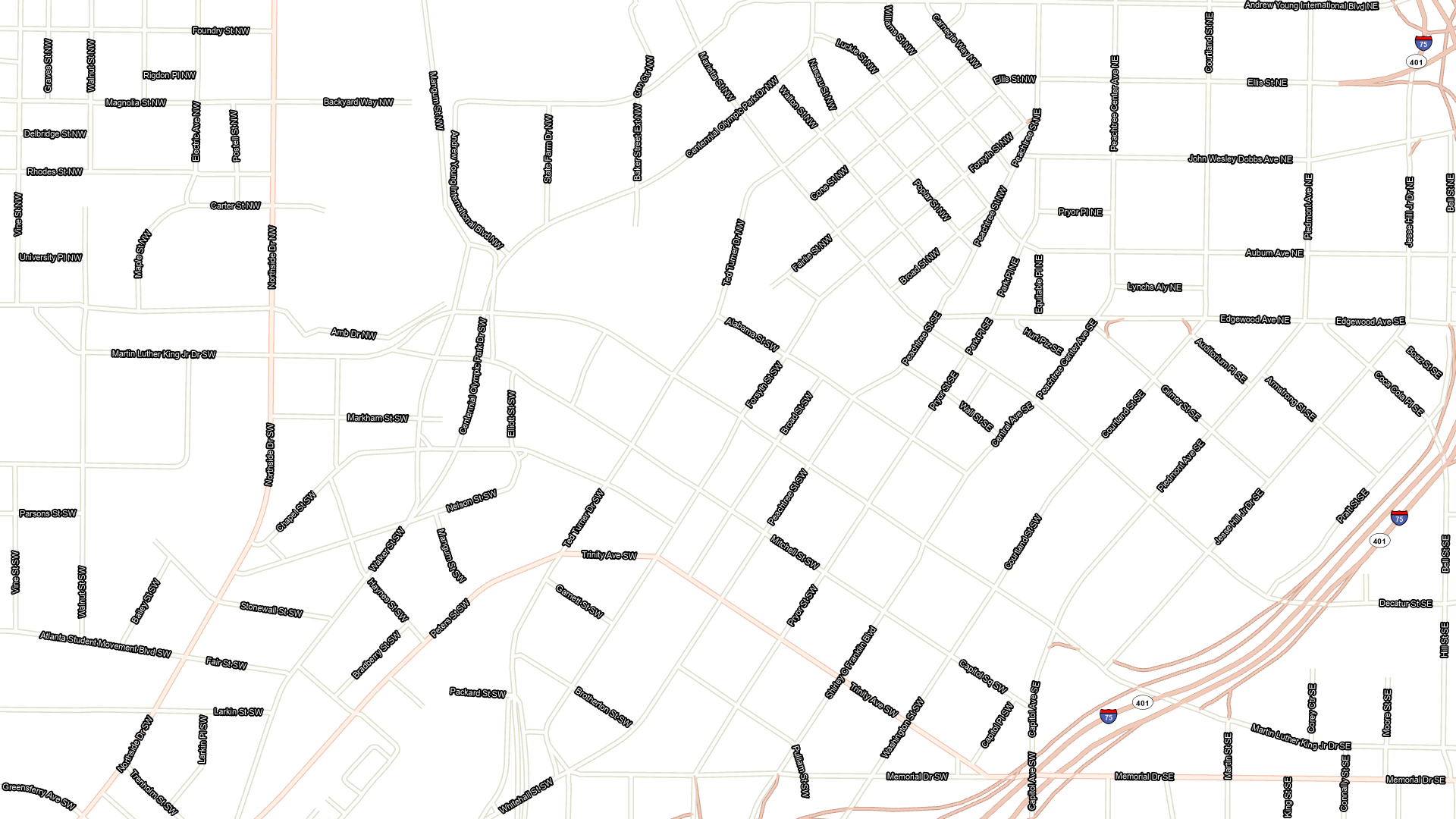
Street names on the opening map: Fulton County GIS